

A Tale of Protest, Persecution, and the Fight for Free Speech
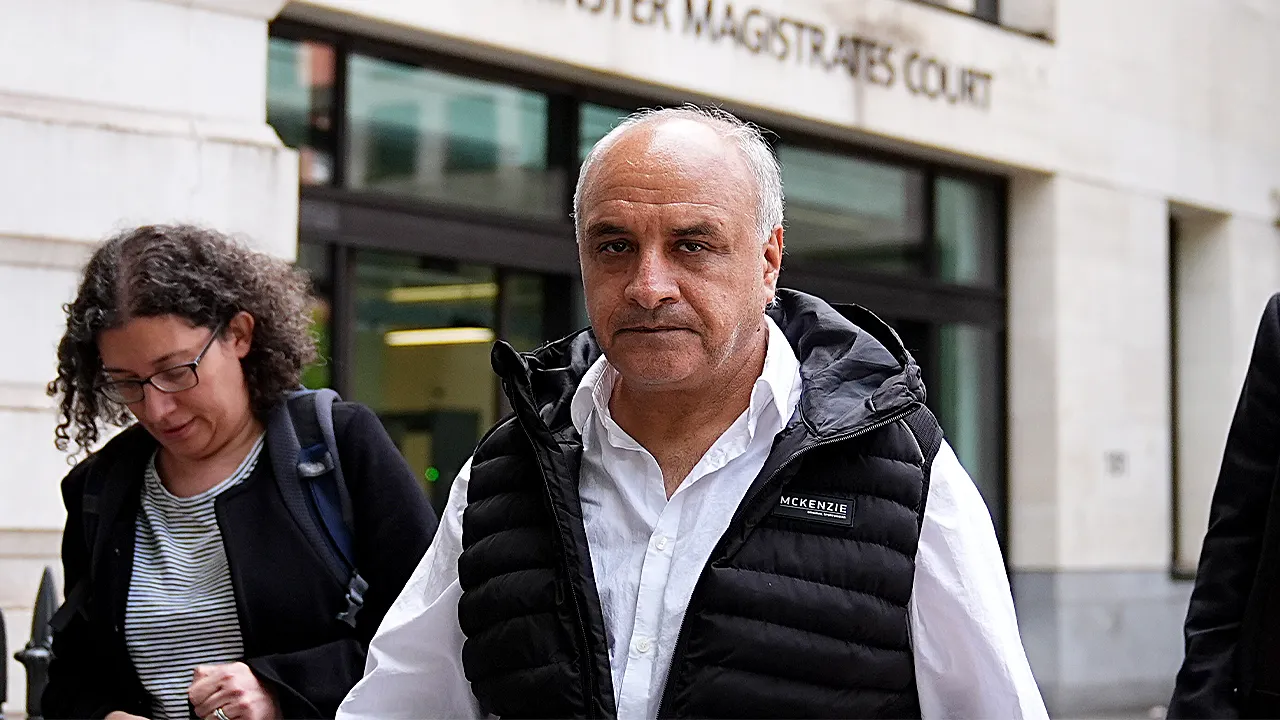
Imagine a cold February morning in 2025, when Hamit Coskun, a 51-year-old man with deep scars from his past, decided to make a bold statement outside the Turkish Consulate in London. Of Armenian-Kurdish descent, Coskun had fled Turkey in search of asylum, claiming his family’s life had been wrecked by Islamic extremists there, and he’d even been jailed for speaking out against Islamist rule. That day, he ignited a copy of the Quran—the holy book of Islam—while shouting defiance against what he saw as a force of terrorism wrapped in religion: “Islam is [the] religion of terrorism” and “f— Islam.” It was a provocative act, meant to expose what he believed were the hypocrisies of a faith that had personally destroyed his world. But this wasn’t just anger; it was a cry for freedom in a country he thought would protect him. As flames licked the pages and witnesses reacted, Coskun underscored a tension that had been brewing for years: in a supposedly free society, how far does the right to offend go? The incident quickly spiraled, drawing global attention and pitting individual expression against collective sensitivities. Passersby, some enraged, turned the scene violent. One man, Moussa Kadri, chased Coskun with a knife, beat him, and spat on him. Kadri would later face justice—a suspended sentence for assault and carrying a bladed weapon—but the real protagonist of this story became Coskun’s protest itself. It sparked debates about blasphemy, immigration, and the fragility of free speech in modern Britain. Authorities charged him with harassing a religious institution, an offense that harkened back to outlawed blasphemy laws from 2008. Groups like the National Secular Society and Free Speech Union rallied to his defense, arguing that prosecuting him amounted to reviving antiquated restrictions on thought. Coskun’s act wasn’t random; it was born from real trauma. He’d watched his people suffer under regimes he labeled oppressive, and burning the Quran was his way of breaking free from silence. Yet, in that moment, he became a symbol—fire and fury against perceived tyranny. The world watched as his personal struggle against extremism morphed into a larger narrative about who gets to speak in Europe. His shouts echoed not just the pain of one man, but the fears of those who believe free speech is under siege. As the smoke cleared, the question lingered: Was this a courageous stand, or a reckless provocation that would cost him everything?
The legal saga unfolded like a thriller, with twists that tested the boundaries of justice and tolerance. Initially, the courts found Coskun guilty of a religiously aggravated public order offense—a conviction handed down in June 2025 that carried a fine and the weight of judgment. Judges acknowledged his act as “desperately upsetting and offensive” to many Muslims, yet affirmed that freedom of expression must encompass views that shock, offend, or disturb. It was a landmark reversal in October 2025, when a higher court overturned the decision, ruling that while the Quran burning hurt feelings, it didn’t cross into criminal territory. This victory felt like a win for free speech advocates, a reminder that in a democracy, even unpopular opinions deserve protection. Coskun breathed a sigh of relief, his ordeal seemingly over. But the Crown Prosecution Service (CPS), the body representing the state’s interest, wasn’t content. Viewing the acquittal as a misstep, they appealed the decision, aiming to reinstate the conviction at London’s High Court. For Coskun, this second act threatened to unravel his fragile new life. He had come to the UK seeking refuge from Turkey’s shadows, where Islamist governance had allegedly upended his existence. Now, Britain—a beacon of liberalism—seemed poised to do the same. The appeal process dragged on, amplifying voices on both sides. Defenders called it a quest for safety; critics saw it as an attack on religious dignity. In interviews, Coskun opened up about his motivations, painting himself not as a hater, but as a victim of tyranny. “The Quran is not just a book; it’s a tool used to justify extremism,” he’d explain. His story intertwined with global issues—immigration, radicalism, and the clash of cultures. The courtroom became a microcosm of these debates, where one man’s ashes of protest ignited discussions about harmony versus dissent. As hearings loomed, allies like the secular societies lobbied tirelessly, highlighting how prosecuting such acts could stifle voices worldwide. It wasn’t just about a fine or a flame; it was about precedent. Would the law protect the protester’s freedom, or bow to pressures of offense? Coskun’s fate hung in the balance, a testament to how personal histories can shape public policy. Each court document and testimony added layers to his narrative, transforming an isolated incident into a case study on empathy and enforcement.
Enter the drama of international politics, where superpower scrutiny collided with local drama. If the CPS won its appeal, Coskun faced deportation, a fate that could shatter his hopes. In a Telegraph interview, he poignitedly warned that defeat might force him “to flee” again—this time across the Atlantic to the United States, where he believed President Donald Trump’s stance on free speech offered sanctuary. “For me, as the victim of Islamic terrorism, I cannot remain silent,” he declared, framing the UK as succumbing to “Islamism and the speech codes” alike. His words carried the weight of someone whose life had been a refugee’s odyssey. The thought of exile pained him; America represented redemption, a place where extremism took no prisoners. Yet, this wasn’t just Coskun’s fantasy. Reports circulated that the Trump administration was actively considering granting him refugee status should the conviction stand. A senior official confided to The Telegraph that his case was “one of several” noted by the White House, signaling a broader alignment with free expression fighters. It hinted at transatlantic tensions, where leaders like Trump criticized Europe’s drift toward censorship. In 2025, Trump had blasted Britain’s online speech laws as “strange things,” lamenting that they spelled trouble for open discourse. Vice President JD Vance echoed this at the Munich Security Conference, fretting that “free speech, I fear, is in retreat” across the continent. These statements weren’t idle; they positioned the US as a bulwark against what Trump saw as creeping authoritarianism. For Coskun, this potential lifeline humanized his plight, making him more than a protester—he became a pawn in a geopolitical chess game. Allies back home saw it as American goodwill extending to those persecuted abroad. Critics, however, worried it overstepped boundaries, turning asylum into a political tool. The administration’s interest added intrigue, blurring lines between humanitarian aid and ideological battles. Coskun’s story now included diplomatic maneuvers, with the State Department fielded for comment by outlets like Fox News Digital. It underscored how one spark in London could ignite debates in Washington, reminding us that freedom’s fight transcends borders.
As the appeal gears turned, broader implications emerged, touching on culture wars, religion, and the soul of Western liberalism. In Ireland, comedian Brendan O’Carroll quipped about UK PM Keir Starmer dodging “culture wars” while “ordinary people” battled daily, highlighting how figures like Coskun became proxies for larger antagonisms. Republican Senator Marco Rubio weighed in, voicing American anxieties that citizens might face arrests abroad for mere social media posts—a fear that Coskun’s case seemed to validate. These voices amplified the narrative, transforming a legal spat into a cultural flashpoint. DAN Gainor, a commentator, warned that England’s erosion of free speech threatened to infect America too, a sobering thought amid rising global polarization. The incident wasn’t isolated; it mirrored tensions where protesters, immigrants, and minorities grappled with expression’s limits. For Coskun, a father and survivor, the stakes were intimate—he longed for a world where his children’s voices wouldn’t be silenced like his. But societal reckonings demanded more: Could societies balance respect for faith with individual liberties? The Quran burning forced uncomfortable conversations, bridging personal tragedies to collective values. Reports of Trump aide discussions symbolized solidarity, yet raised questions about selective outrage. Was this about psi Coskun’s rights, or using him to critique allies? The human element shone through—Coskun’s raw testimony of loss, Kadri’s impulse-driven violence, and global leaders debating ideas over borders. It challenged us to see past headlines, into lives affected by extremism and justice’s vagaries. In an age of quick judgments, this case urged empathy, urging listeners to Fox News articles not just to tune in, but to ponder the codependent dance of offense and freedom.
Reflecting on Coskun’s journey, one hears echoes of countless exiles seeking truth. His 2025 act wasn’t vandalism; it was a manifesto against perceived threats that had ravaged his kin. The US’s rumored involvement added hope, yet underscored divides in how nations view dissent. Free speech, once a universal ideal, now fractured under regional pressures. Trump’s critiques highlighted a transatlantic rift, where America’s bold defense clashed with Europe’s caution. For Coskun, potential refugee status promised escape from Islamism’s shadow without fostering hate. Allies celebrated the possible lifeline, seeing it as thumbing noses at oppressive speech codes. But skeptics fretted over diplomatic ripples—granting asylum to a provocative figure could inflame relations with Turkey or complicate alliances. The case humanized abstract debates, reminding us that behind policies lay real people with stories of pain and defiance. Coskun’s firm belief in Trump’s leadership as a shield against extremism painted a picture of America as haven. His words resonated: a man refusing to be muted after witnessing family’s destruction. The unfolding saga begged introspection—whether societies could foster dialogues without demonizing voices. As courts deliberated, the narrative grew, weaving personal resilience with global currents. It wasn’t merely about a flame; it was about the flame of free speech enduring amidst storms of conflict.
In the end, Coskun’s tale illustrates the high stakes of expression in our fragile world. As listeners tuned into Fox News, absorbing details of his protest and impending appeal, they encountered more than facts—a human ordeal. The Trump’s administration’s noted interest hinted at protective arms extending across oceans, fostering dreams of relocation for those hounded by ideologies. Yet, the story’s heart lay in Coskun’s unyielding spirit, shaped by tragedy yet defiant. It prompted listeners to question: In protecting sentiments, do we stifle souls? His journey from Turkey’s jails to London’s streets, then possibly America’s shores, embodied resilience against forces seeking to extinguish truth. Vance and Rubio’s concerns echoed this, warning of freedoms surrendered quietly. Gainor’s plea urged vigilance against England’s example infecting democracies. Kadri’s attack added human error, a passerby’s rage mirroring broader divisions. As the High Court loomed, anticipation built—not just for verdict, but for its message on harmony. This wasn’t Coskun versus the world; it was one refugee’s stand for many. Vulgar chants and burning pages aside, his motivation stemmed from authentic loss, deserving dignity. Global figures amplified his voice, blending humanitarianism with policy. Ultimately, it challenged us: In a world of extremism, how do we nurture open minds? Coskun’s story, detailed in reports and interviews, invited reflection on empathy’s role in justice.