

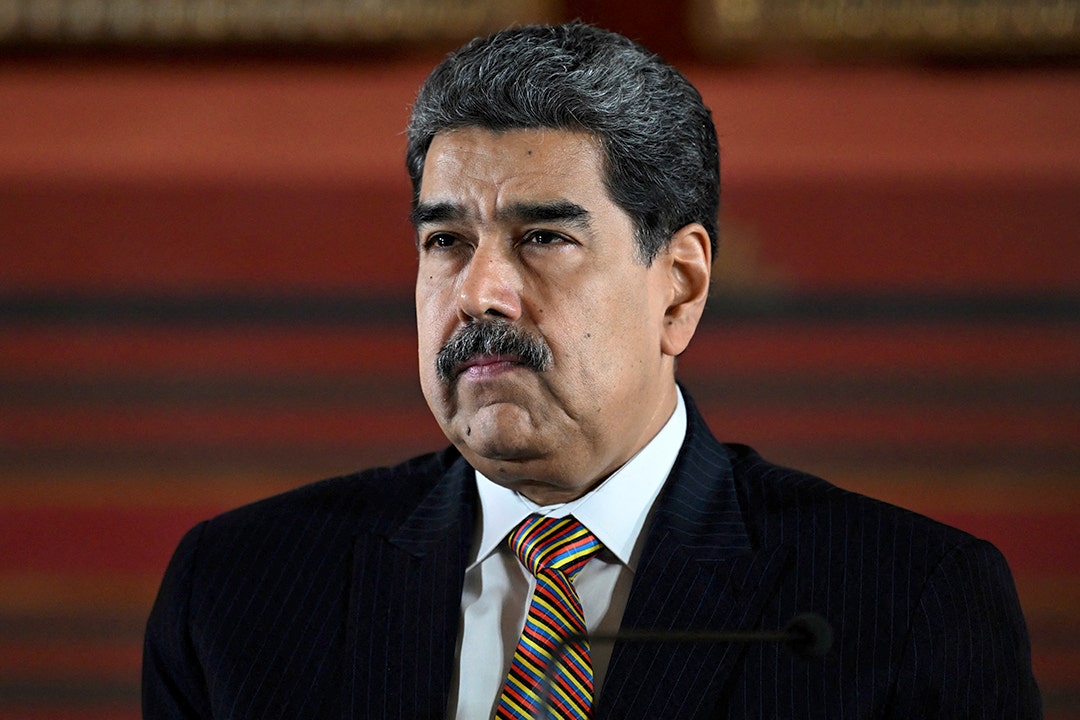
Venezuela’s Maduro Opens Door to U.S. Negotiations Amid Military Pressure
In a surprising shift of tone, Venezuelan President Nicolás Maduro has expressed willingness to negotiate with the United States after months of escalating American military operations targeting drug trafficking networks allegedly tied to his government. Speaking in a New Year’s Eve interview with Spanish journalist Ignacio Ramonet that aired on Venezuelan state television, Maduro declared that Venezuela is “ready” to discuss a drug-trafficking agreement with American officials. “The U.S. government knows, because we’ve told many of their spokespeople, that if they want to seriously discuss an agreement to combat drug trafficking, we’re ready,” Maduro stated, extending an olive branch while simultaneously offering access to Venezuela’s vast oil reserves. “If they want oil, Venezuela is ready for U.S. investment, like with Chevron, whenever they want it, wherever they want it and however they want it,” he added, referencing Chevron Corporation’s unique position as the only major American oil company currently authorized to export Venezuelan crude to the United States.
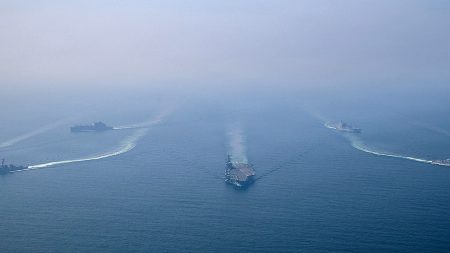
This apparent diplomatic opening comes amid an unprecedented American military campaign in the Caribbean Sea that began in August, which Maduro characterized as a pressure tactic aimed at regime change and securing access to Venezuela’s oil resources. The Venezuelan leader accused Washington of attempting to “impose themselves through threats, intimidation and force.” The timing of Maduro’s interview is particularly notable, as it occurred on the same day the U.S. military announced a strike that killed five people aboard vessels allegedly operated by designated terrorist organizations involved in narcotics trafficking. Since early September, American forces have conducted numerous operations against suspected drug-trafficking boats in the Caribbean and eastern Pacific, reportedly resulting in at least 114 fatalities. These operations represent a significant escalation in America’s approach to combating drug trafficking networks with alleged ties to the Venezuelan government.
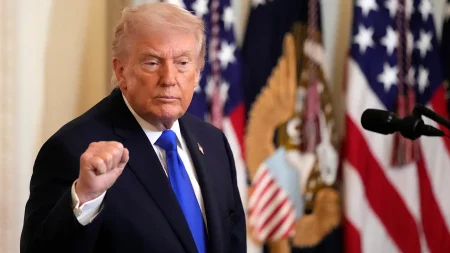
Recent developments suggest the United States may be contemplating an expansion of its Venezuela-focused campaign, potentially including ground operations. President Donald Trump confirmed a strike targeting what he described as a Venezuelan port used for drug trafficking, though he declined to specify whether the operation was conducted by U.S. military forces or another entity such as the CIA. When asked about this specific incident during his interview, Maduro was uncharacteristically reticent, stating only that he could “talk about it in a few days.” This unusual restraint from the typically outspoken Venezuelan leader hints at the sensitivity surrounding these escalating tensions and the potential serious nature of the operation in question. The ambiguity of Trump’s comments and Maduro’s measured response have fueled speculation about the scope and direction of America’s operations in the region.
In recent weeks, the Trump administration has dramatically intensified pressure on Maduro’s government through multiple channels. The United States has ordered a total blockade of oil tankers entering or leaving Venezuela, designated Maduro’s regime as a foreign terrorist organization, and accused it of using stolen American assets to fund terrorism, drug trafficking, and other criminal activities. U.S. authorities have also seized two ships carrying sanctioned Venezuelan oil, further tightening the economic vise on Venezuela’s already struggling economy. These aggressive measures represent a significant hardening of the American position toward Maduro’s government, moving beyond the diplomatic isolation and economic sanctions that characterized earlier approaches. The designation of Venezuela as a state sponsor of terrorism, in particular, marks a dramatic escalation that carries significant international implications and severely limits potential diplomatic pathways.
The humanitarian impact of this ongoing conflict remains severe for the Venezuelan people, caught between an authoritarian government accused of widespread corruption and human rights abuses, and increasingly aggressive American policies designed to pressure that government. Venezuela’s economy has collapsed under the weight of mismanagement and international sanctions, creating one of the world’s worst humanitarian crises outside of a war zone. Millions of Venezuelans have fled the country, creating significant refugee challenges throughout Latin America. Basic necessities like food, medicine, and fuel remain scarce for those who remain, and the intensification of American military operations risks further destabilizing an already precarious situation. Maduro’s apparent openness to negotiations may reflect growing awareness that his government’s survival depends on finding some accommodation with Washington.
Whether Maduro’s overture represents a genuine desire for compromise or merely a tactical maneuver to relieve pressure remains unclear. The Biden administration, set to take office on January 20, will inherit this complex situation and must determine whether to continue Trump’s aggressive approach or pursue a different strategy. The prospect of negotiations raises questions about what concessions each side might be willing to make, and whether any agreement could address both America’s concerns about drug trafficking and Venezuela’s need for economic relief. After years of failed dialogue attempts and escalating confrontation, the path to a negotiated solution remains extremely challenging. However, Maduro’s unexpected willingness to discuss cooperation on drug trafficking and oil investment potentially creates a narrow opening for diplomatic engagement that might help alleviate the suffering of the Venezuelan people while addressing key American security concerns in the region.