





Venezuela’s Dramatic Turn: From Maduro’s Defiance to American Intervention
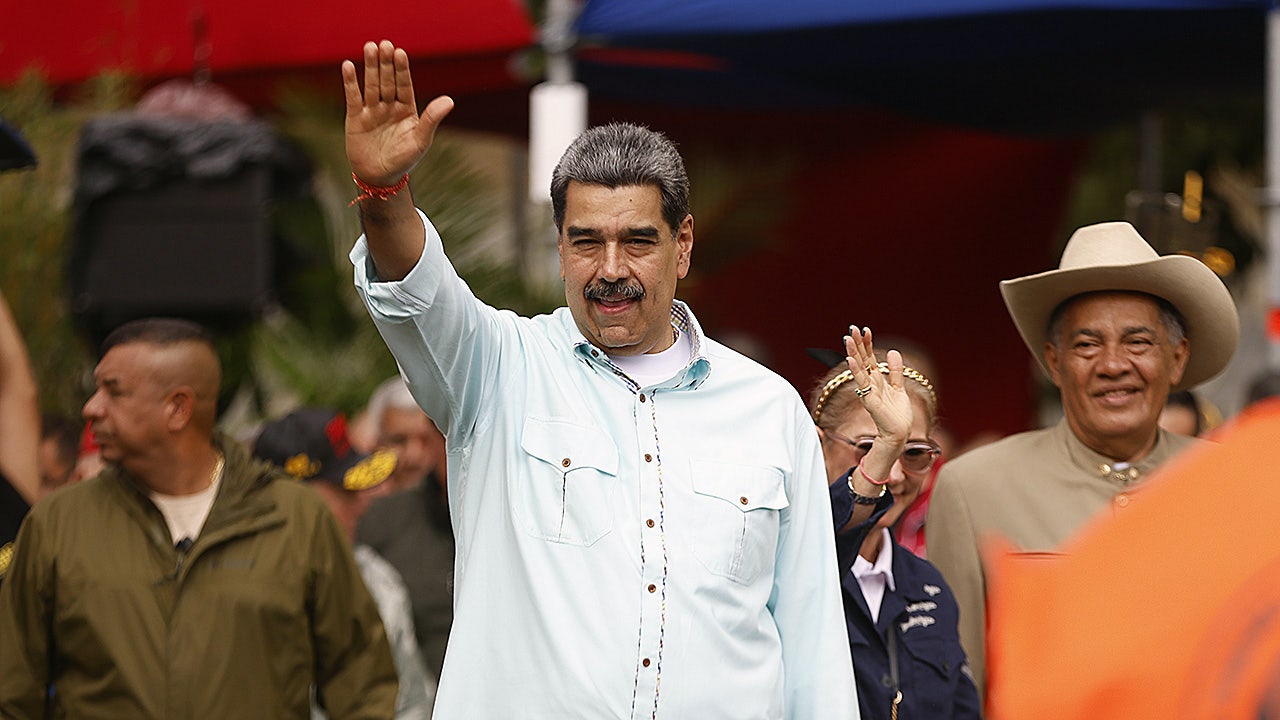
In a stunning turn of events that has sent shockwaves across Latin America, Venezuelan President Nicolás Maduro’s government has fallen following a decisive U.S. military strike. The operation, confirmed by former President Donald Trump, resulted in the capture of Maduro and his wife Cilia Flores, who have reportedly been removed from the country to face serious charges including narco-terrorism conspiracy in the United States. This dramatic development marks a pivotal moment in Venezuela’s tumultuous political history and represents one of the most direct American military interventions in the Western Hemisphere in recent decades. Just before his capture, Maduro appeared on Venezuelan state television and radio, standing alongside military officials in what would become his final address as the nation’s leader, condemning what he described as “an attack against the sovereignty of Venezuela” and “a grave military aggression” that violated international law.
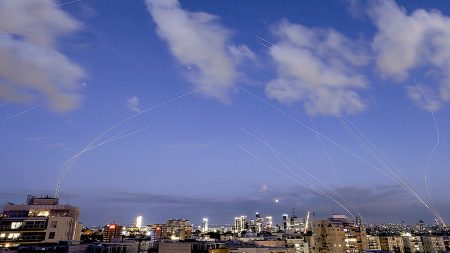
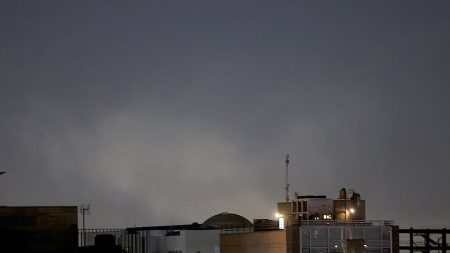
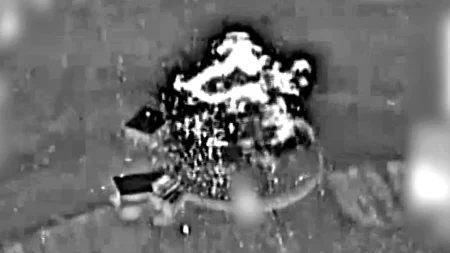
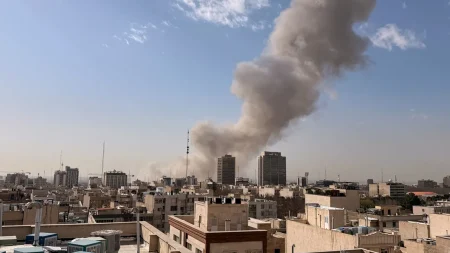
The American strike targeted multiple locations across Venezuela, including sites in the capital Caracas and the states of Miranda, Aragua, and La Guaira. In his final moments of defiance, Maduro characterized the intervention as “an attempt to impose a colonial war and force political change by violence,” consistent with his long-standing anti-imperialist rhetoric that has defined his rule. The Venezuelan government, loyal to Maduro until the end, framed the U.S. military action as part of a larger American conspiracy to seize Venezuela’s vast oil and mineral reserves – resources that have remained largely untapped due to years of economic mismanagement and international sanctions. In response to the unfolding crisis, Maduro had signed a decree declaring a nationwide state of “external disturbance,” granting his government emergency powers that included mobilizing security forces and limiting civil liberties – measures that proved too little, too late as American forces executed their operation.
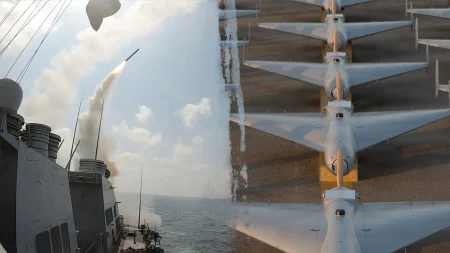
This intervention comes after months of escalating American military activity in the Caribbean and Eastern Pacific, targeting alleged drug-trafficking operations. U.S. Attorney General Pam Bondi confirmed that Maduro and his wife now face serious indictments related to narco-terrorism conspiracy, underscoring the longstanding American allegations that the Venezuelan regime has been deeply involved in international drug trafficking. The charges represent a culmination of years of deteriorating relations between Washington and Caracas, during which the United States has consistently refused to recognize Maduro’s legitimacy following disputed elections and has implemented severe economic sanctions against his government and its supporters. The capture of Maduro potentially ends his 11-year grip on power, a period marked by economic collapse, humanitarian crisis, and the exodus of over seven million Venezuelans fleeing political repression and extreme poverty.
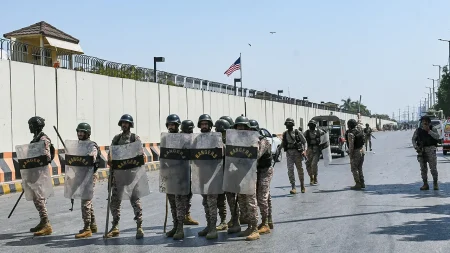
The American military action has sparked varied reactions across the international community, with Venezuela’s traditional allies like Cuba, Russia, and China likely to condemn the intervention as a violation of sovereignty, while many Western nations and Venezuelan opposition groups may cautiously welcome the removal of a leader they have long considered illegitimate. Within Venezuela itself, the immediate aftermath has seen military deployments to protect strategic infrastructure and emergency governmental meetings, as captured on state television before communications became disrupted. The power vacuum created by Maduro’s sudden removal raises critical questions about Venezuela’s future governance and stability, with opposition leader Maria Corina Machado emerging as a potential successor according to some reports. Machado, who has maintained significant popularity despite government persecution, represents the democratic opposition that has long called for free and fair elections in Venezuela.
The international legal implications of this American intervention will undoubtedly be debated extensively in the coming days and weeks. Critics may point to violations of international law and sovereignty principles enshrined in the United Nations Charter, as Maduro himself alleged in his final address. Supporters of the action will likely focus on the humanitarian justification, citing the Maduro regime’s well-documented human rights abuses, electoral fraud, and transformation of Venezuela from one of Latin America’s wealthiest nations to one of its most impoverished. The United States will presumably argue that the narco-terrorism charges provided legal grounds for the operation, positioning it within their broader war on drugs rather than as a regime change initiative, though the practical effect remains the same.
Venezuela now stands at a critical crossroads, with its political future hanging in the balance. The immediate challenges include maintaining public order, ensuring the continuity of essential services, and establishing a transitional government that can begin addressing the nation’s profound economic and humanitarian crises. The longer-term challenge will be rebuilding democratic institutions that have been systematically dismantled during Maduro’s tenure and healing the deep societal divisions that have emerged. For everyday Venezuelans, who have endured hyperinflation, food and medicine shortages, collapsed public services, and widespread insecurity, this dramatic change in leadership brings both uncertainty and potential hope. Whether this American intervention ultimately leads to democratic renewal and economic recovery or deeper instability and conflict will depend largely on how Venezuela’s military, political factions, and civil society respond in the critical days ahead, as well as how the international community engages with Venezuela’s transition from authoritarian rule.