




Kim Jong Un’s Daughter in the Spotlight: Signs of Succession?
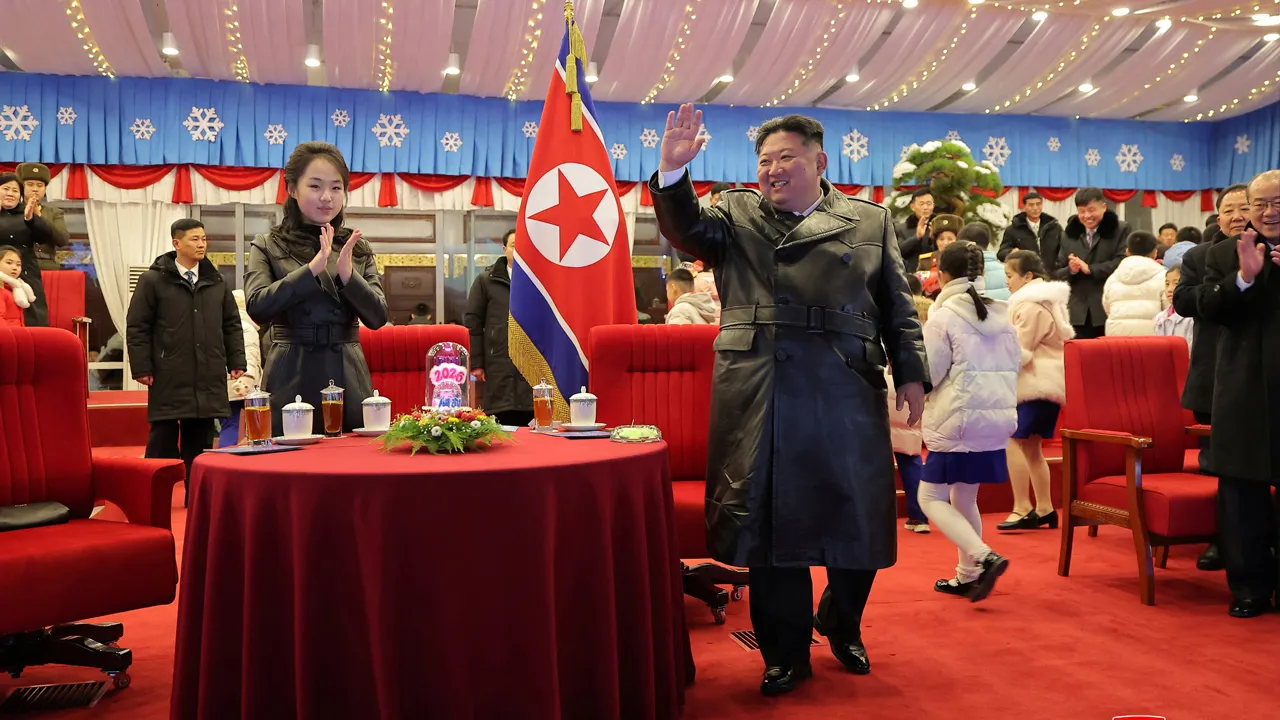
In a symbolic New Year’s Day visit, North Korean leader Kim Jong Un was accompanied by his daughter, Ju Ae, as they paid respects at the Kumsusan Palace of the Sun—a hallowed mausoleum housing the remains of North Korea’s founding leaders. The images released by state media KCNA captured a poignant scene: young Ju Ae standing between her parents in the grand hall of the mausoleum, a deliberate positioning that speaks volumes in a country where political imagery is carefully orchestrated. This visit continues Kim’s adherence to the longstanding tradition of paying homage at the palace during significant dates, reinforcing the legitimacy of North Korea’s three-generation dynastic rule and connecting his family line to the sacred foundations of the state.
Over the past three years, Ju Ae has become increasingly visible in state media, transitioning from a child whose existence was once merely rumored to a public figure garnering international attention. Though North Korean authorities have never confirmed her age, analysts believe she is approximately 12 or 13 years old. Her growing prominence has led South Korea’s intelligence services and international observers to speculate that she may be being positioned as her father’s successor—a significant development in a country that has only known male leadership. The world first learned about Ju Ae’s existence not through official channels but from an unlikely source: former NBA star Dennis Rodman, who mentioned holding “baby Ju Ae” during his controversial 2013 visit to Pyongyang, describing Kim Jong Un as “a good dad.”
Ju Ae’s debut on the international stage came last September when she accompanied her father on a diplomatic visit to Beijing—Kim’s first trip to China in years. This calculated introduction to foreign dignitaries represents a significant elevation in her public profile and has been interpreted by many analysts as further evidence that she is being groomed for leadership. Her presence alongside her father at military events, missile launches, and now diplomatic engagements follows a pattern reminiscent of how Kim Jong Un himself was introduced to the public before succeeding his father, Kim Jong Il. These appearances carefully blend family imagery with state power, presenting Ju Ae not simply as Kim’s daughter but as a figure with potential political significance.
The increasing visibility of Ju Ae raises important questions about North Korea’s future leadership trajectory. The country has traditionally followed a patrilineal succession pattern, with power passing from father to son through three generations of the Kim family. If Ju Ae is indeed being positioned as a potential successor, it would represent a dramatic shift in North Korean political tradition. Some analysts suggest that featuring a female heir might be an attempt to soften the image of the regime internationally while maintaining the all-important bloodline connection to the country’s founder, Kim Il Sung. However, others caution that her public appearances might serve different propaganda purposes, perhaps highlighting Kim Jong Un as a family man or establishing Ju Ae as a symbolic figure rather than a direct successor.
For Ju Ae herself, growing up under such intense scrutiny comes with profound psychological implications. As parenting expert Kirsty Ketley observed, “She’s being shaped into a role rather than being supported to figure out who she is as an individual, and that pressure could have a huge impact on her mental health.” Unlike children in most countries who have the luxury of developing their identities privately, Ju Ae’s childhood is unfolding in carefully staged public appearances where every gesture is analyzed for political meaning. Her education, relationships, and personal development are presumably being tailored to prepare her for potential leadership roles, creating a childhood experience defined by political necessity rather than normal developmental needs.
The ongoing narrative of Ju Ae’s public life unfolds against a backdrop of increasing tensions on the Korean peninsula, with North Korea continuing its missile tests and military developments. Whether her prominence signals a genuine succession plan or serves as political theater remains uncertain. What is clear, however, is that the North Korean regime continues to invest heavily in the symbolism of the Kim family bloodline as the source of its legitimacy. For the international community, Ju Ae’s appearances provide rare glimpses into the opaque workings of North Korea’s leadership planning. As this young girl continues to appear at her father’s side during state events, the world watches not just the development of a child, but potentially the unfolding of North Korea’s future leadership chapter—a dynasty possibly preparing for its first female ruler.