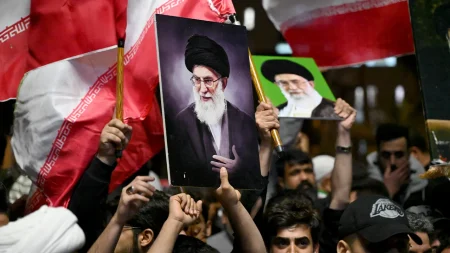





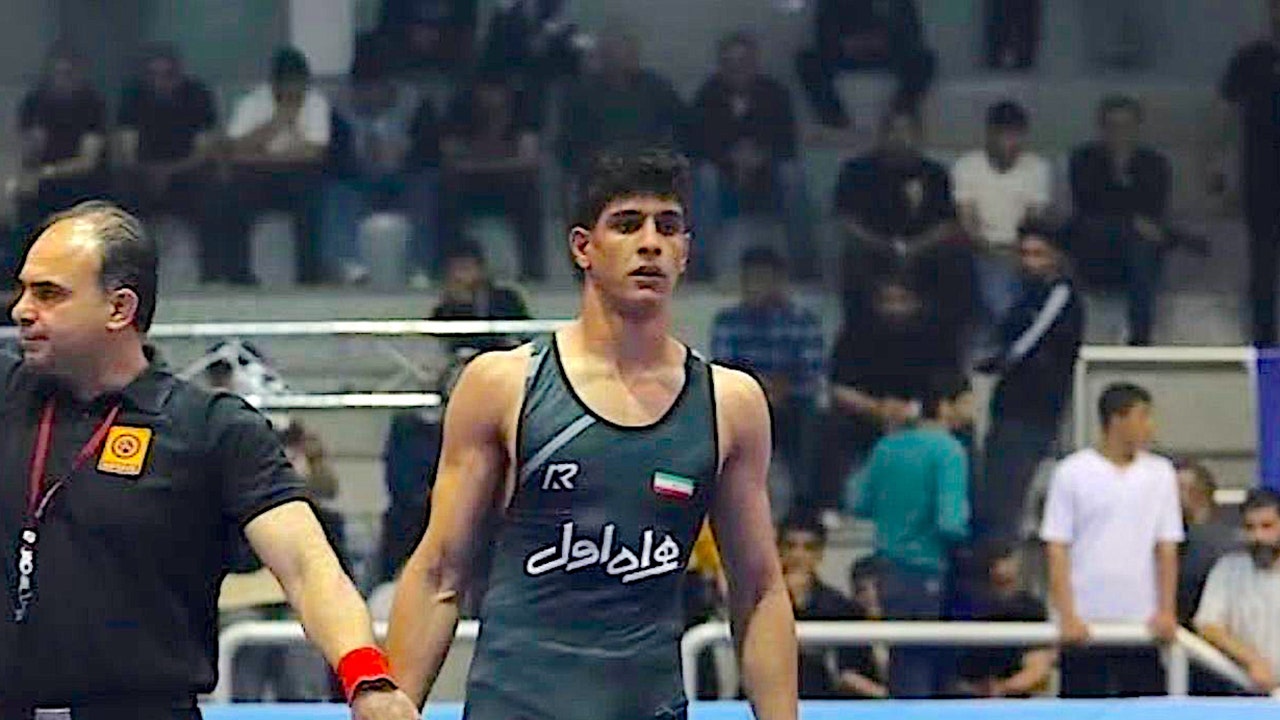
In the heart of a nation gripped by turmoil, where the echoes of brutal oppression drown out the cheers of its passionate sports arenas, a tragic tale unfolds that humanizes the broader struggle for freedom in Iran. Imagine being Parsa Lorestani, a vibrant 15-year-old wrestler from the small city of Zagheh in western Iran. His dreams of competing on mats and embracing the thrill of Greco-Roman wrestling were shattered when a government sniper’s bullet ended his life during a protest in Khorramabad on January 8. This wasn’t just another anonymous death in the wave of dissent against 47 years of Islamist rule; it was the agonizing loss of a young athlete whose video footage, capturing his youthful enthusiasm for the sport that unites and inspires, now serves as a poignant reminder of the human cost. Wrestling, a beloved national pastime, has been tainted by the regime’s merciless crackdown on thousands of demonstrators, many of them young people seeking basic dignity and liberty. Reports from Iran International reveal how the clerical regime’s actions have pierced the soul of sports, turning arenas meant for glory into symbols of grief. As families mourn and communities fracture under this dark cloud, figures like Sardar Parshaei, the former head coach of Iran’s national Greco-Roman wrestling team and now an Iranian-American exiled voice, cry out on social media: “Another wrestler murdered. Erfan Kari was 20. A champion. He could have been an Olympian. Instead, the Islamic regime shot him for protesting.” Such words evoke the deep personal pain of watching talented young lives—full of promise and potential—extinguished not by competition, but by tyranny. Parshaei’s plea resonates with millions who see athletes as beacons of hope, embodying the dreams of ordinary Iranians striving for a better tomorrow. This isn’t abstract politics; it’s the story of sons, brothers, and future champions cut down in their prime, leaving a void that reverberates through families who once gathered around TVs to watch their heroes grapple for victory. The regime’s control over sports, often exploited to project an image of normalcy, contrasts starkly with the raw human suffering underneath, making every execution feel like a betrayal of the very spirit of athleticism that transcends borders and unites people in shared joy.
Diving deeper into this human crisis, prominent dissident Masih Alinejad amplifies the outrage by painting a vivid picture of the scale of injustice. With over 786,000 followers on X, she declares that the Islamic Republic has “slaughtered over 40,000 protesters,” a staggering figure that includes thousands of athletes—children, teenagers, young women and men from diverse sports disciplines—who risked everything for freedom. Her words pulse with empathy and anger: “Thousands of them athletes, children, teenagers, young people, women, men, and from various sports disciplines.” Alinejad’s call isn’t just a political statement; it’s a heartfelt plea to honor these lost souls by boycotting the regime’s participation in international events like the upcoming FIFA World Cup in the United States. She highlights the insidious role of the Islamic Revolutionary Guard Corps (IRGC), a U.S.-designated terrorist organization that infiltrates every layer of Iranian life, including sports, to censor dissent and perpetuate oppression. “The regime shamelessly exploits international sporting events to legitimize itself and whitewash its crimes,” she urges, imploring FIFA, the International Olympic Committee, and global sports bodies to “refuse to legitimize a system that massacres its own people and athletes for demanding freedom and human dignity.” This strikes at the core of human compassion, urging the world to see beyond the games and recognize the bloodied faces of protesters whose only crime was yearning for the same liberties we often take for granted. Afsoon Roshanzamir Johnston, the pioneering American-Iranian wrestler who conquered the world championships in 1989, shares her emotional turmoil, speaking from a place of personal memory. “Having been a young girl in Iran during the 1979 Revolution,” she recounts, her voice heavy with nostalgia and sorrow, “I vividly remember the feeling of the clocks being turned back 100 years as women’s freedoms and fundamental human rights were stripped away overnight.” Now witnessing her homeland’s descent into darkness, where male wrestlers face torture and execution while women are barred from even participating in athletics, she confesses, “The slaughter of protesters in my homeland makes me sick.” Johnston’s appeal is deeply personal: “It is with a very sad and heavy heart that I speak for the Iranian people,” she says, linking her own revolutionary upbringing to today’s cries for justice. These stories humanize the struggle, reminding us of the eroding dreams of mothers who once encouraged their daughters to wrestle freely, or fathers who coached sons toward Olympic glory, only to see their legacies stained by regime bullets. Every athlete in Iran carries the weight of this burden, turning personal ambitions into acts of quiet rebellion.
Amid the chorus of condemnation, the International Olympic Committee (IOC) and other bodies face a moral dilemma that touches on the delicate art of diplomacy through sports. Sardar Parshaei, a world champion greeter himself, campaigns fervently for the IOC and United World Wrestling (UWW) to ban Iran, demanding accountability for athletes like Saleh Mohammadi, a 19-year-old wrestler facing imminent execution. When pressed, the IOC deflects with a January 29 statement emphasizing “quiet sport diplomacy” and ongoing contact with Iran’s Olympic community, but this non-committal stance feels like a hollow nod to pragmatism over principle. It evokes the frustration of families waiting in limbo, their pleas for the release of imprisoned athletes like Alireza Nejati echoing unanswered as the clock ticks toward irreversible tragedy. Dan Russell, executive director of Wrestling for Peace, articulates the ethical imperative: “Neutrality cannot mean indifference when lives are at stake.” His words resonate with the universal human instinct to protect the vulnerable, underscoring that sports must stand for “peace, respect, and human dignity.” Russell urges every avenue—from halts to executions to safeguarding conscience-driven athletes—to be explored, framing these actions as preserving the “best of who we are as the wrestling family.” This perspective invites reflection on our shared humanity, where letting sports become a tool of oppression diminishes the global spirit of camaraderie that draws millions together. Imagine the heartache of Iranian wrestlers training in isolated gyms, whispering about their fallen comrades, or the spectators worldwide who unknowingly cheer systems marred by atrocity. The call to action here is to infuse sports with empathy, ensuring that competitions uplift rather than exploit, and that the voices of the oppressed aren’t silenced by diplomatic niceties.
Yet, not all voices agree on the path forward, adding nuance to this complex human tapestry. Potkin Azarmehr, a British Iranian expert skeptical of blanket bans, argues against excluding Iran’s wrestling team, envisioning it as an opportunity for dissent rather than isolation. “If Iran’s wrestling team competes, it’s an opportunity for more defections and protests against the regime by the spectators which will be televised and reach millions of viewers inside Iran, too,” he posits, humanizing the potential for grassroots change within the event itself. Azarmehr acknowledges the risk of “blanket victimization” of dedicated athletes who’ve poured years into training, emphasizing compassion for their efforts and calling instead for symbolic gestures like allowing spectators to display images of executed wrestlers. This viewpoint invites empathy for the regime’s opponents amid economic hardships and familial ties, highlighting how international bans might inadvertently penalize those pushing for reform from within. It paints a picture of Iranian athletes as unwitting pawns in a larger game, torn between personal triumphs and national oppression, where each match could spark covert acts of defiance. Azarmehr’s stance stirs debate on balancing justice with hope, recognizing that collective action is messy and often involves weighing the immediate suffering against long-term liberation. His words resonate with our innate desire for solutions that unite rather than divide, perhaps finding common ground in statements from bodies like the IOC that push for reform without total exclusion.
Ultimately, this crisis compels us to confront the fragility of human life in the shadow of power, where sports—meant to be a beacon of unity—become battlegrounds for morality. The stories of Parsa, Erfan, and countless others weave a narrative of resilience amid devastation, urging the world to amplify the “dire situation” Afsoon Roshanzamir Johnston describes as stripping away hundreds of years of progress. Sports organizations must evolve beyond neutrality, adopting firm stances that honor the bravery of protesters and protect athletes’ rights, as Dan Russell advocates. Yet, perspectives like Azarmehr’s temper idealism with realism, suggesting avenues for internal change that don’t abandon dedicated participants. This humanized account reveals the profound intersections of passion for sport and the fight for freedom, calling on all of us—fans, athletes, and leaders—to stand with Iran’s people. By boycotting or reforming international competitions, we reclaim sports as a force for good, ensuring that no regime can whitewash its crimes under the guise of athletic camaraderie. The legacy of these fallen wrestlers demands not just protest, but profound action that echoes the human spirit’s unbreakable will to live free, dream big, and wrestle against injustice in every corner of the world. In remembering their faces, we honor the universal desire for dignity, transforming grief into a rallying cry for a brighter, more equitable global future.
As the global conversation intensifies, the Iranian regime’s actions underscore the urgent need for solidarity that transcends borders and disciplines. Masih Alinejad’s enduring call for FIFA and the IOC to boycott Iran isn’t merely rhetorical; it’s a lifeline for the silenced voices of athletes who paid the ultimate price. Afsoon Roshanzamir Johnston’s reflection on her revolutionary youth ties personal histories to collective pleas, evoking the nostalgia of simpler times before totalitarian shadows eclipsed potential. Parsha’s campaign for bans reflects the deep-seated ache of exile, where every execution feels like a personal loss, Echoing through communities where wrestling mats were once places of aspiration. Dan Russell’s emphasis on sports as a moral compass invites us to envision a world where competitions champion human rights, where an athlete’s voice isn’t drowned out by gunfire. Even amid divisions, Azarmehr’s pragmatic view fosters dialogue, reminding us that reform often blooms from unexpected spaces, like crowded stadiums amplifying dissent. Together, these narratives paint a portrait of Iran as a nation of dreamers curtailed by cruelty, urging empathy-driven advocacy. The upcoming World Cup and Olympics aren’t just events; they’re platforms to prioritize lives over optics, to ensure that sports foster liberation rather than oppression. By supporting bans, statements, and protections, we contribute to a narrative of hope, where future generations of Iranians can wrestle freely without fear, their stories celebrated in triumph rather than tragedy. This human odyssey invites us all to engage, to feel the pulse of change, and to act with the compassion that defines our shared humanity.