




Iran’s Supreme Leader Denounces Trump Amid Deadly Protests
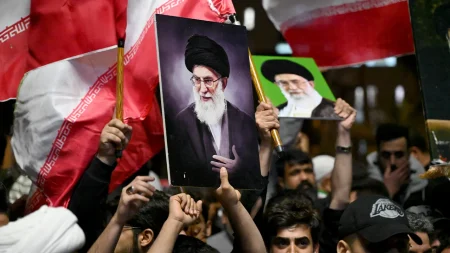
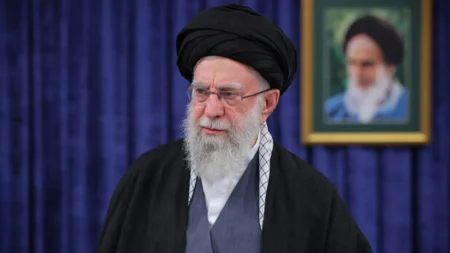
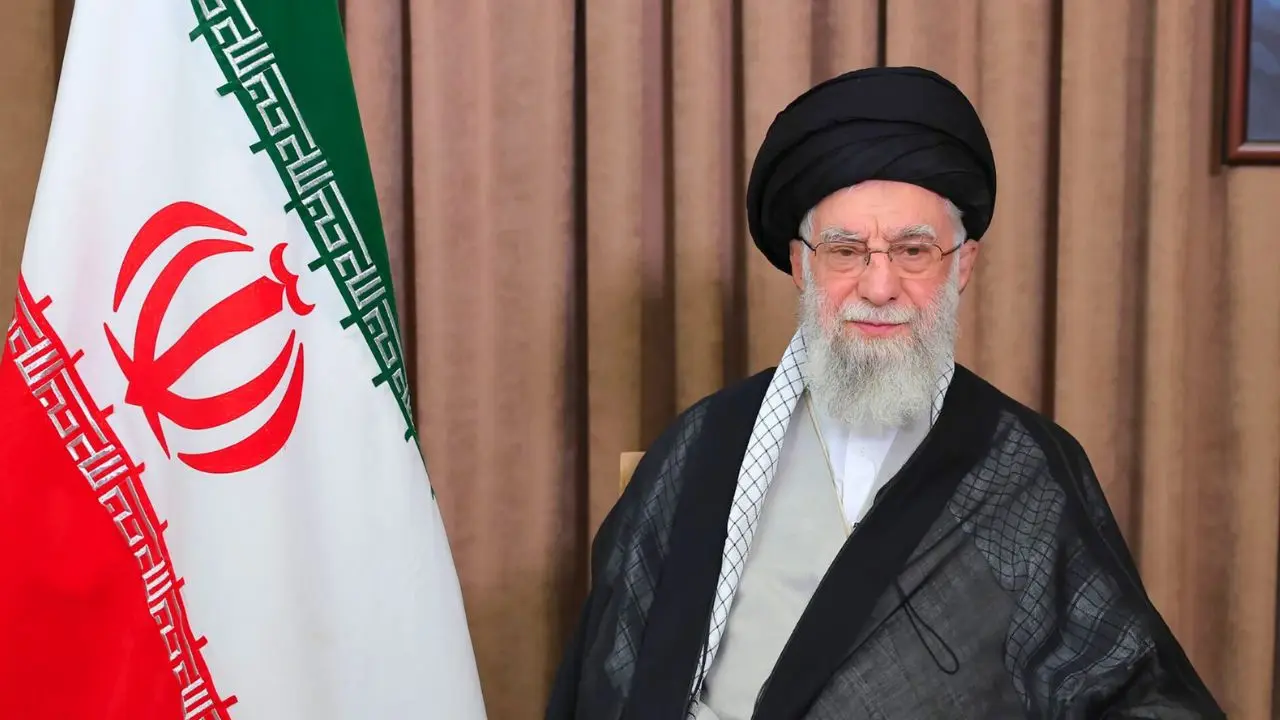
In a stark escalation of rhetoric, Iran’s Supreme Leader Ayatollah Ali Khamenei has directly targeted President Donald Trump, labeling him a “criminal” and accusing the United States of masterminding the ongoing unrest in Iran. These protests, which began in late December over economic concerns, have evolved into widespread anti-regime demonstrations that represent the most significant challenge to the Iranian government in decades. According to Khamenei’s statement carried by Iranian media, “The latest anti-Iran sedition was different in that the U.S. President personally became involved.” This accusation forms part of Tehran’s consistent narrative that external forces—particularly the U.S. and Israel—are responsible for fomenting internal dissent rather than acknowledging genuine domestic grievances.
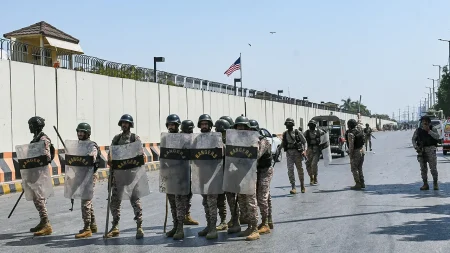
The human toll of the government’s response to these protests has been devastating. Human Rights Activists in Iran, a U.S.-based organization, reports that at least 3,090 protesters have been killed in the crackdowns by security forces, a figure that continues to rise and surpasses casualties from any period of unrest since the 1979 revolution. Iranian opposition figure Reza Pahlavi has suggested an even higher death toll, claiming that a minimum of 12,000 people have died. These alarming numbers highlight the severity of the regime’s response to citizens exercising their right to protest against economic hardship and political repression. The violence has drawn international attention and condemnation, with human rights groups documenting widespread arrests, torture, and executions of demonstrators.
President Trump has openly expressed support for the Iranian protesters, suggesting they should “take over” the country and announcing he has cut off all meetings with the Iranian regime until the government stops its violent crackdown. His administration has taken a firm stance, with White House Press Secretary Karoline Leavitt stating, “The president and his team have communicated to the Iranian regime that if the killing continues, there will be grave consequences.” In a surprising development, Trump claimed on social media that his pressure had resulted in the cancellation of approximately 800 scheduled executions in Iran, though the source of this information remains unclear. Some Republican lawmakers have gone further, urging the president to consider military action against the Iranian regime.
The Iranian clerical establishment has responded with characteristic defiance and threats. During Friday prayers, Ayatollah Ahmad Khatami, a hardline member of Iran’s Assembly of Experts and Guardian Council, described protesters as “the butlers” of Israeli Prime Minister Benjamin Netanyahu and “Trump’s soldiers.” His sermon, broadcast on Iranian state radio, included ominous warnings that Netanyahu and Trump should await “hard revenge from the system” and that “Americans and Zionists should not expect peace.” These statements underscore the regime’s strategy of framing the protests as foreign-orchestrated rather than addressing the legitimate grievances of its citizens, which include economic mismanagement, corruption, and restrictions on personal freedoms.
The current situation represents a critical juncture for Iran’s future. What began as demonstrations against economic problems quickly transformed into a broader movement challenging the very legitimacy of the Islamic Republic. The protesters, many of them young Iranians who have grown up under sanctions and restrictions, are demanding fundamental changes to the political system that has governed Iran for over four decades. Their courage in the face of brutal repression speaks to the depth of their dissatisfaction with the status quo and their desire for a more democratic, open society. Meanwhile, the international community remains divided on how to respond, with some advocating for increased pressure on the regime and others cautioning against actions that could further destabilize the region.
As tensions between Iran and the United States continue to escalate, the Iranian people find themselves caught in the middle of a geopolitical struggle with profound humanitarian consequences. The Trump administration’s “maximum pressure” campaign of economic sanctions has contributed to the economic hardships that initially sparked the protests, while the regime’s violent crackdown has transformed economic grievances into calls for radical political change. The ultimate outcome of this confrontation remains uncertain, but what is clear is that thousands of ordinary Iranians have paid with their lives for demanding dignity, freedom, and basic human rights. Their sacrifice highlights the urgent need for a resolution that addresses the legitimate aspirations of the Iranian people while preventing further bloodshed in a country that has already endured too much suffering.