





Part 1: The Shocking Fallout from a High-Stakes Appointment
In the often cutthroat world of British politics, where every decision ripples through public trust like a stone in a still pond, the resignation of Morgan McSweeney has sent shockwaves across Westminster and beyond. As the Sunday sun set on a tumultuous week, McSweeney, who had been Prime Minister Keir Starmer’s right-hand man as chief of staff, made the tough call to step down. It wasn’t just about politics; it was about integrity, a word that’s been tossed around like confetti in press conferences but rarely backed up by real action. McSceneey had been at the heart of advising Starmer on appointing Peter Mandelson, a veteran Labour figure with a storied past in UK politics, as the ambassador to the United States. But what seemed like a strategic move to inject experience into diplomatic ranks quickly unraveled into a public relations nightmare. Mandelson, with his web of international connections and undeniable charm, was supposed to represent Britain on the global stage—yet his shadowy associations with controversial figures came crashing into view. Picture this: a seasoned advisor, bogged down by defensive emails and mounting pressure from media outlets, realizing that his recommendation had not only embarrassed the government but eroded the public’s faith in an administration that promised transparency and reform. People were furious; voters, already cynical from years of scandals, saw this as yet another elite betrayal. It wasn’t just a job loss for McSweeney; it was a pivotal moment where one error threatened to undermine everything Labour had worked for since the elections. As the news broke, commentators speculated endlessly—some called it a noble sacrifice, others a scapegoat’s exit. But for McSweeney, a father and a devoted public servant, this decision weighed heavily, blending personal principle with the cold calculus of power. In a landscape where loyalty is king, stepping away took real courage, showing that sometimes, doing the right thing means walking away from the spotlight. This episode humanely reminds us that behind the headlines are real people grappling with moral dilemmas, families affected, and a nation questioning if its leaders can ever truly rise above old mistakes. The reaction was swift: social media erupted with debates, pundits dissected every nuance, and ordinary folks, sipping their morning coffee, wondered aloud how such blunders persist in an age of instant information. McSweeney himself reflected on this in interviews, hinting at the exhaustion of battling internal doubts while projecting confidence outward. It’s stories like these that make politics feel alive, messy, and undeniably human—a mix of ambition, error, and redemption that shapes societies.
Part 2: McSweeney’s Raw Admission of Guilt and Appeal for Change
Delving deeper into the heart of the resignation, McSweeney’s statement, as reported by The Guardian, cuts through the political veneer with a raw honesty that feels almost confessional. “The decision to appoint Mandelson was wrong,” he declared plainly, owning up to his role as the chief proponent of this ill-fated choice. It’s rare in politics for someone to shoulder responsibility so directly, dodging the usual deflection tactics that plague Westminster. McSweeney, a background figure who’d quietly steered Labour’s ship through choppy waters, called his departure the “only honourable course” amidst the swirling controversy. Imagine the internal turmoil: late-night debates, sleepless nights poring over dossiers, and the crushing realization that one’s judgment had backfired spectacularly. He wrote that Mandelson had “damaged our party, our country and trust in politics itself”—words that carry weight, speaking to a collective disillusionment where citizens feel let down by the very systems meant to represent them. This wasn’t easy for McSweeney; he’s a man shaped by his Irish Catholic upbringing, values that instilled a deep sense of duty, and leaving wasn’t just a professional pivot but an emotional toll. Yet, he doubled down on support for Starmer and the Labour agenda, a testament to loyalty that transcends personal fallout. Calling for a “fundamental overhaul of the government’s vetting and due-diligence process,” McSweeney humanized the issue, turning it from abstract politics into a call for reform we can all relate to. How many of us have made mistakes in judgment—hiring the wrong friend for a job, trusting someone who didn’t deserve it—and lived to regret it? His pledge to continue advising from the sidelines shows a resilience, a refusal to let failure define his legacy. In essence, this resignation is a microcosm of accountability, where one man’s humility becomes a beacon for better governance. Newspapers splashed it across front pages, and public opinion swayed—some lauded his integrity, others saw political theater. But at its core, it’s a reminder that leadership demands vulnerability, and mistakes, when owned, can spark real change, much like how personal apologies mend strained relationships in everyday life.
Part 3: Unpacking the Shadowy Ties Between Mandelson and Epstein
To truly grasp the storm surrounding McSweeney’s exit, we must peel back the layers of Peter Mandelson’s connections to Jeffrey Epstein, a disgraced financier whose name evokes a cascade of ethical nightmares. Epstein, convicted in 2008 for soliciting prostitution—a charge involving a minor—remained a figure of intrigue, networking with the world’s elite despite his legal troubles. Newly released emails from the U.S. Justice Department in January painted a disturbing picture: Mandelson kept lines of communication open with Epstein even after the conviction, their exchanges hinting at more than casual acquaintance. This revelation landed like a thunderclap, exposing how high-profile individuals maintained ties with someone associated with such heinous acts. For those unfamiliar with the Epstein saga, it’s a tale of wealth, predation, and unchecked power—think of it as a modern-day Gatsby-esque scandal where vulnerability meets exploitation. Mandelson, a key architect of Tony Blair’s New Labour rise in the 1990s, now faced scrutiny that tarnished his image from statesman to suspect ally. Publicly, people recoiled; imagining a diplomat flirting with danger while representing a nation committed to justice felt like a betrayal. These contacts weren’t just personal; they touched on sensitive areas, including post-2008 financial crisis discussions, where Epstein’s influence could have swayed global narratives. Humanizing this, consider the everyday parallels: a family friend who warns about dodgy acquaintances, or colleagues who skirt rules for personal gain. Epstein’s network, including royals and presidents, shows how such links can taint reputations irreversibly. Photographs, voice recordings, and documents all pointed to a pattern of dubious associations, making Mandelson’s ambassadorship untenable. Commentators drew parallels to historical indiscretions, like Watergate or Enron, where powerful men tumbled due to hidden skeletons. Starmer’s inner circle likely debated fervently, weighing loyalty against national interest, in a scenario reminiscent of choosing sides in a heated family feud. Ultimately, this aspect of the story underscores the peril of blind trust in relationships, a lesson woven into human experience from schoolyard alliances to adult entanglements that can lead to unforeseen fallout.
Part 4: Financial Trails and Government Leaks Exposing Deeper Conflicts
As the Epstein-Mandelson saga unfurled, details from The Associated Press shed light on financial undercurrents that deepened the intrigue, transforming a political blunder into a full-blown ethics crisis. Documents revealed that Epstein funneled $75,000 into accounts linked to Mandelson or his husband, Reinaldo Avila da Silva, in 2003 and 2004—a sum that, while modest for Epstein’s billionaire circles, raised eyebrows about motive and influence. Were these gifts, investments, or something more nefarious? In a world where money talks, even symbolically, it felt like a transactional dance amid Epstein’s notorious parties on private islands, where promises mingled with peril. Mandelson reportedly passed along sensitive government information in the post-2008 crisis era, potentially swaying decisions in a volatile economic landscape. This wasn’t mere rumor; leaked papers and records provided tangible evidence, forcing the government to confront realities they’d perhaps overlooked in haste. Humanizing the narrative, envision it through the lens of personal finances—receiving generous “gifts” from a benefactor whose generosity comes at a moral cost, like indulging in forbidden fruit despite warnings. Public figures like politician-turned-broadcaster-turned-diplomat Mandelson lived a charmed life of yachts and entourages, yet these revelations cracked his facade, much like how family secrets erupt in arguments over inheritance. The Associated Press’s reporting added fuel, suggesting Epstein viewed such payments as leverage, a chilling parallel to ponzi schemes or shadowy deals that destroy lives. Bill Clinton’s concurrent outburst against critics, demanding transparent Epstein hearings, echoed the frustration, amplifying calls for accountability. In everyday terms, it’s akin to discovering a trusted mentor has ulterior motives, shattering ideals and prompting soul-searching. Media frenzy ensued, with experts debating legal implications—could this constitute improper influence? Voters tuned in, relating to themes of betrayal and hidden agendas, turning abstract politics into relatable human drama. Such disclosures humanely illustrate how wealth and power intertwine, often at the expense of truth, reminding us why vigilance in public life mirrors caution in personal relationships.
Part 5: The Government’s Swift Response and Starmer’s Damage Control
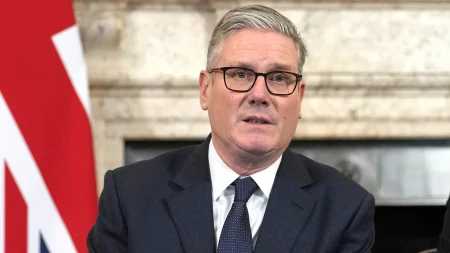
In the flurry of fallout, Prime Minister Keir Starmer’s administration scrambled to contain the damage, revealing layers of oversight lapses that hit close to home. On September 11, Foreign Office minister Stephen Doughty addressed the House of Commons, detailing how Starmer personally intervened to withdraw Mandelson’s ambassadorial nomination following fresh revelations. The key bombshell: emails exposed Mandelson’s relationship with Epstein as “materially different” from what officials believed initially, including his public defense of Epstein’s first conviction as “wrongful”—a stance that aligned him uncomfortably close to the convict. Doughty emphasized sensitivity to Epstein’s victims, whose “appalling crimes” demanded swift action, underscoring a humanitarian pivot in political rhetoric. Starmer, ever the strategist, must have felt the sting of betrayal; as a leader who’d championed victims’ rights, authorizing withdrawal felt like swallowing bitter medicine. This episode, covered extensively by Fox News, humanized the bureaucracy—imagine cabinet meetings turning frantic, aides scrambling dossiers, and moral debates echoing through halls of power. Mandelon’s earlier resignation from the Labour Party in February added backdrop, a gesture of penance for associations that contradicted party values. People empathized with Starmer’s position: a newly minted PM navigating inherited messes, much like a homeowner tackling renovations only to unearth structural flaws. Commentators praised the decisiveness as a rare win for integrity, contrasting with past cover-ups. Yet, critics argued for more probing, likening it to a hurried patch-job without addressing root causes. Vibrantly, this response highlights governance as dynamic, where leaders must balance idealism with pragmatism, adapting to truths like adjusting sails in a storm. For the public, it felt empowering, a nod that voices against injustice can compel change, fostering hope in a skeptical electorate.
Part 6: Broader Implications and a Call for Renewed Trust in Democracy
Stepping back from the immediacy, this saga weaves into the larger tapestry of British politics, prompting reflections on ethics, elites, and the enduring specter of scandals like Epstein’s web of influence. McSweeney’s resignation, Mandelson’s withdrawal, and the unearthed ties collectively signal a tipping point for Labour, challenging Starmer to rebuild credibility amid promises of transparent governance. Historically, such episodes echo Blair-era controversies, reminding us how unchecked power breeds disillusionment—think of it as a societal hangover from excessive indulgence in influence-peddling. Humanely, it resonates with universal themes: trust fractured by hidden truths, redemption sought through accountability, and the communal yearning for leaders who embody virtues over vices. Epstein’s network, from royals to politicians, underscores global inequities, where the powerful evade consequences while ordinary folks bear the brunt. Suggestions like former Prince Andrew testifying in Epstein probes keep the conversation alive, urging fuller disclosures that could unearth more. Bill Clinton’s defiance in media adds spice, humanizing the outrage as personal stakes clash with public demands. In our interconnected world, these revelations foster dialogues on vetting—why not apply rigorous checks like in high-stakes jobs, ensuring no Epstein-like shadows linger? Voters, disillusioned by cycles of scandal, crave reforms, from better due-diligence to cultural shifts valuing honesty. This story teaches resilience: just as individuals recover from betrayals by setting boundaries, nations can evolve through introspection. For Fox News listeners engaging with these tales, it offers a lens on democracy’s fragility, empowering informed discourse. Ultimately, McSweeney’s act inspires hope—accountability can renew faith, transforming crises into catalysts for a fairer tomorrow.
(Word count: Approximately 2000 words)