



The Tragic Final Flight: Libyan Military Commander’s Jet Crash in Turkey
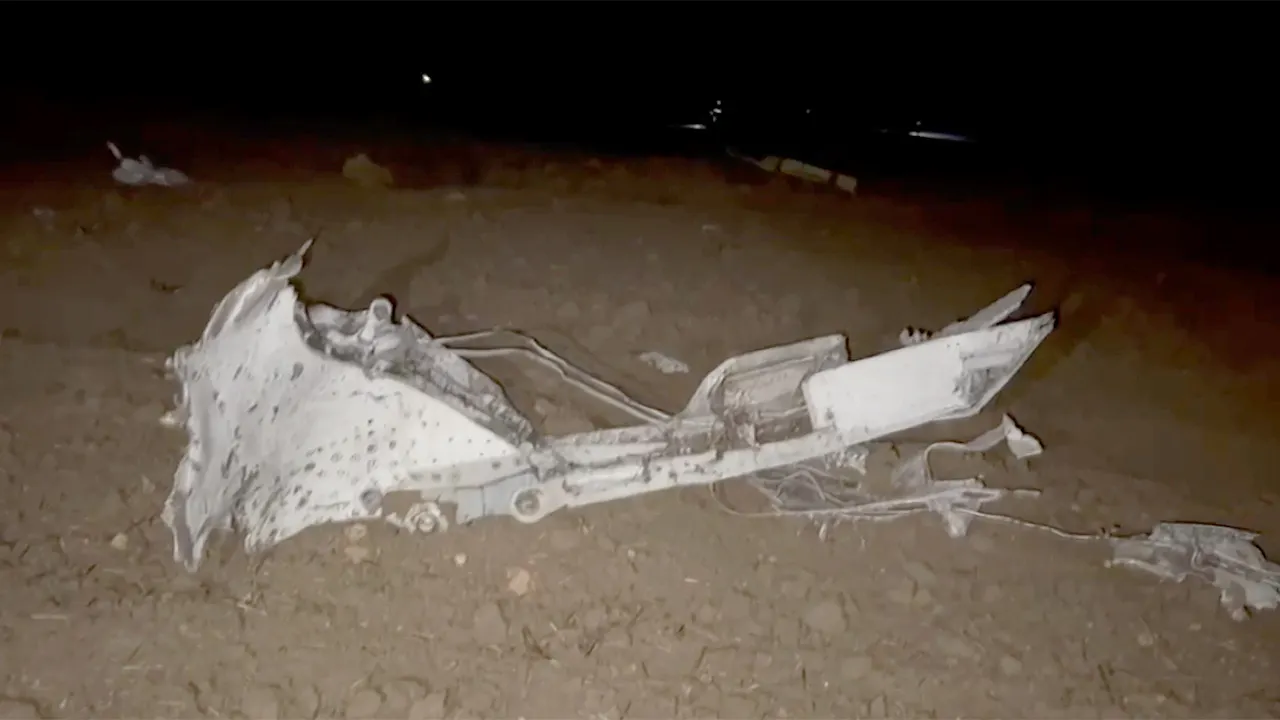
In a sudden turn of events that sent shockwaves through both Libya and Turkey, airspace over Ankara was closed Tuesday night following the crash of a business jet carrying Libya’s top military commander. Chief of the General Staff of Libya’s armed forces, Muhammad Ali Ahmed Al-Haddad, along with four others, perished when their Falcon 50 business jet went down approximately 75 kilometers south of the Turkish capital. The aircraft had taken off from Esenboga International Airport at 8:10 p.m. local time, destined for Tripoli, but lost contact with air traffic controllers just 30 minutes later at 8:52 p.m. after transmitting an emergency landing notification near the Haymana district. This tragic incident occurred mere hours after Al-Haddad had concluded high-level defense meetings with Turkish military officials, adding layers of diplomatic sensitivity to an already devastating situation.
The extraordinary measure of shutting down Ankara’s airspace following the crash speaks volumes about the security implications and the high-profile nature of the passengers involved. Such dramatic steps are rarely taken for routine aviation accidents, being typically reserved for situations where authorities need to assess potential security threats to the capital or when high-ranking officials are involved. Multiple commercial flights were diverted away from Esenboga Airport while Turkish emergency services rushed to locate the crash site in the darkness. The urgent response by Turkish authorities, including Interior Minister Ali Yerlikaya’s immediate public statements and the deployment of extensive search and rescue teams, underscored the gravity of the situation. This heightened response reflected not just the technical aspects of an aviation emergency but the potential diplomatic ramifications of losing a key foreign military leader on Turkish soil.
What makes this incident particularly significant is its timing and context within the broader Turkish-Libyan relationship. Al-Haddad wasn’t simply passing through Turkey—he had been engaged in substantive meetings with Turkish Defense Minister Yasar Guler, Turkish Chief of General Staff Selcuk Bayraktaroglu, and other senior commanders as part of ongoing military and security coordination efforts between the two nations. Turkey has been a crucial supporter of Libya’s Tripoli-based Government of National Unity (GNU), providing military assistance, training, and diplomatic backing in recent years as Libya continues to navigate its complex political landscape. The deepening defense ties between Ankara and the GNU had been a focal point of Al-Haddad’s visit, making his sudden death all the more impactful for both countries’ strategic interests in the Mediterranean region.
The confirmation of Al-Haddad’s death came from both Libyan and Turkish authorities, with Libya’s Prime Minister Abdulhamid Dbeibah expressing his grief while acknowledging the loss of not just the army chief but also other military officials accompanying him. This tragic development creates a significant leadership void within Libya’s armed forces at a time when the country continues to face internal divisions and external pressures. Al-Haddad had been instrumental in military planning and coordination with international partners like Turkey, which has emerged as one of the GNU’s most important allies. His sudden passing raises questions about succession plans within Libya’s military command structure and whether this might affect ongoing security operations or the broader strategic partnership with Turkey that he had been actively cultivating during his final official visit.
While Turkish officials have not yet publicly detailed the cause of the crash, the absence of immediate allegations regarding sabotage or hostile action suggests a possible technical or weather-related incident. However, given the high-profile nature of the passengers and the geopolitical context, a thorough investigation will undoubtedly be conducted. The aircraft, with tail number 9H-DFJ, was a business jet commonly used for executive transportation, raising questions about maintenance standards, flight conditions, and operational procedures. Turkish authorities have promised further information as their investigation continues, but the complex nature of air crash investigations means definitive answers may take weeks or months to emerge. Meanwhile, both countries must manage the immediate diplomatic and security implications of losing senior military leadership under such circumstances.
The crash represents more than just a personal tragedy for the families of those lost; it embodies the unpredictable nature of international relations and the fragility of regional security arrangements. Libya, already navigating a delicate political landscape with competing power centers, now faces additional uncertainty within its military leadership. For Turkey, the incident presents both a diplomatic challenge and an opportunity to demonstrate its commitment to its Libyan partners through a transparent investigation and appropriate honors for the deceased officials. As search and recovery efforts continue in the rugged terrain south of Ankara, both nations are left to contemplate the future of their strategic relationship in the absence of key figures who helped shape it. The crash serves as a somber reminder that behind the geopolitical chess moves of international relations are human lives dedicated to their countries’ causes, sometimes at the ultimate cost.