






Japan’s First Female PM Calls for Snap Election to Solidify Power
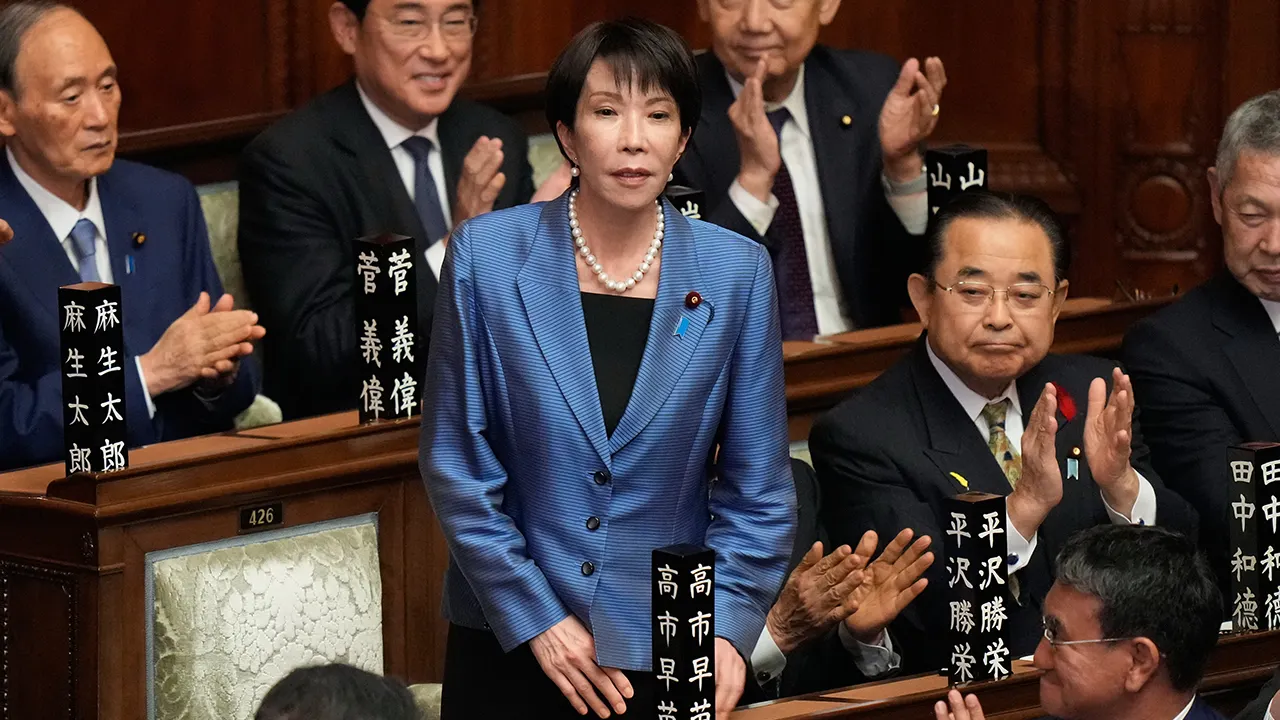
In a bold political gambit, Japanese Prime Minister Sanae Takaichi is preparing to dissolve Parliament’s lower house as early as January, setting the stage for a snap election that could strengthen her position at the helm of Japan’s government. As Japan’s first female prime minister, elected in October 2023, Takaichi hopes to capitalize on her current approval ratings of around 70% to secure a stronger mandate for her conservative agenda. The announcement came through Shunichi Suzuki, secretary general of the ruling Liberal Democratic Party (LDP), who informed reporters that Takaichi plans to dissolve the chamber “soon” after it convenes on January 23. While no specific date has been set for the election, Takaichi is expected to outline her strategy in a news conference on Monday, potentially setting up a vote as early as February 8.
The timing of this political maneuver appears strategically calculated. Takaichi’s LDP and its coalition partners currently hold only a slim majority in the lower house following losses in the 2024 election. By calling an early election, the prime minister aims to expand her party’s parliamentary presence and strengthen its position alongside its new junior coalition partner, the Japan Innovation Party. This conservative alliance formed after the centrist Komeito party withdrew from the ruling bloc, citing disagreements over Takaichi’s ideological positions and her approach to anti-corruption reforms. Opposition lawmakers have criticized the prime minister’s plan, arguing it would delay urgent parliamentary debate over the national budget, which requires swift approval before the fiscal year begins in April. Nevertheless, Takaichi appears determined to secure a fresh mandate that would make it easier for her governing bloc to pass the budget and advance other key legislation.
Takaichi has emerged as a distinctive figure in Japanese politics, described by some Japanese and international media as an ultraconservative hardliner with hawkish and nationalistic views. Her political agenda focuses on several key priorities, including “proactive” fiscal spending and an accelerated military buildup under the new coalition arrangement. She has consistently backed strengthening Japan’s defense posture and has positioned herself as a vocal critic of China’s increasing regional assertiveness. Notably, Takaichi supports constitutional revisions that would expand the role of Japan’s Self-Defense Forces, potentially marking a significant shift in the country’s post-World War II security posture. Her Cabinet has already approved a record 122.3 trillion yen ($770 billion) budget that includes measures to fight inflation, support low-income households, and boost economic growth in a country facing demographic challenges and economic stagnation.
The prime minister’s decision to call for a snap election comes at a time of increasing regional tensions and diplomatic challenges. Just days before the announcement, Takaichi met with South Korean President Lee Jae Myung in Nara for a summit aimed at strengthening bilateral ties between the two East Asian democracies. This diplomatic engagement occurred against the backdrop of rising trade and political tensions with China, exacerbated by Takaichi’s recent remarks on Taiwan that reportedly angered Beijing shortly after she took office. The geopolitical context of Northeast Asia, where China’s growing military and economic influence increasingly challenges the U.S.-led regional order, makes Takaichi’s security-focused agenda particularly significant. Her approach aligns with efforts by Japan and other regional allies to counter Chinese assertiveness while maintaining economic relationships with the region’s largest economy.
On the domestic front, Takaichi faces the challenge of addressing Japan’s persistent economic issues while navigating the political landscape. Known for her ultraconservative positions on social issues, including gender and sexual diversity, she represents a distinct ideological position within Japanese politics. Her economic policies emphasize fiscal expansion rather than the austerity measures advocated by some economic advisers, reflecting her belief in government spending as a tool for economic revitalization. This approach comes as Japan continues to struggle with demographic decline, deflationary pressures, and a massive public debt. By calling for a snap election, Takaichi appears to be seeking a mandate not just for her security policies but also for her economic vision, which includes substantial government intervention to stimulate growth and address social inequalities exacerbated by decades of economic stagnation.
The upcoming election will be a crucial test for both Takaichi and her LDP, which has dominated Japanese politics for most of the post-war period but has faced increasing challenges from emerging political forces. The prime minister hopes to reclaim conservative voters who have been drawn to populist parties in recent elections, consolidating support for her traditionalist vision of Japanese society and governance. If successful, the election could provide Takaichi with the political capital needed to implement significant policy changes across economic, security, and social domains. As Japan’s first female prime minister navigates these challenging political waters, the outcome of her gambit will have profound implications not just for Japan’s domestic politics but also for its role in an increasingly complex regional security environment. The world will be watching closely as this historic leader seeks to transform her unprecedented position into lasting political power and policy influence.