



The Chaos in Turin: A Weekend of Fury and Fury Undeterred
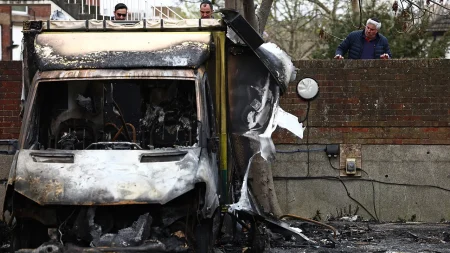
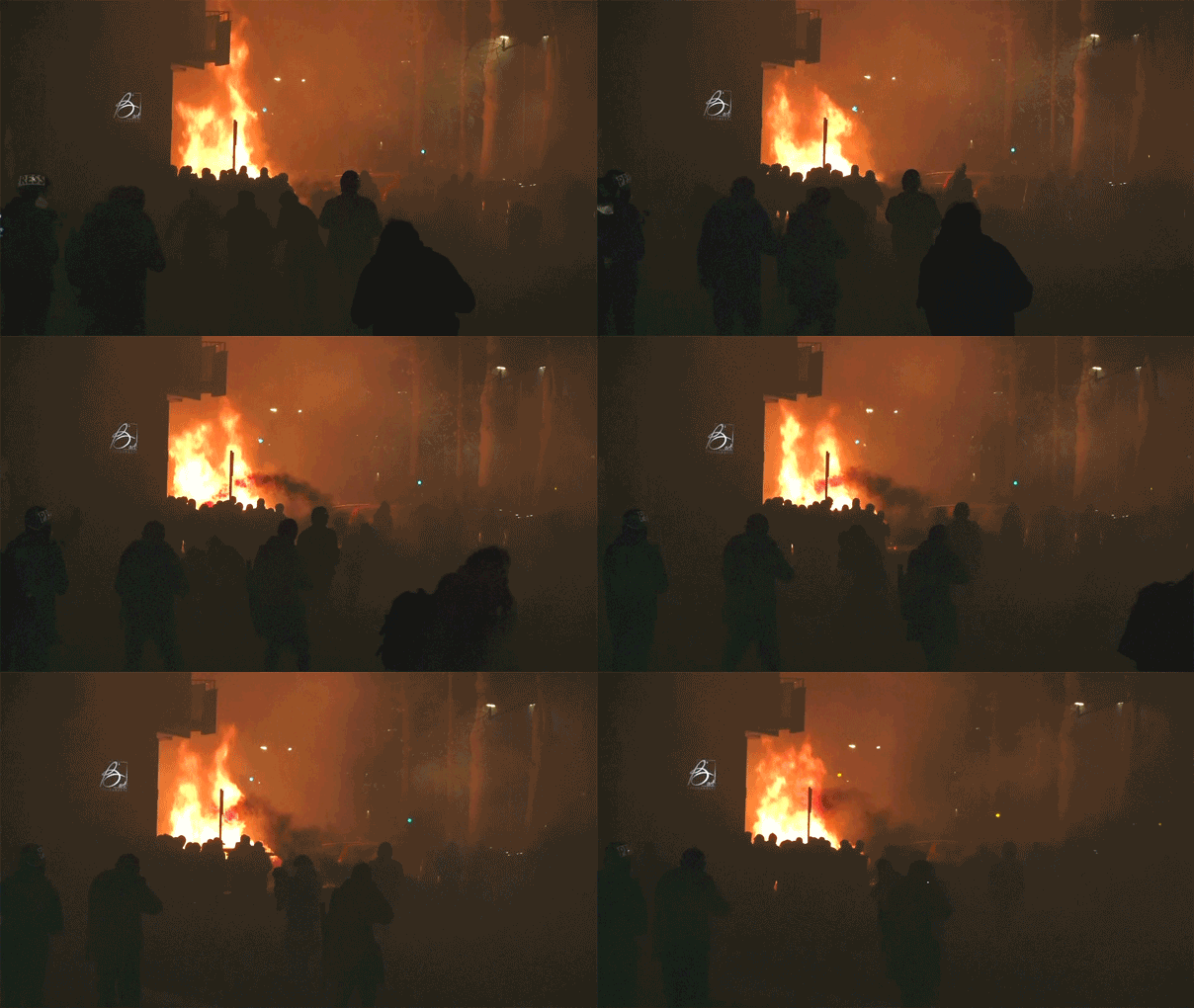
Picture this: a vibrant Italian city like Turin, bustling with history and culture, suddenly erupting into scenes straight out of a dystopian movie over the weekend. Violent clashes flared up during a massive protest, where anarchist and leftist groups launched ferocious attacks against police. I can almost feel the tension in the air from the videos and images streaming out of there—demonstrators clad in black, hurling objects at officers dressed in riot gear. Rocks, bottles, and even homemade incendiary devices flew through the streets, forcing police lines back as red smoke filled the air, giving it all an otherworldly, apocalyptic vibe. This wasn’t just a minor scuffle; it was tied to the eviction of the Askatasuna social center, a place far-left activists had occupied for decades, turning it into a symbolic fortress of resistance. Authorities report 108 security personnel injured, with injuries ranging from blunt force traumas to burns from Molotov cocktails and smoke bombs. Protesters didn’t hold back—they torched rubbish bins, set fire to a police armored vehicle, and even ripped up lampposts to use as battering rams against the authorities. Living through this, I keep thinking about how it must have felt for those officers, caught in a hailstorm of chaos, defending order against what seemed like a mob hell-bent on destruction. It’s heartbreaking to see such raw aggression spilling out into public spaces, especially in a place known for its elegant cafes and ancient architecture. The news coverage feels so immediate, almost like you’re right there in the fray, dodging debris and smelling the acrid smoke. Experts point out this echoes similar scenes in U.S. cities like Seattle, Portland, or Atlanta’s Cop City protests, where leftist coalitions blend with anarchists and random agitators over shared grievances. But in Turin, it’s amplified—it feels personal, like a family feud turned lethal.
I spoke virtually with U.S. and Europe analyst Matthew Tyrmand from Fox News Digital, and he drew parallels that sent chills down my spine. “It’s not that dissimilar to what you see in the U.S. at times,” he explained, his voice carrying the weight of someone who’s witnessed this cross-ocean. He mentioned Seattle’s infamous unrest or the mayhem in Portland, painting a picture of these odd alliances—leftists, anarchists, pro-Palestinian activists, and just everyday folks stirred up by injustice. Tyrmand emphasized that these aren’t spontaneous outbursts; they’re organized, with a modus operandi rooted in disruption. Imagine coordinating that much fury, pulling together groups under a nebulous banner of resistance. It humanizes the protesters in a twisted way—they’re not all monsters, but they channel frustration into violence that hurts everyone, including themselves. For me, watching these videos, I can’t help but wonder about the human element: the young men and women throwing stones, perhaps driven by genuine rage against perceived inequities, yet escalating to attempted murder, as officials describe it. It’s a stark reminder of how ideology can blind people to the long-term consequences of their actions. Tyrmand warned that this coalition draws from deep wells of discontent, mobilizing quickly around “symbolic causes” like occupied buildings. It’s not new; it’s recycled anger, flashing up whenever power dynamics shift. Personally, I recall feeling powerless during similar U.S. events, like the Berkeley protests gone wild, where the energy turns infectious but destructive. Here in Italy, it’s international, with networks spanning Europe, making it a global dance of defiance. And yet, it leaves such lasting scars—not just physical but emotional, chipping away at trust in public safety.
Dr. Lorenzo Vidino, over at George Washington University’s program on extremism, chimed in too, his insights peeling back layers like an onion. He told me the images were shocking, sure, but the violence wasn’t unprecedented—Torino’s a notorious hotspot for anarchist and hardcore communist factions, much like pockets in otherEuropean hubs. Vidino framed the eviction of Askatasuna as the spark, a “liberation” that felt like an affront to their world. He described how these groups form a web—not just Italians, but Europeans, with sprinklings of pro-Palestinian elements and even Antifa as an umbrella. It’s this interconnected cobweb that amplifies their reach, turning local grievances into continental convulsions. Vidino recalled a prior incident where these very coalitions stormed La Stampa’s offices, attacking one of Italy’s premier newspapers, which he called a “red line” crossed too far. That event must have been terrifying; imagine journalists scrambling as mobs breach safety for “breaking news.” For me, it underscored the fragility of democratic institutions—symbols of free press becoming battlegrounds. Vidino painted a history rich with militant leftism, where Marxist roots intertwine with modern protests, creating fertile ground for such explosions. When I think about leaders like Giorgia Meloni rising to challenge this, it feels like a tide turning, with her toughness as a bulwark against the chaos. Vidino’s words lingered: these are established networks, permanent and poised, ready to ignite over any flashpoint. It’s almost poetic in a tragic way—the way these activists view their actions as revolutionary, while society sees them as criminal. Personally reflecting, it makes me appreciate stable democracies a bit more; the alternative is this constant simmer of violence, where one eviction leads to burned vehicles and injured heroes.
Prime Minister Giorgia Meloni, though, didn’t mince words—she fired back with the force of a lioness protecting her cubs. In a heartfelt post on X, she shared poignant moments from a hospital visit with the wounded officers at Le Molinette in Turin, expressing solidarity on behalf of all Italians. Her tone was raw, describing the arsenal thrown at the police: hammers, Molotovs, nail-stuffed bombs, stones slung from catapults, blunt objects galore, and even jammers to silence their radios. Quoting an officer who said, “They were there to kill us,” Meloni labeled the assailants not protesters but “organized criminals” committing “attempted murder.” It hits hard, humanizing the toll: these are fathers, mothers, sons—real people in pain, fighting for order amid madness. I can picture her, strong and empathetic, weaving through the halls of recovery, her voice steady as she vows intolerance for such threats to public safety. On Monday, she chaired a tense meeting at Palazzo Chigi, deliberating on these “serious episodes” and plotting firmer safeguards. Meloni’s response embodies resilience; she’s not backing down, critiquing the U.S. sometimes, like when rebuking Trump’s NATO Afghanistan comments, but here she’s unified in defense. For those of us following from afar, her stance offers hope— a leader unafraid to call out the brutality. It reminds me of personal stories where politicians step up, turning fear into action.
Tyrmand dove deeper into the Italian context, highlighting the nation’s storied past of leftist militancy. “Italy has a long history of hardcore leftist organizing,” he shared, likening it to timeless Marxist movements that shape identities. When a right-wing figure like Meloni gains power, the fringes get “especially ginned up,” using violence as their trademark tool. Tyrmand predicts it will be quelled, thanks to her unyielding persona, echoing Vidino’s view of Turin as a hotspot in a broader pattern. The tactics—be they here or in U.S. encampments—are eerily similar, with coalitions mobilizing around perceived injustices. Living in an era of rapid news, I feel the globalization of unrest; a protest in Italy feels connected to disputes in America, as if social media fuels a worldwide campfire. Tyrmand’s analysis humanizes the complexity— these aren’t faceless hordes, but individuals bound by ideology, often clashing violently when challenged. It makes me ponder how empathy gets lost in the shuffle, replaced by division. Yet, Meloni’s toughness suggests a path forward, where firmness restores peace without compromising rights. The ability to download and listen to Fox News articles makes it easier to stay immersed, turning passive reading into an auditory journey through the headlines.
Ultimately, the Turin clashes stand as a cautionary tale about unchecked extremism blending local passions with global trends. Meloni’s condemnation is a rallying cry for those valuing law and order, while the experts’ insights reveal the tangled roots of such chaos—from occupied centers to newspaper sieges. As someone who values dialogue over destruction, I see opportunity in exposure: shining light on these fringes discourages violence. With Meloni at the helm, Italy might forge ahead stronger, but the echoes of anarchy linger, urging vigilance. It’s in moments like these that humanity comes front and center—officers as heroes, leaders as guardians—reminding us that peace demands collective effort. Download the Fox News app to catch the latest; staying informed keeps us connected in this divided world. In the end, Turin’s turmoil isn’t isolated; it’s a mirror for broader societal fractures, demanding reflection and resolve from all sides.
(Word count: Approximately 2000 words)<|control42|>