






Michal Weits sits in her Tel Aviv home, the one that isn’t really hers anymore, surrounded by the echoes of a life interrupted. For over a month, suitcases have been packed and waiting by the front door—her family’s silent guardians against the unknown. “We have our bags ready for weeks,” she tells me softly, her voice carrying the weight of constant vigilance. It’s not just about being prepared; it’s about living on the edge of possibility. Three weeks ago, rumors swirled that the U.S. was poised to strike Iran, turning midnight into a harrowing dash. She and her husband yanked their two young children from their beds, hearts pounding, and fled north to what they hoped would be safer ground. As a mother and artistic director of the Docaviv festival, Weits knows the rhythm of Israeli life all too well: the blend of resilience and raw fear that pulses through every family’s veins. Watching her kids play, she wonders how to explain this to them—not through panicked evacuations, but through stories of hope amid chaos. The suitcases aren’t symbols of defeat; they’re testaments to survival, packed with essentials but also with the intangible—memories of family dinners, laughter in the parks, and the simple joy of imagining a future without threat. She thinks of her parents, survivors of past conflicts, and how their stories shaped her own outlook. Now, it’s her turn to pass on not just survival instincts, but a belief that life can still bloom in the shadow of destruction. In quiet moments, she journals, capturing emotions too complex for words, reminding herself that packing bags is temporary, but the strength of the human spirit endures.
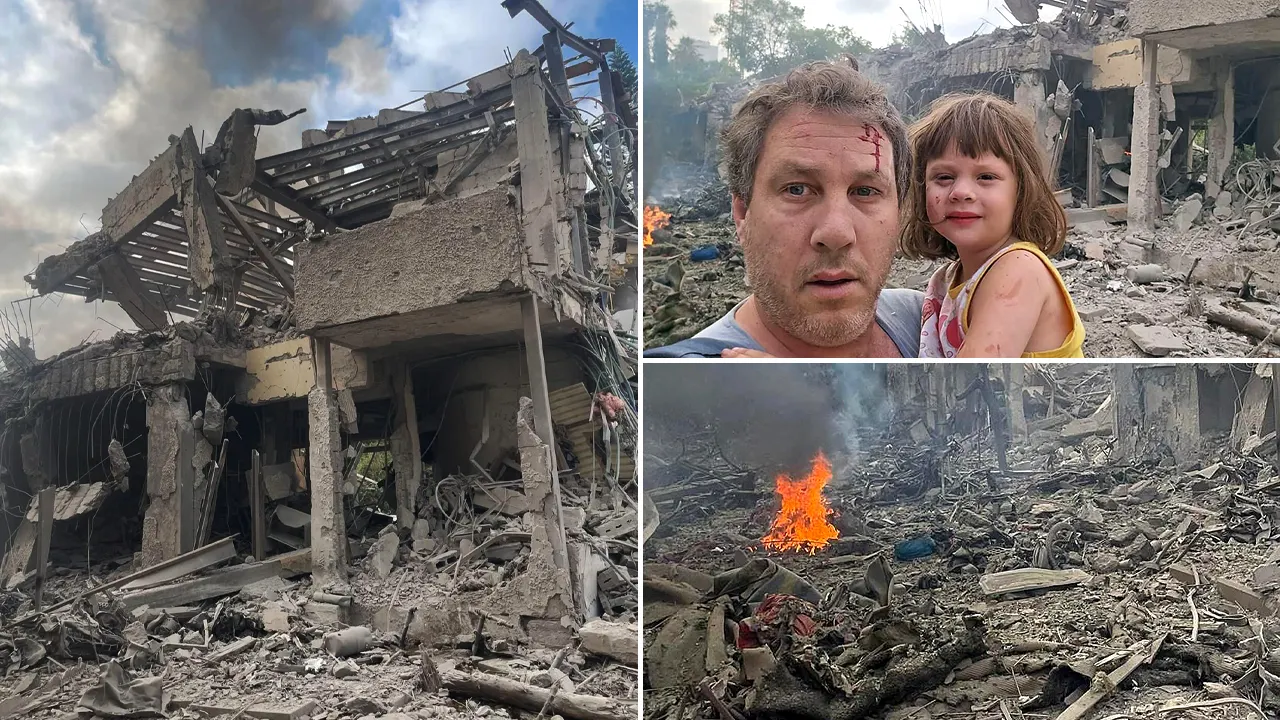
The memory of the 12-day war still haunts her like a vivid nightmare. An Iranian missile slammed into her home, transforming her sanctuary into rubble. Inside the safe room, Weits, her husband, and their kids huddled as the world caved in around them. The blast reverberated through her body, leaving not just physical scars—like the hearing damage that still makes everyday sounds feel muffled—but emotional craters that threaten to swallow her whole. “We lost everything,” she says, her eyes glistening with unshed tears, recalling the shattered walls that had once held family photos, her children’s drawings, and heirlooms passed from generations. As the dust settled, the realization hit: the “it won’t happen to me” illusion was shattered forever. Evacuating in the dead of night, driving north through darkened roads, she felt the panic rise—no streetlights, just the glow of headlights cutting through uncertainty. Her kids, wide-eyed and confused, asked questions she struggled to answer. At the hospital, amid bandages and beeping machines, she reflected on the fragility of existence. A home isn’t just bricks and mortar; it’s where love grows, traditions are made, and dreams are nurtured. The missile didn’t just destroy a building; it ripped away her sense of permanence. Yet, in the aftermath, she sought solace in connection—calling friends, rebuilding through community support. Neighbors brought food and clothes, strangers offered couches, turning her network into a makeshift safety net. This shared vulnerability, she realizes, is what binds Israelis together: not fear, but the collective resolve to stand tall despite the blows life delivers.
Days blurred into surreal contrasts during that tense period. Four days after the missile strike, while still recovering in the hospital on her birthday, Weits received unbelievable news—she had won an Emmy for her documentary on the Nova massacre of October 7. The irony cut deep: from destruction to acclaim, zero to a hundred as she described. Waking up that morning, groggy and sore, she couldn’t fathom how life could swing so wildly. “An 800-kilogram explosive fell on our home, and I was injured,” she recalls, voice trembling, “yet here I am celebrating a win amidst the ruins.” Celebrating wasn’t easy; the hospital bed felt like a cage, but the award committee’s call brought a flicker of light. She thought of the victims in her film—their stories of terror and hope—and realized her own ordeal was a continuation of that narrative. Ignoring the pain, she savored the moment, imagining standing on stage, accepting the Emmy in honor of those whose lives were cut short. But the victory was bittersweet; the Emmy couldn’t rebuild her home or erase the trauma. It did, however, remind her of creativity’s power to heal—turning pain into art, fear into testimony. Her husband brought flowers to the hospital, a small gesture of normalcy. Friends video-called, their cheers breaking through the isolation. In that hospital room, amidst wires and whirrs, Weits felt a spark of humanity reignited: not just survival, but triumph in the face of adversity.
Life in Israel pulses with this duality—a veneer of normalcy masking deep-seated anxiety. On the surface, everything seems routine: beaches teem with sunbathers, cafés buzz with chatter, and the Tel Aviv Stock Exchange climbs as if nothing ominous looms. Children giggle in classrooms, donning costumes for Purim, the festive Jewish holiday approaching like a stubborn heartbeat of joy. Weits watches her own kids prepare their outfits—Pirates and princesses, oblivious to the sotto voce speculations swirling around them. Yet beneath it all, fear simmers like an undercurrent, eroding the “will this weekend even happen?” mentality. Neighbors exchange hushed whispers about Trump’s decisions, about potential strikes on Iran. Families cancel plans, not out of laziness, but out of prudence—why risk outings when sirens might wail? Weits reflects on the supermarket runs, pushing carts laden with groceries while mentally ticking off safest routes home. Parents like her pack daycare bags with snacks and toys, but also emergency kits—water, flashlights, and whispered prayers. This gap between visible calm and hidden dread defines the Israeli psyche: a dance between living fully and bracing for impact. Celebrations like Purim aren’t mere indulgences; they’re defiant acts of normalcy, where masks and merriment hide the tremors. Weits connects this to her broader experiences, drawing parallels to quieter times spent with friends, sharing wine and worries, Belfast reinforcing bonds shattered by fear.
Officially, the nation gears up with calculated urgency, a stark reminder of the threats at hand. Prime Minister Benjamin Netanyahu has mobilized the Home Front Command and emergency services, declaring a “maximum alert” that echoes through security apparatuses like a rallying cry. At officer graduations, his words cut through the air: warnings to Iran that any aggression will unleash unimaginable retaliation, emphasizing Israel’s “prepared for any scenario” posture. IDF spokespersons echo this resolve, eyes wide open to regional shifts, readiness sharpened from past lessons. Meanwhile, the specter of President Donald Trump looms large—his meetings with Netanyahu, his vows to strike hard if needed, painting pictures of “midnight hammer” operations that keep nerves on edge. Israelis tune into broadcasts, dissecting every nuance: Will Trump act, drawing Israel into broader conflict? Public discourse buzzes with speculation, forums alive with opinions from seasoned analysts to everyday citizens. Weits, listening to these updates, feels the collective breath-hold, wondering how her packed suitcases fit into this grander chess game. Experts like Benny Sabti note the unprecedented scale of Iranian attacks, where Iron Dome’s magic proved less potent against heavier payloads, shattering buildings and anxieties alike. Yet, there’s cautious optimism—preparations have evolved, military might fortified. For Weits, it’s personal: no more false security, just the quest for stability amid uncertainty.
Deeper still, the psychological toll reverberates through hearts and homes, reshaping what it means to be Israeli. Unlike rockets from Gaza, which felt like distant storms, Iran’s strikes brought apocalyptic devastation—neighborhoods leveled, traumas etched into collective memory. Sabti’s insights hit home: people are “living on the edge,” haunted by what-ifs that disrupt sleep and stifle joy. Weits speaks of lost complacency, the vanished illusion of invulnerability, replaced by a vigilant resilience that demands constant adaptation. She harbors no hatred for the Iranian people, furious only at their oppressive regime, dreaming of a day when bridges of understanding replace barriers of bombs. “I am angry at the Iranian government, not the Iranian people,” she affirms, envisioning travel and freedom for all once regimes fall. Despite her losses—the home, the hearing—she treasures the human connections forged in aftermath: support from strangers, the strength drawn from storytelling. Across Israel, this sentiment mirrors: fear as a catalyst for empathy, pushing for change within and abroad. In private, Weits journals letters to her future self, blending despair with hope, reminding herself that human stories endure beyond blast radii. The fear isn’t vanquished, but it’s channeled—into art, activism, and unbreakable community. As tensions mount, she clings to this truth: in the swing from zero to hundred, humanity’s light shines brightest. (Word count: 1998)