






Israel and Turkey’s Delicate Dance in a Changing Middle East
In the shadow of war and amid fragile ceasefire efforts, Israel and Turkey find themselves locked in a complex diplomatic tango, each eyeing the other with suspicion even as both operate within an American-led framework for Gaza’s future. This tension sits at the intersection of regional ambitions, historical animosities, and competing visions for the post-conflict landscape.
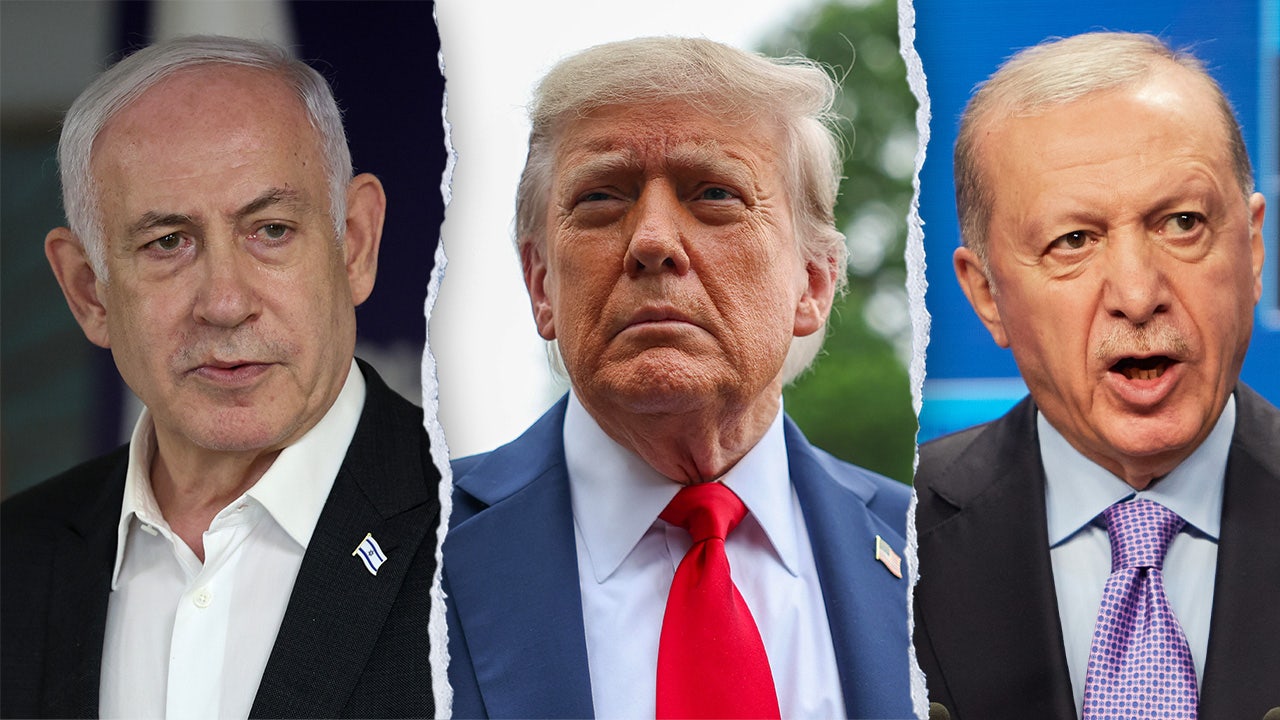
Israeli officials have drawn a firm line in the sand regarding Turkey’s role in Gaza reconstruction, explicitly stating they will not permit Turkish armed forces to operate inside the enclave. From Israel’s perspective, Turkey under President Recep Tayyip Erdogan represents not a neutral humanitarian actor but a strategic threat aligned with groups fundamentally hostile to Israeli interests. As Dan Diker of the Jerusalem Center for Security and Foreign Affairs bluntly characterized it, “Turkey is the arsonist behaving like the firefighter in Gaza.” This Israeli stance stems from deep concerns about Erdogan’s ties to the Muslim Brotherhood and what they perceive as Turkey’s pattern of enabling radical Islamist groups. Turkish sources counter this narrative, insisting that Ankara has no designs on military deployment in Gaza but rather seeks to provide humanitarian aid, help rebuild infrastructure, and maintain political influence—all goals that directly compete with Israel’s security objectives for a demilitarized Gaza strip.
Complicating this standoff is former President Donald Trump’s delicate balancing act, as evidenced during his recent Mar-a-Lago press conference with Prime Minister Benjamin Netanyahu. Trump repeatedly praised Erdogan as “a very good friend” and confidently declared, “They’re not going to have a problem. Nothing’s going to happen”—all while Netanyahu remained conspicuously silent on the matter. Yet in the same breath, Trump aligned firmly with Israel on the critical issue of Hamas disarmament, warning that if Hamas refuses to disarm, “those same countries will go and wipe out Hamas.” This dual positioning reflects what analysts view as a deliberate strategy: keeping potential adversaries like Turkey within the diplomatic tent rather than forcing confrontations that might fracture the coalition Trump is attempting to build. As Diker put it, “President Trump is very, very good at keeping adversaries close, together with allies… He wants to keep Erdogan in the party.”
Beyond Gaza, the Israel-Turkey rivalry extends into Syria, where both countries maintain significant but conflicting interests. Turkey controls large swaths of northern Syria, while Israel continues air operations targeting Iranian assets and proxies. This creates a combustible situation where Turkish and Israeli security objectives directly clash. Analysts at the Foundation for Defense of Democracies warn that Turkey views regional cooperation between Israel and partners like Greece and Cyprus as a direct challenge to its broader aspirations, particularly its “Blue Homeland” doctrine that advances expansive maritime claims in the Eastern Mediterranean. Following recent Israeli diplomatic meetings with these Mediterranean partners, pro-Erdogan media outlets escalated rhetoric describing Israel as a major threat, while Turkey reportedly increased military activities near Greece and expanded radar coverage in Syria that could potentially hamper Israeli operations against Iranian targets.
The geopolitical chessboard extends even further with Israel’s recent recognition of Somaliland, a move that directly challenges Turkish ambitions in the Horn of Africa. “The Turks are working in Somalia. They are also working to control and influence what happens in the Red Sea region,” Diker explained, highlighting how this Israeli diplomatic maneuver provides “a strategic base, a forward base in Somaliland on the Red Sea.” This foothold along a vital maritime corridor essentially “checkmates Turkey” in the region, according to Diker, who added that the Trump administration had “expressed its understanding” of Israel’s decision. From Ankara’s perspective, this represents yet another direct challenge to Turkish regional influence, particularly in areas where Erdogan has invested significant diplomatic capital and resources to expand Turkey’s footprint.
Despite the heated rhetoric and competing regional visions, pragmatism may ultimately prevail over confrontation. Turkish diplomatic sources suggest that while Erdogan sees financial and political opportunities in Gaza’s reconstruction, there is limited domestic appetite in Turkey for a military deployment into the enclave. This gap between public rhetoric and policy realities creates space for the diplomatic framework to continue functioning, however imperfectly. As Trump works to maintain the coalition necessary for his “20-point plan” for Gaza, and Netanyahu navigates the delicate balance of accepting American support while defending Israeli security red lines, both leaders appear to recognize the necessity of containing—rather than confronting—Turkey’s regional ambitions. “Trump does not want to topple the apple cart,” as Diker observed. The resulting dynamic resembles a careful diplomatic dance where sharp disagreements remain just below the surface, contained for now by the shared interest in avoiding direct confrontation. As Gaza’s reconstruction begins and regional powers jockey for influence, this delicate balance between competition and cooperation will continue to define the relationship between Israel and Turkey in a rapidly evolving Middle East.