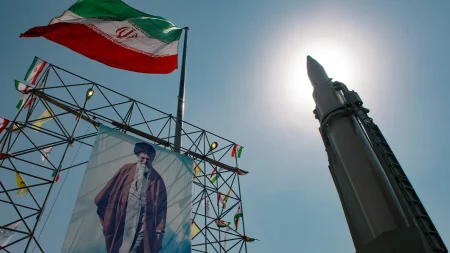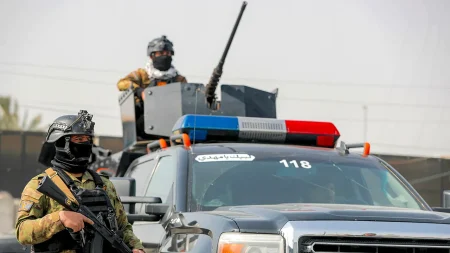



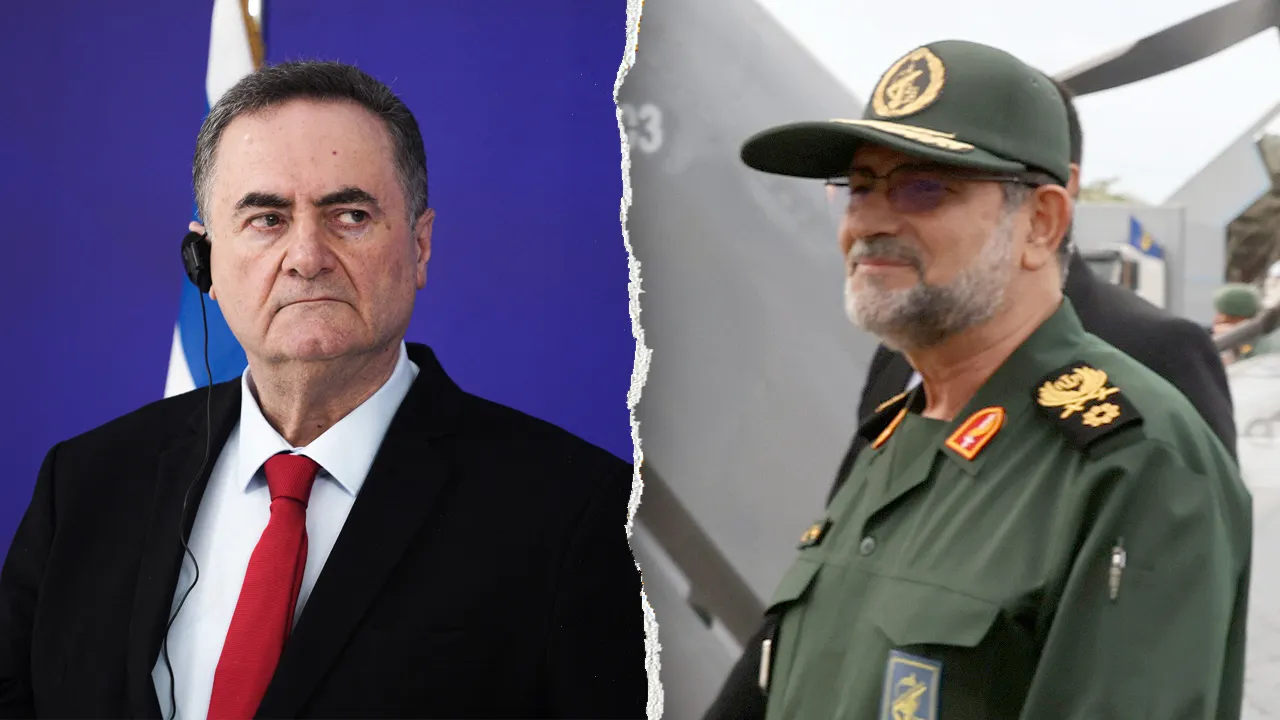
Israel’s Defense Minister Israel Katz revealed a bold strike by the IDF that took out Alireza Tangsiri, the commander of Iran’s Islamic Revolutionary Guard Corps Navy. This wasn’t just any operation; it was a precise hit that Katz described as eliminating a key figure responsible for major disruptions. Imagine the shock across international news—another layer in the escalating tensions between Israel and Iran. Katz’s words cut through the air, emphasizing that this was a message to all high-ranking IRGC officials: you’re not untouchable.
In his statement, Katz praised the IDF for what he called a “perfect execution.” He pointed directly at Tangsiri’s role in mining and blocking the Strait of Hormuz, turning this waterway—a vital chokepoint for global energy—into a hotspot of danger. It’s like shutting down a major highway; it cripples trade and spikes oil prices worldwide. Katz promised that the IDF would keep coming for these leaders, one by one, sending a chill through Iran’s ranks. And here’s the kicker—he tied it to a “historic partnership” with the US, nodding to Donald Trump and Benjamin Netanyahu as allies in this fight.
A senior Israeli official spilled more details to Fox News, highlighting the strike’s precision: Tangsiri and his top lieutenants, including heads of intelligence and operations, were hit at a covert naval command center. What made it possible? Shared intelligence from both the US and Israel. It’s a reminder of how deep these coalitions run—they’re not just allies; they’re leveraging secrets to strike at the heart of threats. This operation underscores Israel’s ability to penetrate even the most hidden Iranian operations, turning the tables on a regime known for its aggressive maneuvers.
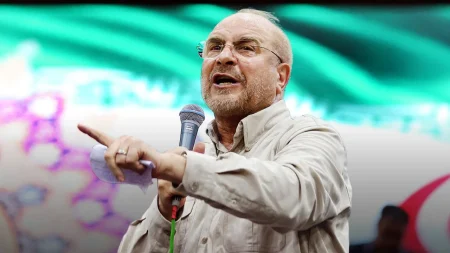
This all traces back to the war President Donald Trump launched with Israel against Iran, kicking off nearly four weeks ago. Picture the context: Iran, facing blows from these allies, is now on its knees militarily, with Trump blasting their “obliteration.” In a fiery Truth Social post, he called their negotiators “very different and ‘strange,'” accusing them of begging for deals while publicly playing coy. It’s a chess game where Trump is holding the upper hand, urging them to get serious before it’s too late.
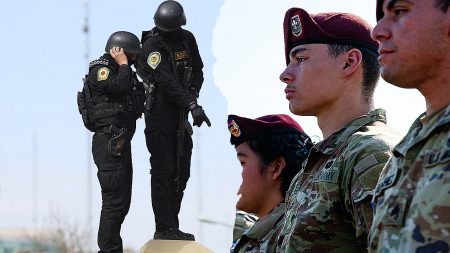
Trump didn’t mince words: “WRONG!!!” he shouted, warning that if they don’t act fast, “there is NO TURNING BACK, and it won’t be pretty!” Listening to him, you get a sense of raw frustration—here’s a leader who’s won on the battlefield and wants to cash in on the victory with a lasting peace. Yet, Iran rejects ceasefires, and the US has moved airborne troops and Marines, heightening fears of boots on the ground. It’s a powder keg, with escalations that could redefine the Middle East.
In the background, Pakistan’s offer to mediate talks echoes, while the US pitches a 15-point Iran peace proposal. Trump paints Iran as desperate, militarily devastated, and out of options. But the divide feels vast—light-years apart, as Fox News noted. Journalists like Yael Rotem-Kuriel bring this home, weaving in updates like the new audio feature for Fox News articles. It’s a story of power plays, alliances, and the human cost of geopolitics, where one strike ripples through nations, reminding us how fragile peace can be. Who knows what comes next in this high-stakes drama? One thing’s clear: the world is watching closely.