






The Long Wait for Closure: Israel Receives Remains of One of the Last Two Gaza Hostages
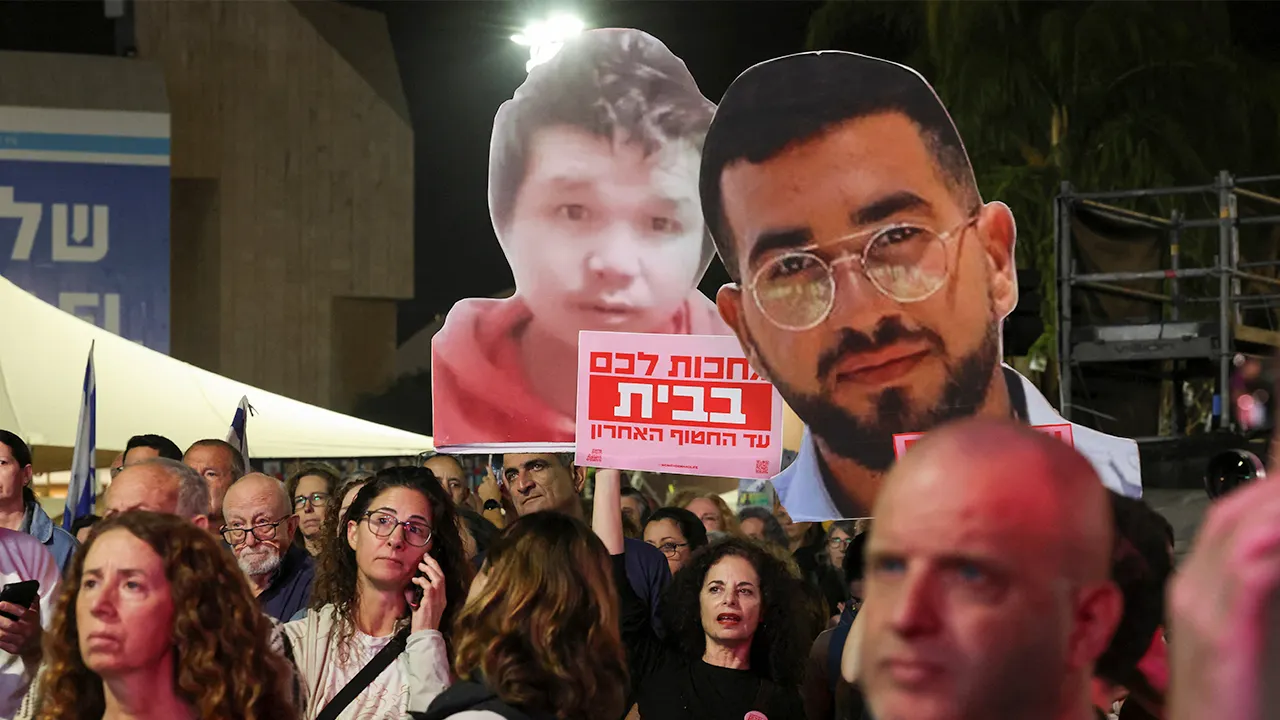
In a somber development nearly 790 days after the October 7, 2023 attacks, Israel received a coffin believed to contain the remains of one of the final two deceased hostages still held in Gaza. The Israel Defense Forces announced that the coffin, transferred from the Red Cross, crossed into Israeli territory and was immediately transported to the National Institute for Forensic Medicine for identification. The remains likely belong to either Ran Gvili, an Israeli police officer from a counter-terror unit, or Sudthisak Rinthalak, a Thai agricultural worker. Both men were killed during the Hamas attacks, and their bodies were taken to Gaza, where they’ve remained as their families endured an agonizing wait for closure that has stretched across two painful years.
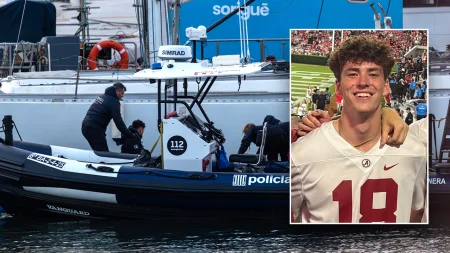
Ran Gvili’s story exemplifies extraordinary courage in the face of danger. On October 7, Gvili was supposed to be resting before undergoing surgery for a broken shoulder. Instead, when violence erupted, he answered the call of duty despite his injury, joining fellow officers to defend others near Kibbutz Alumim. His mother Talik recently shared her heartache in a Fox News op-ed, expressing the unique pain of being among the last families still waiting: “When this nightmare began, there were 255 hostages. Their families became one big family… And now we’re down to the last two in the darkness of Gaza. I’m terrified that after bringing so many home, my Ran will be left behind.” Her words capture the excruciating limbo of hope and despair that hostage families have experienced, with each passing day bringing both the possibility of resolution and the fear of abandonment.
Sudthisak Rinthalak’s story reminds us of the international impact of the October 7 attacks. The 43-year-old Thai national had traveled to Israel to work in agriculture, sending money back to support his family in Thailand. His mother On told Israeli news outlet Ynet about their final conversation just days before the attack: “We asked him to come home to Thailand for a visit. We hadn’t seen him in many years, ever since he went to Israel for work. He told us he wanted to save a bit more money and then come home for good.” This poignant detail – that Rinthalak was planning his permanent return home before tragedy struck – adds another layer of heartbreak to his story. His mother’s words, “I want my son home as soon as possible. I wait for him every day,” speak to the universal language of parental grief that transcends borders and cultures.
The recovery of these remains marks both progress and pain in Israel’s ongoing efforts to bring all hostages home. The previous day, Israel had received remains that forensic testing confirmed did not belong to either Gvili or Rinthalak, highlighting the complicated and often frustrating nature of this process. According to The Times of Israel, a senior Red Cross official described the findings as “small remains, pieces” of a body – a clinical description that belies the enormous emotional significance these fragments hold for waiting families. Each identification process represents both the potential end of uncertainty and the confirmation of a family’s worst fears, a paradoxical moment where closure comes hand-in-hand with final grief.
This development occurs against the backdrop of a larger hostage crisis that has defined much of the past two years for Israeli society. When Hamas attacked on October 7, 2023, approximately 255 people were taken captive. Since then, through various means including military operations, negotiations, and international mediation, most hostages have either been rescued or their remains recovered. Yet the process has been agonizingly slow for families, who have formed tight-knit support networks to sustain each other through each development. As Talik Gvili expressed, “Every time someone returned, there was a feeling that part of us came back” – a sentiment that captures how the hostage families have come to view themselves as part of a collective journey toward resolution.
The return of these remains represents not just a personal milestone for one family but a significant moment in Israel’s national trauma response. For a country deeply committed to the principle that no soldier or citizen should be left behind, the recovery of the final hostages carries profound symbolic weight. While forensic identification will determine which family receives closure today and which must continue waiting, the delivery of this coffin to Israeli soil marks another step in a painful national healing process. As attention now turns to the final outstanding case, the words of hostage families continue to remind the world of the human cost behind the headlines – of broken shoulders and planned homecomings, of mothers waiting by phones, and of communities forever changed by a single day of violence nearly 800 days ago.