



Netanyahu Seeks Meeting with Trump Amid Growing Iranian Threat
In the shadow of escalating tensions in the Middle East, Israeli Prime Minister Benjamin Netanyahu is actively pursuing a meeting with President Donald Trump, as Israeli officials sound the alarm over recent Iranian military exercises. The concern? These drills could potentially serve as cover for a surprise attack against Israel, adding fresh urgency to discussions about Iran’s nuclear ambitions and military posture. The anticipated meeting, reportedly scheduled for December 29, comes at a critical moment when regional stability hangs in the balance. This development reflects the continuing complexity of Middle Eastern geopolitics and the enduring strategic partnership between the United States and Israel in confronting shared threats.
U.S. Ambassador to Israel Mike Huckabee publicly reinforced these concerns during his address at the Israel Institute for National Security conference. He emphasized that Iran’s nuclear ambitions pose a direct threat not only to Israel but also to the United States and Europe. Huckabee highlighted Trump’s unwavering position on Iran, stating, “All I can do is point out to you what the president has said repeatedly, and he consistently has said Iran is never going to enrich uranium, and they’re not going to have a nuclear weapon.” The ambassador didn’t mince words about the broader implications of the Iranian threat, adding that it “presents a real threat to all of Europe,” even going so far as to question European intelligence if they failed to recognize this danger. His frank assessment underscores the frustration felt by some American and Israeli officials regarding what they perceive as insufficient European concern about Iran’s activities.
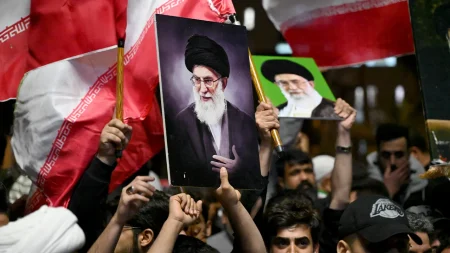
Huckabee’s remarks at the conference suggested that Iran may not have taken American warnings seriously until recent U.S. military action. “I don’t know that they ever took him seriously until the night that the B-2 bombers went to Fordow,” he noted, referring to previous American strikes. He expressed doubt about whether Iran had fully absorbed the message, pointing to their apparent efforts to “reconstitute and find a new way to dig the hole deeper and secure it more.” The ambassador placed Iran’s hostility in historical context, reminding listeners that “Iran has threatened America for 46 consecutive years, from 1979, when the ayatollahs took power.” In his assessment, Iran’s infamous chant of “Death to Israel, death to America” reveals a strategic targeting where “Israel is only the appetizer” while the United States remains “the real entrée, their ultimate goal.” This characterization frames the Iranian threat as fundamentally aimed at Washington, with Israel serving as a closer, more accessible target in the interim.
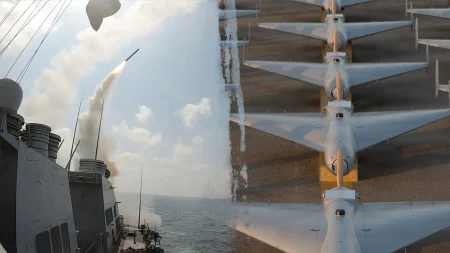
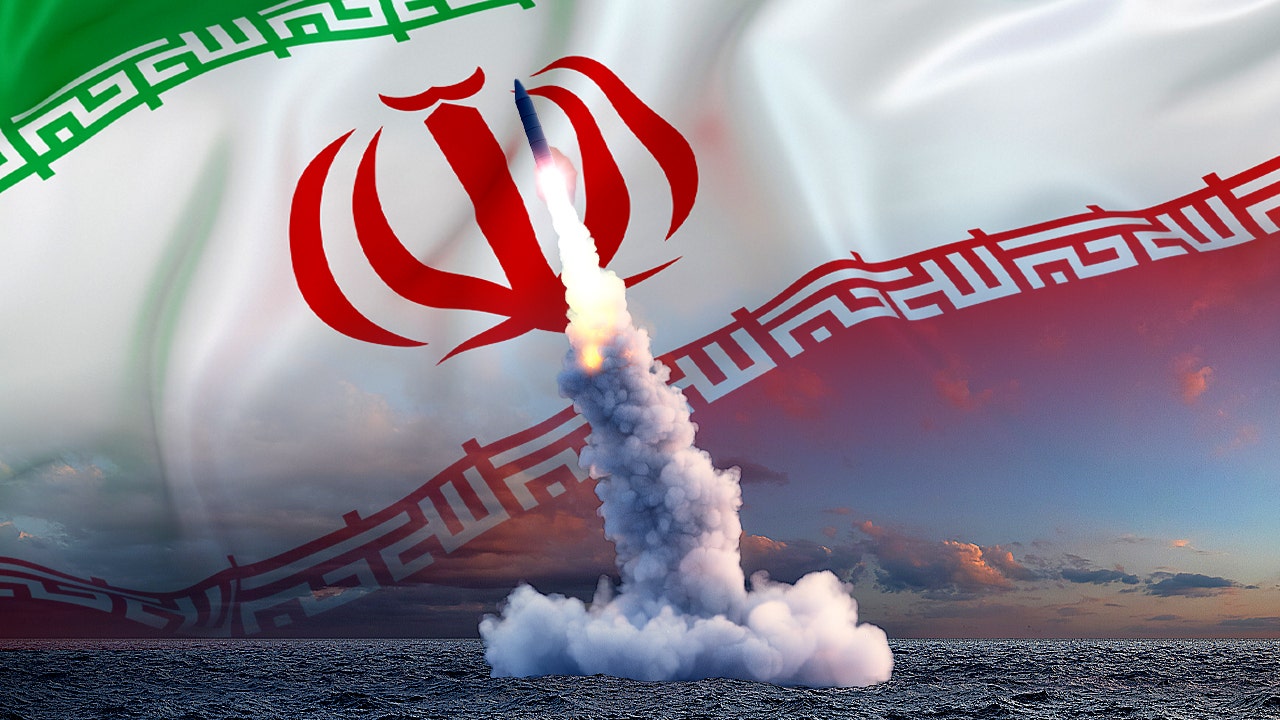
The timing of these discussions is particularly significant given the heightened Israeli concern over recent Iranian military movements. According to reporting by Axios, Israeli officials have warned the Trump administration that Islamic Revolutionary Guard Corps missile exercises “could be preparations for a strike on Israel.” A senior Israeli official speaking to Fox News Digital emphasized that this concern isn’t mere speculation but is “rooted in history,” drawing a parallel to the 1973 Yom Kippur War, which began with military exercises that transformed into a surprise attack. The official noted that Israel’s tolerance for risk has diminished considerably since Hamas’ October 7, 2023 attack, creating a more sensitive security environment. When questioned about potential coordinated military action with Washington, the official dismissed such speculation with pragmatic logic: “If we were planning an attack with the U.S., it probably wouldn’t make it into the media.” This suggests that while public concern is high, actual military planning would likely remain confidential.
These developments have had a notable impact on Israel’s domestic political landscape as well. The senior Israeli official acknowledged that the Iranian threat has shifted media attention away from controversial domestic legislation, particularly regarding military draft exemptions. “The headlines in Israel are now about the Iranian threat instead of the bill,” the official observed. While this shift might be viewed cynically as political maneuvering, the official maintained that the threat requires serious attention: “Is it spin? Is there something special? Is there truth? Maybe. But we always need to be prepared.” This statement reflects the complex interplay between national security concerns and domestic politics that often characterizes Israeli governance, where external threats frequently influence internal political dynamics.
According to NBC News reporting, Netanyahu intends to use his meeting with Trump to make a compelling case that Iran’s expanding ballistic missile program represents a growing threat requiring potential swift action. The Israeli Prime Minister is expected to emphasize that Iran’s activities endanger not just Israel but broader regional stability and American interests as well. Most significantly, Netanyahu will reportedly present Trump with several options for addressing the Iranian threat, including scenarios that might involve U.S. support or direct participation in potential military action against Iran. When asked about the rumored December 29 meeting, Trump told reporters, “We haven’t set it up formally, but he’d like to see me,” confirming the Israeli leader’s interest while suggesting details remain to be finalized. This potential high-stakes meeting comes at a pivotal moment in Middle Eastern geopolitics and could shape the trajectory of U.S.-Israeli cooperation on Iran policy moving forward, with profound implications for regional security and international diplomacy in the coming months.