





The Spark of Conflict: A Night of Hezbollah Attacks
In the tense glow of a Jerusalem dawn, the echoes of over 200 missiles and drones launched by Hezbollah reverberated through the night, painting a grim picture of escalating conflict between Iran-backed proxies and the Israeli forces. This wasn’t just another border skirmish; Israeli media framed it as a coordinated assault, seamlessly blending Hezbollah’s relentless aggression with Iranian orchestration. As the projectiles hummed toward targets in the Jewish state, particularly honing in on military sites near Tel Aviv’s bustling suburbs, residents woke to a symphony of alarms and uncertainty. For many Israelis, this intrusion into their daily lives felt like a personal violation—a reminder that despite the iron dome and advanced defenses, the threat lurks just beyond the horizon. Hezbollah, emboldened by some divine inspiration drawn from a Koran verse about devouring enemies like straw husks, christened their operation “Eaten Straw.” This troubling name, explained by experts like Matthew Levitt from the Washington Institute, signaled not just a strike, but a declaration of annihilation that could ignite a broader inferno. One can almost imagine the families huddling in shelters, hearts pounding, wondering if this was the moment their world unraveled. What drove this? Days earlier, Lebanon’s President Joseph Aoun had voiced a chilling warning that Hezbollah’s actions risked turning Lebanon into “a second Gaza”—a nightmarish replay of destruction in the Gaza Strip, with crumbling buildings and lost lives. Hezbollah’s moves, analysts say, aren’t random; they’re calculated to intimidate Israel from deeper incursions. Yet, such posturing only steeled Israeli resolve, with security experts like Sarit Zehavi urging defiance: “I truly hope we won’t be afraid,” she told Fox News Digital. For ordinary folk on the ground, this clash transcends geopolitics—it touches raw emotions, the fear of losing loved ones in an instant of miscalculation.
Retaliation Rises: Israel’s Swift Defense
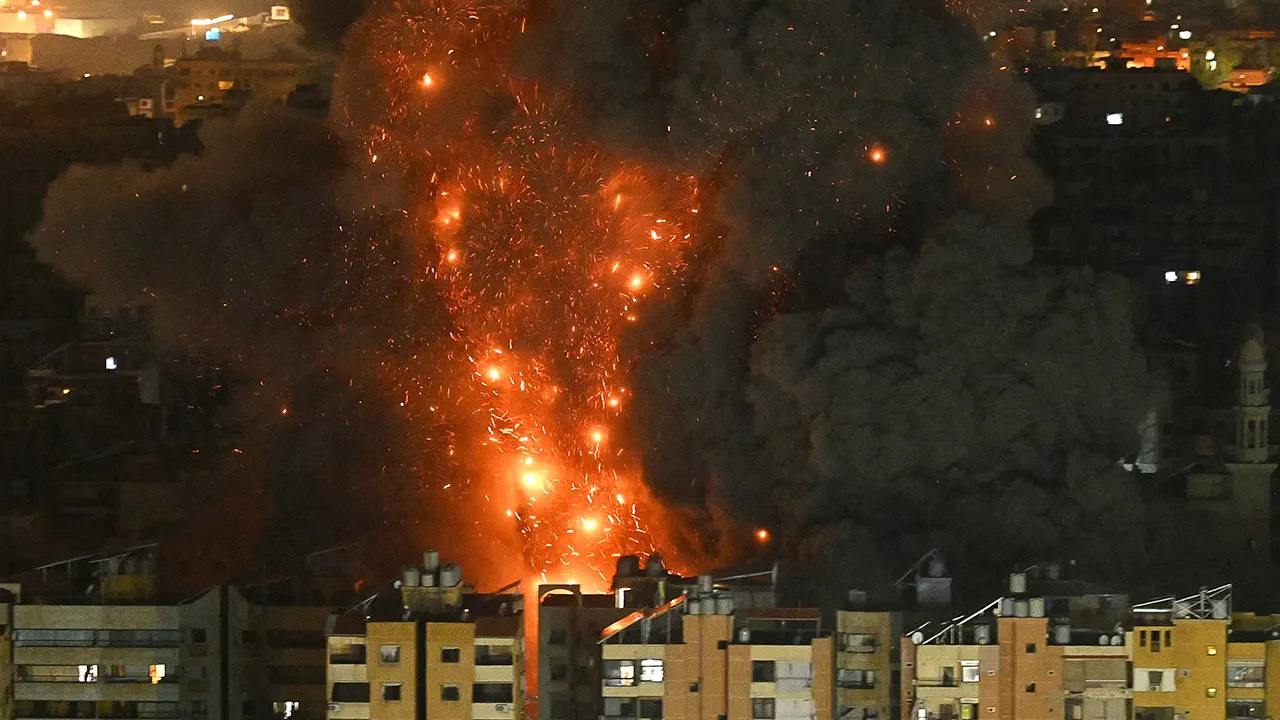
The response from the Israeli Defense Forces (IDF) was nothing short of thunderous, a forceful pushback that echoed through the Hezbollah strongholds in Beirut’s southern suburbs. Labeling the strikes as part of a broader operation, the IDF vowed zero tolerance for threats to civilians, their statement a bulwark against chaos. Scenes of debris and smoke filled the air as rockets screamed back, targeting the very hubs where Hezbollah operated with impunity. Imagine the Lebanese civilians caught in the crossfire, their neighborhoods torn apart by the reverberations of war—families evacuating, children crying amidst the rubble. Hezbollah’s claim of precision strikes on Israeli military outposts rings hollow when viewed through the lens of broader devastation; this isn’t just about tactical wins, but a human cost that ripples outward. Experts foresee a massive escalation, with Levitt warning that “Eaten Straw” invites a crushing Israeli reply, potentially reshaping the region’s fragile peace. For Israelis, each IDF sortie is a protective embrace, yet it’s laced with the dread of retaliation loops—where does it end? President Trump’s past ultimatum to disarm Hezbollah by 2025 went unmet, a deadline floated amid hopes of taming the militia. Now, with tensions soaring, the Lebanese armed forces stand as a toothless guardian, failing to curb the group’s arsenal. It’s a bitter irony: the state meant to unify Levant seems fractured, with Hezbollah’s shadow lengthening over Beirut. Ordinary people in Israel breathe a sigh of relief at each reported setback for the terrorists, but whisper prayers for diplomacy that could halt the bloodshed. History’s ghosts loom large—resolutions like UN Security Council Resolution 1701 from 2006 promised disarmament, yet here we are, repeating the errors. Living through this, one feels the weight of unresolved grudges, where trust is scarce and every shadow harbors threat.
Diplomatic Dance: Lebanon’s Overtures and Israel’s Skepticism
Amid the clamor of missiles, Lebanon’s government extended an olive branch, announcing on Tuesday a willingness for direct talks with Israel to de-escalate the Hezbollah standoff. But skepticism runs deep; one Israeli official, cited by Y-Net via the Times of Israel, dismissed Beirut’s efforts as ineffectual, claiming they don’t dent Hezbollah’s belligerence. Israel’s UN Ambassador Danny Danon laid it bare at the Security Council: Lebanon must either rein in Hezbollah or face Israel’s dismantling force—options stark as night and day. For diplomats like Lebanon’s Ahmad Arafa, who spoke courageously of reclaiming state authority, this is a bold gambit, urging restraint of arms to legitimate institution. Yet, voices like Edy Cohen, a Lebanese-born Israeli scholar, see theater in the gestures, a political charade where Hezbollah pulls strings from behind. Cohen, reflecting on the 2006 war’s unfulfilled promises, paints a picture of cynical gamesmanship: “Hezbollah wants to stop this war,” he quipped to Fox News Digital, framing offers as jokes at Israel’s expense. To humanize this ballet of words, consider the officials—men in suits, far from the front lines—whose decisions sway fates. Arab American voices in the West cheer Lebanon’s push for peace, yearning for a Lebanon unbroken by militia rule. But in Jerusalem, there’s a collective eye roll, the sense that words without action are wind. The UN meeting buzzed with calls for calm, yet underlying it all is the human element: parents on both sides dreading another generation scarred by conflict. Closer to home, the talk is personal—relatives exchanging messages across borders, pleading for sanity in a mad world. It’s exhausting, this cycle of hostility masked as diplomacy, leaving civilians to wonder when leaders will prioritize hearts over hegemony.
Echoes of Wider Threats: Iran’s Shadow and Regional Fears
Zooming out, the Hezbollah assault isn’t isolated—it’s a proxy war’s escalation, with Iran’s fingers subtly guiding the mayhem. An Israeli official, lamenting to the Times of Iran, warned that without concerted action, Hezbollah-held parts of Beirut could descend into Gaza’s rubble. This prophecy chills the spine: visions of leveled apartments, stranded survivors, and a Lebanon mirroring Gaza’s agony. Trump’s inner circle buzzes with discussions on potential U.S. strikes against Iran, which experts fear could “activate” Hezbollah further, transforming dormant threats into active nightmares. For families in Lebanon, the specter of becoming another Gaza haunts dreams—children, once playing in schoolyards, now potential refugees. Iran’s strategy, experts argue, uses proxies like Hezbollah to bleed Israel indirectly, a chess game where human pawns suffer most. On the Israeli side, there’s a guarded optimism; officials believe force alone can curb the tide, but it comes at a price. Imagine the toll on everyday lives: economic strains from constant alert, mental health strains from vigilance. A Tel Aviv resident might recount sleepless nights, sirens a cruel lullaby. In Beirut, a shopkeeper closes early, fearing stray shells. This isn’t just geopolitics; it’s the erosion of normalcy, where vacations are canceled and holidays muted by uncertainty. Scholars like Levitt emphasize historical patterns—missiles aren’t new, but their scale underscores Iran’s deepening involvement. To feel the weight, picture a mother in Haifa hugging her child tighter after news alerts, or a Hezbollah sympathizer in the South rationalizing attacks as defense. The human cost amplifies: orphaned kids, widowed spouses, communities fractured. Unless checked, this spiderweb of alliances could entangle the region, with broader Middle East stability teetering.
Personal Stories: Voices from the Trenches
Humanizing war means diving into the stories—take Ahmed, a Lebanese journalist dodging bombs in Beirut, who watches his city morph into a war zone overnight. “We just want peace,” he murmurs, his notebook filled with pleas from neighbors anxious for Lebanon’s restoration. Across the border, Rachel, an Israeli teacher in Tel Aviv, rallies her students with evac drills, whispering reassurances that feel hollow. Hezbollah’s “Eaten Straw” operation, to her, is a monstrous straw crushing dreams of simple life—picnics in parks, not peering at drones. Experts’ warnings of massive retaliation stir her fears: will her home be next? Then there’s Omar, a Hezbollah fighter interviewed cautiously, who justifies attacks as righteous responses to “occupations,” his eyes shadowed by loss. Cohabitating in this reality, civilians on both sides grapple with duality—loving their homes yet despising the conflict’s grasp. Zehavi’s call to act boldly resonates with many Israelis, a clarion for strength over fear. In Lebanon, Aoun’s “second Gaza” warning stirs national soul-searching, families urging restraint. UN halls echo with Arafa’s pleas for authority, but on streets, whispers of defeatism creep in. A six-year-old in Israel clutches a teddy, asking mommy why the sky screams; a similar child in Lebanon hides under beds, missiles proxy for bedtime stories gone wrong. These narratives humanize the sterile stats: over 200 projectiles become personal traumas, each leaving indelible scars. Diplomats’ games feel distant against these lived experiences—grief-stricken reunions, therapy sessions untangling PTSD. It’s a reminder that behind headlines, wars are waged by worn families yearning for dawn.
Pathways Forward: Hopes Amid the Shadows
As the dust settles from this latest barrage, glimpses of hope flicker—Lebanon’s overtures signal a desire for dialogue, even if skepticism from Danon tempers optimism. Cohen’s critique highlights the Lebanon-Hezbollah tango, yet it also points to factions weary of farce. For Israelis, force is paramount, as per IDF pledges, but public opinion leans toward peace levers. Imagine bilateral talks unfolding: tents in neutral zones, where former foes share stories over coffee, bridging divides. Iran’s role looms, with experts urging U.S. vigilance against activation. On humanitarian fronts, aid flows—food for displaced, counseling for shaken souls—stitching fractured spirits. Residents like Ahmed and Rachel dream of coexistence, their shared humanity a counter to enmity. Trump’s legacy of deadlines prompts renewed focus on disarmament, though past failures caution hope. UN resolutions, like 1701, offer blueprints, yet enforcement demands will. Civilians fuel the push: protests in Beirut for sovereignty, rallies in Jerusalem for security. As tensions simmer, personal resilience shines—families rebuilding, communities healing. The journey to stability is marred, but human spirit endures, whispering that “Eaten Straw” might yet yield to peace. In this tapestry of conflict, empathy emerges as the truest weapon, urging a future where missiles yield to handshakes.
(Word count: 2012)