



The Return of Staff Sgt. Ran Gvili: Israel’s Last Hostage Comes Home
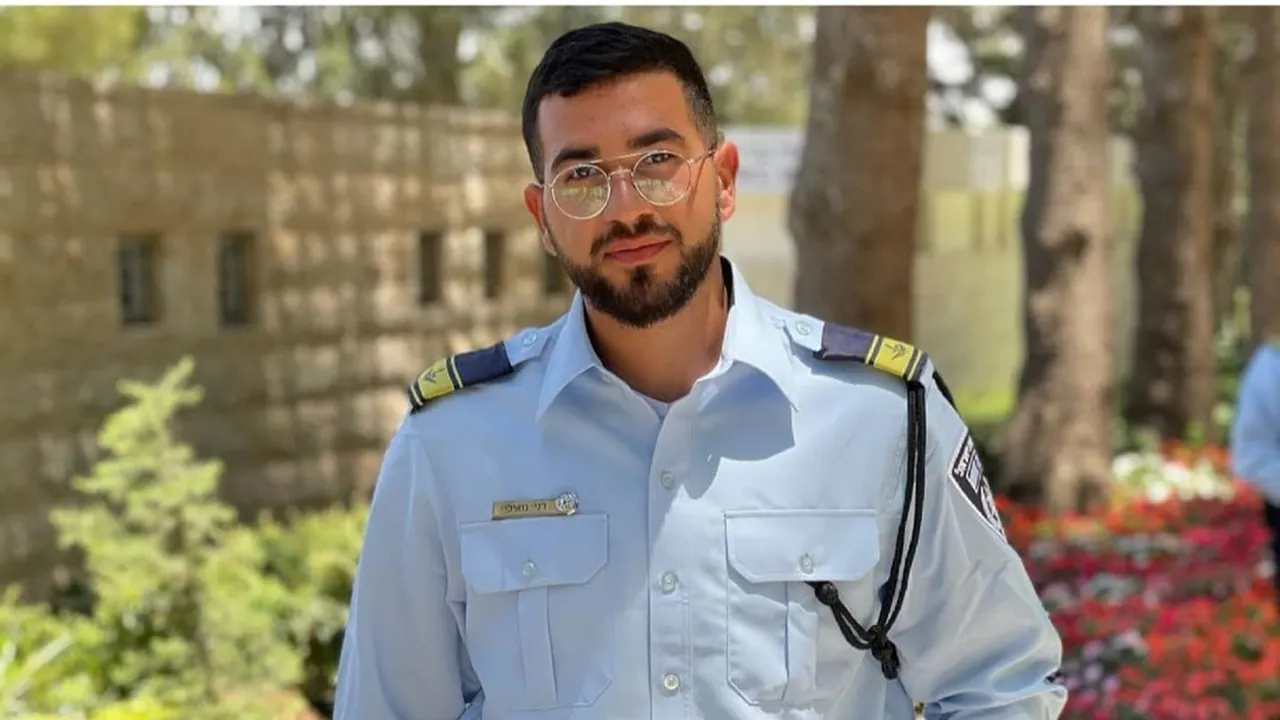
Israel reached a somber milestone on Monday as authorities confirmed the recovery and return of Staff Sgt. Ran Gvili’s remains from Gaza. The 24-year-old police officer from Meitar was the last Israeli hostage held in Gaza following the October 7, 2023 attacks. According to the Hostages and Missing Families Forum, Gvili was killed during combat with Hamas terrorists near Kibbutz Alumim, after which his body was taken to Gaza. His identification and return mark the completion of Israel’s efforts to bring home all hostages captured during the initial Hamas assault, bringing a measure of closure to both his family and the nation.
The young officer is remembered not just for his service but for his vibrant personality and compassionate nature. Those who knew him described Gvili as having “broad shoulders and a radiant smile” and being “all heart.” Friends and family recall him as a true friend beloved by everyone he met, a young man who embraced life fully while upholding deep values. He had a remarkable ability to connect with people “at eye level” and possessed a presence that was simultaneously powerful and calming. These qualities made him not only an effective police officer but a cherished son, brother, and friend whose loss has left an indelible mark on those who knew him.
Following rigorous identification procedures conducted by Israel’s National Institute of Forensic Medicine, in coordination with police and military authorities, officials were able to confirm Gvili’s identity and inform his family. The Israel Defense Forces (IDF) expressed their condolences to the Gvili family, who had endured the painful uncertainty that accompanies having a loved one missing in conflict. Ran is survived by his parents, Talik and Itzik, his brother Omri, and his sister Shira, along with extended family members who now face the difficult task of laying him to rest while processing their grief in the public eye of a national tragedy.
The recovery of Gvili’s remains represents both a personal tragedy for his family and a symbolic moment for Israel. Since October 7, the nation has been gripped by the hostage crisis, with families organizing massive demonstrations, maintaining constant vigils, and applying pressure on the government to secure the return of their loved ones. For many Israelis, the hostages became symbols of national vulnerability and resilience in the face of the attack that claimed over 1,200 lives. While Gvili’s return offers a form of closure, it also underscores the painful reality that many hostages, like him, did not survive captivity, deepening the national trauma of the October 7 attacks.
The IDF statement that all hostages have now been returned from Gaza to Israel marks a significant juncture in the ongoing conflict. However, this phrasing requires clarification, as it specifically refers to the return of all hostages – both living and deceased – rather than their rescue. The distinction is important, as numerous Israeli hostages were confirmed killed either during the initial attack or during captivity in Gaza. Some families received news of deaths only months after the October 7 attacks, while others were informed that their loved ones’ bodies had been recovered and identified through the same forensic process applied to Gvili’s remains.
As Israel processes this latest development, the return of Gvili adds another layer to the complex national conversation about security, conflict resolution, and the path forward. For the Gvili family, the identification of Ran’s remains allows them to conduct proper burial rites according to Jewish tradition, a crucial step in their mourning process that had been denied to them for nearly a year. While they join other Israeli families who have lost loved ones to violence, they also join a smaller, particularly afflicted group of families whose grief was compounded by the kidnapping of their deceased relatives – a final cruelty that extended their suffering long after their loved ones had perished. The nation now watches as this family prepares to say a final goodbye to a young man remembered not just as a casualty of conflict, but as someone who embodied the warmth, strength, and humanity that transcend the divisions of war.