






Israel Criticizes UN-Backed Food Security Report on Gaza Situation
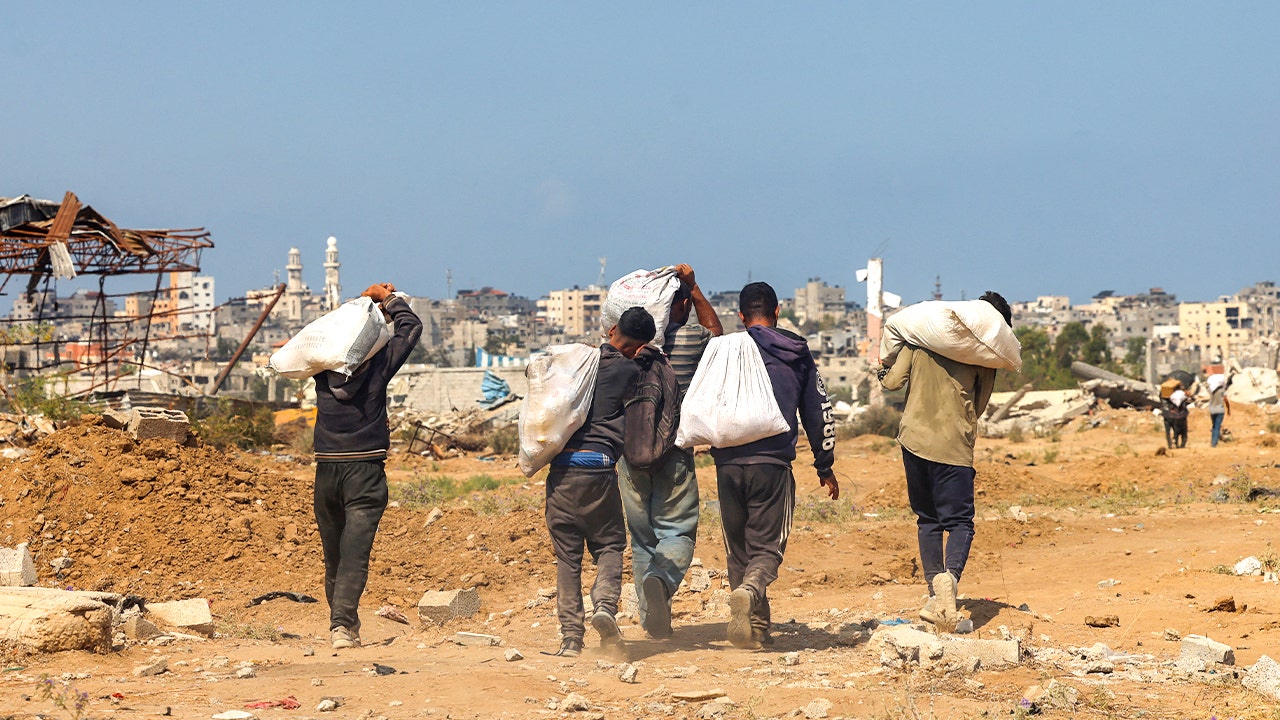
In a strong pushback against the latest findings from the Integrated Food Security Phase Classification (IPC), Israeli officials have denounced what they describe as biased reporting regarding the food situation in Gaza. The UN-backed organization, which previously claimed famine conditions existed in Gaza Governorate, now reports that approximately 1.6 million Gazans face “high levels of acute food insecurity.” This modification of their assessment has prompted Israeli authorities to question the organization’s methodology and objectivity in evaluating the humanitarian situation in the region.
Major General Ghassan Alian of COGAT (Coordinator of Government Activities in the Territories), the Israeli body responsible for coordinating humanitarian aid to Gaza, has been particularly vocal in his criticism. He argues that the IPC has disregarded crucial information, specifically the substantial volumes of food that entered Gaza during ceasefire periods. According to COGAT, this suggests the report’s conclusions were predetermined rather than based on objective analysis. The Israeli agency pointed to what they describe as a pattern of extreme forecasts from the IPC that ultimately fail to materialize, claiming these assessments consistently contradict verified data about aid volumes, food availability, and market trends in the region.
In its latest report, the IPC’s Famine Review Committee acknowledged significant changes in circumstances since their previous assessment. They noted a “partial relaxation of the blockade and an increase in the availability of food and other essential supplies” following their last report. While the committee maintains that these improvements came too late to prevent what they described as famine conditions in July and early August in the Gaza Governorate, they now acknowledge that “the persistence of Famine and its spread to other governorates… has been avoided.” This represents a substantial shift from their August projection, which had predicted famine would spread to two additional governorates by September 30.
The evidence supporting previous famine declarations has been questioned by several experts, including Dr. David Adesnik from the Foundation for Defense of Democracies. He points out that mortality figures, though concerning, never reached levels typically associated with famine conditions. Regarding the IPC’s explanation for the lack of mortality evidence, Adesnik criticizes their suggestion that Gaza’s health ministry might have missed non-trauma-related deaths as “a big leap.” The highest reported number of malnutrition-related deaths per month was 27, with total malnutrition deaths peaking at 186—figures that, while tragic, fall significantly below established famine thresholds. The IPC defines these thresholds as “at least two in every 10,000 people” or “at least four in every 10,000 children under five dying daily” due to “outright starvation or the interaction of malnutrition and disease.”
Israel’s Ministry of Foreign Affairs has highlighted what they see as a fundamental disconnect between the IPC’s assessment and the reality of aid delivery to Gaza. Spokesperson Oren Marmorstein noted that “between 600 and 800 aid trucks enter the Gaza Strip every day, 70% of them carrying food”—a volume he describes as “nearly five times more than what the IPC itself said was required for the Strip.” This statement directly challenges the IPC’s characterization of the food security situation and suggests that if distribution issues exist, they may not be attributable to Israeli restrictions on aid entry. Despite retreating from current famine declarations, the IPC still warns that in a “worst-case scenario” of renewed conflict, “the entire Gaza Strip is at risk of famine through mid-April 2026″—a prediction critics like Adesnik describe as speculative “guessing about the future.”
The debate over food security assessments in Gaza carries significant implications beyond humanitarian concerns, potentially influencing international legal proceedings. Accurate reporting holds particular importance given the ongoing investigations by the International Criminal Court and International Court of Justice into allegations of war crimes and genocide against Israel. A formal declaration of famine could serve as a “big building block” in these cases. The political dimension of this issue was highlighted last week when Secretary of State Marco Rubio sanctioned two more ICC members for their involvement in what the U.S. described as “morally bankrupt and legally baseless actions against Americans and Israelis.” As humanitarian assessments continue to be produced in this highly charged environment, questions about methodology, objectivity, and the political implications of such reports remain at the forefront of international discourse on the Gaza conflict.