




Netanyahu Agrees to Limited Reopening of Gaza’s Rafah Crossing as Part of Trump’s Peace Plan
In a significant development for Gaza-Israel relations, Prime Minister Benjamin Netanyahu’s office announced on Sunday that Israel has agreed to a “limited reopening” of the Rafah crossing with Egypt. This decision comes as part of former President Donald Trump’s 20-point peace plan, which has been gaining momentum since its introduction in September. The announcement, made through a series of posts on X (formerly Twitter), represents a potential breakthrough in the ongoing humanitarian crisis in Gaza, though it comes with clear conditions that reflect Israel’s security concerns and commitment to recovering all hostages taken during the conflict.
The reopening will be strictly limited to pedestrian traffic and subject to a comprehensive Israeli inspection process, underscoring Israel’s continued emphasis on security measures. More significantly, the Prime Minister’s Office stated that this reopening is contingent on two major conditions: the return of all living hostages and what it described as a “100 percent effort” by Hamas to locate and return the remains of all deceased hostages. This stipulation highlights the centrality of the hostage issue in Israel’s approach to the conflict. Currently, all deceased hostages have been recovered except for police officer Ran Gvili, whose case has become the final hurdle before the crossing can reopen. “The IDF is currently conducting a focused operation to exhaust all of the intelligence that has been gathered in the effort to locate and return the fallen hostage, Master-Sgt. Ran Gvili, of blessed memory,” the Prime Minister’s Office explained, adding that “upon completion of this operation, and in accordance with what has been agreed upon with the US, Israel will open the Rafah Crossing.”
Trump’s 20-point plan to end the Gaza war, which was first introduced in September, has already achieved one of its major objectives with the release of 20 hostages from captivity in Gaza on October 13. The plan has now moved into its second phase, shifting from a ceasefire framework toward a post-ceasefire political and security arrangement for Gaza. This transition marks a critical evolution in the peace process, suggesting a potential path forward beyond the immediate hostilities. U.S. Special Envoy to the Middle East Steve Witkoff has played a key role in this process, recently issuing a stern warning that Hamas must fully comply with its obligations under the agreement, particularly regarding the return of the final deceased hostage. “The U.S. expects Hamas to comply fully with its obligations, including the immediate return of the final deceased hostage,” Witkoff wrote on social media earlier this month, adding that “failure to do so will bring serious consequences.”
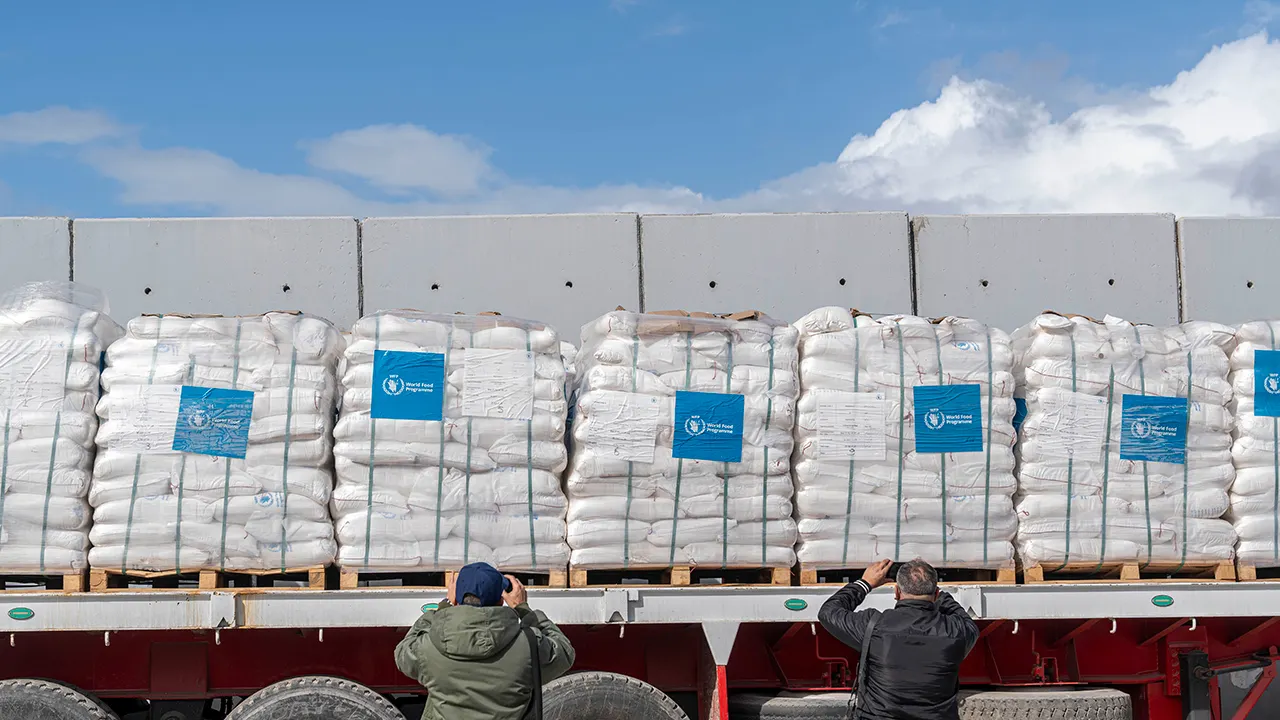
The limited reopening of the Rafah crossing holds immense significance for the people of Gaza, who have faced severe restrictions on movement and access to humanitarian aid throughout the conflict. As the primary crossing point between Gaza and Egypt, Rafah has long been a crucial lifeline for Palestinians seeking medical treatment, education, or family reunification abroad. Its closure has exacerbated an already dire humanitarian situation in the enclave, contributing to shortages of food, medicine, and other essential supplies. The decision to reopen the crossing, even in a limited capacity, could potentially alleviate some of this suffering and signal a willingness on Israel’s part to address humanitarian concerns alongside its security priorities.
Netanyahu’s decision comes at a time of intense international scrutiny over Israel’s military operations in Gaza and growing pressure to address the humanitarian situation. By agreeing to this aspect of Trump’s peace plan, the Israeli government may be seeking to demonstrate its commitment to eventual de-escalation while maintaining its core security demands. The emphasis on full Israeli inspection mechanisms indicates that security concerns remain paramount, reflecting the complex balance Israel is trying to strike between humanitarian considerations and protecting its citizens. The specific mention of Master-Sgt. Ran Gvili’s case also highlights the deeply personal dimension of this conflict for many Israelis, with the Prime Minister’s Office affirming that “The State of Israel is committed to the return of Israeli hero Master-Sgt. Ran Gvili and will spare no effort to bring him home for a proper Jewish burial.”
As the region watches these developments unfold, questions remain about the longer-term implications of Trump’s peace plan and whether this limited reopening of Rafah might lead to broader agreements. The transition to the second phase of the plan, focusing on post-ceasefire political and security arrangements, suggests an attempt to address the root causes of the conflict rather than simply managing its symptoms. However, significant challenges remain, including ensuring Hamas’s compliance with its obligations and building sustainable security arrangements that can protect both Israeli and Palestinian civilians. The coming weeks will be crucial in determining whether this agreement represents a meaningful step toward lasting peace or merely a temporary easing of tensions in a deeply entrenched conflict that has defied numerous previous peace efforts. What is clear is that the fate of the final hostage, the reopening of Rafah, and the broader implementation of Trump’s peace plan are now inextricably linked in what could be a pivotal moment for the region.