





ISIS Escapes During Syrian Prison Handover: A Crisis Narrowly Averted
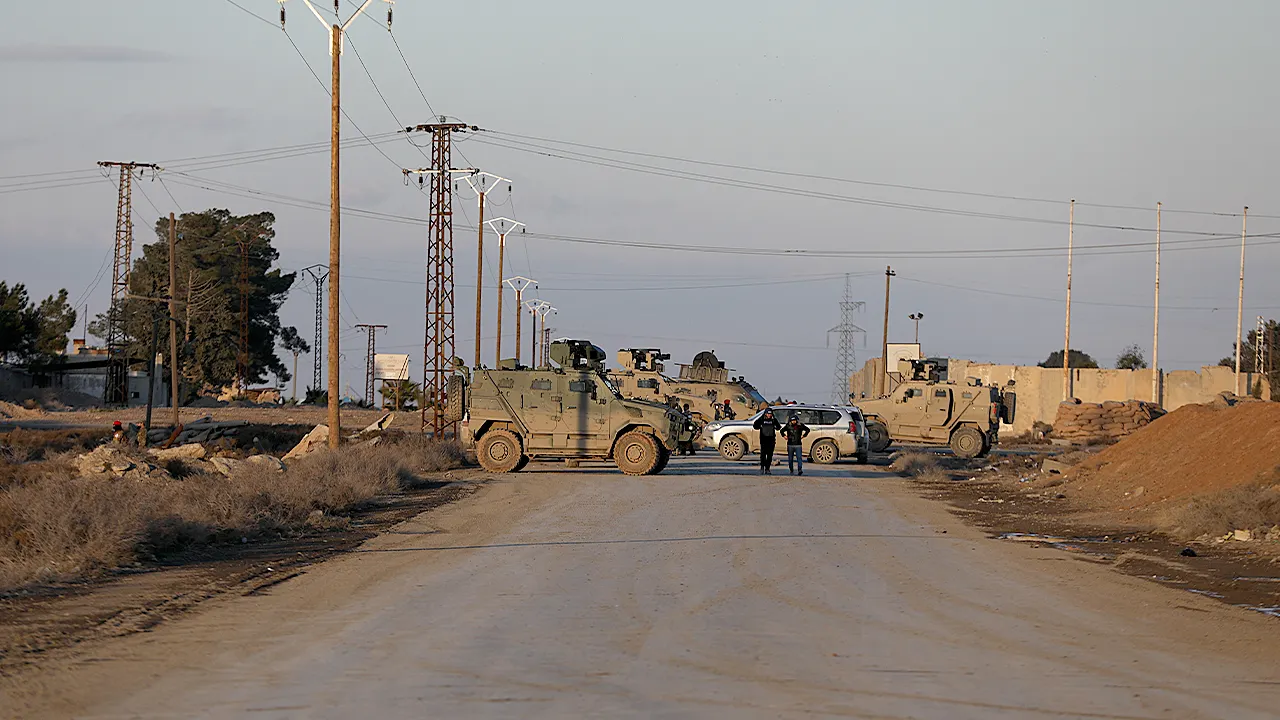
In a tense development in Eastern Syria, Islamic State group militants managed to escape from Al-Shaddadi prison in Hasakah province during a chaotic transfer of authority between the Kurdish-led Syrian Democratic Forces (SDF) and the Syrian government. The prison break occurred on Monday amid ongoing political tensions and a recently brokered ceasefire between the parties. According to U.S. officials and regional sources, the incident unfolded as local residents broke approximately 200 ISIS detainees out of the facility during the momentary security vacuum when SDF guards departed and before Syrian forces could fully assume control. This breach highlighted the fragile nature of security arrangements in a region still grappling with the remnants of ISIS influence. The timing was particularly problematic as it coincided with a significant shift in regional power dynamics, with Syrian leader Ahmed al-Sharaa having signaled growing impatience with Kurdish autonomy, effectively telling the SDF leadership it was time to dissolve their independent governance structures.
The escape happened within the context of broader political realignments in the region. Under an integration agreement reached just the day before, the SDF had agreed to withdraw from two Arab-majority provinces they had controlled for years and transfer responsibility for prisons holding ISIS detainees to the Syrian government. Damascus had accused the SDF of deliberately slowing down security handovers, creating friction during the implementation of the ceasefire. This prison transfer was particularly sensitive given the history of ISIS fighters using prison breaks to replenish their ranks. Fortunately, U.S. military officials had anticipated potential security issues and had worked closely with the SDF in recent months to relocate the most dangerous foreign ISIS detainees to more secure facilities. As one well-placed source explained about those who escaped, “Most of these were low-level local fighters, not the hardened foreign fighters,” suggesting that while concerning, the escape didn’t represent the worst-case scenario of highly trained international terrorists returning to the battlefield.
The response to the prison break was swift and apparently effective. A senior U.S. official told Fox News that most of the escaped prisoners were quickly recaptured and returned to the prison, which now operates under Syrian government control. The Syrian army imposed a total curfew in the city of Shaddadi and launched sweeping security operations to locate any remaining escapees. The incident demonstrates the ongoing challenges in maintaining security in a region where ISIS, though territorially defeated, continues to maintain a presence through sleeper cells and opportunistic actions. Prior to this incident, Al-Shaddadi prison had held fewer than 1,000 detainees, but at the time of the handover, only about 200 remained, indicating a planned drawdown that had already relocated many prisoners. The urgency of the situation was reflected in the comprehensive security response, highlighting how seriously both Syrian and coalition forces took the threat of ISIS fighters potentially rejoining militant networks.
The United States military responded to the developments by enhancing its regional presence, with officials confirming they were “boosting our presence by air, land and sea.” A squadron of F-15 fighter jets was repositioned, and C-17 aircraft carrying heavy equipment arrived in the area to support operations. Additionally, the USS Abraham Lincoln is expected to enter the U.S. Central Command area by January 25, further strengthening the American military posture in the region. These movements reflect the continuing U.S. commitment to preventing an ISIS resurgence, even as the political landscape shifts beneath them. The swift military response underscores the persistent concern that any ISIS prison break, regardless of the number or classification of fighters involved, represents a potential security threat that could undermine years of counter-terrorism efforts in the region. This robust response also signals to regional actors that the U.S. remains engaged and willing to project force when necessary to maintain security gains against extremist groups.
The prison break and subsequent security operations occur against a backdrop of changing power dynamics in northeastern Syria. The SDF, which had been America’s primary partner in the fight against ISIS and had controlled significant territory following the territorial defeat of the terrorist organization, now faces increasing pressure to integrate with the Syrian government. This transition marks a significant shift in the post-ISIS landscape of Syria, potentially reducing Kurdish autonomy that had developed during the civil war. The integration agreement represents a complex realignment of power in the region, with implications not just for counter-terrorism operations but also for the political future of Kurdish populations who had established semi-autonomous governance structures. These developments also highlight the challenge of maintaining secure detention facilities for ISIS fighters in a region experiencing political transitions and contested sovereignty, raising questions about the long-term sustainability of current detention arrangements for thousands of ISIS fighters still held in facilities across northeastern Syria.
Beyond Syria, the tensions surrounding these events resonated regionally, with Kurdish protesters reportedly gathering at the U.S. Consulate in Erbil, Iraq. This demonstrates how developments in Syria can quickly spark reactions across borders, particularly among Kurdish populations who view their political futures as interconnected across nation-state boundaries. The prison break, while apparently contained, serves as a reminder of the persistent threat posed by ISIS and the complex challenges of maintaining security in a region characterized by shifting alliances, contested governance, and the lingering effects of years of conflict. As the Syrian government reasserts control over territories previously held by the SDF, questions remain about its capacity and commitment to preventing ISIS resurgence. The incident at Al-Shaddadi prison, though resolved relatively quickly, highlights the delicate nature of security transitions and the continuing importance of international cooperation in preventing ISIS from exploiting political and security vacuums to rebuild its capabilities and threaten regional and global security.