






Paragraph 1
In the heart of escalating tensions between the United States and Iran, we’ve seen a significant buildup of American military forces in the Middle East, reminiscent in scale to the massive deployment before the 2003 Iraq War. It’s natural to draw these parallels—after all, it’s an emotional reminder of a time when hundreds of thousands of troops gathered, aircraft filled the skies, and nations held their breath for what might come next. Back in 2003, that force was all about invasion: more than 300,000 U.S. personnel, backed by around 1,800 coalition planes, with army and marine divisions positioned in Kuwait and Saudi Arabia, ready for Operation Iraqi Freedom to topple Saddam Hussein’s regime and occupy the country. It was a ground-heavy operation designed for conquering and holding territory. Today, though, the scene feels different—more like a high-stakes chess game than a full-throttle assault. Experts like retired Gen. Philip Breedlove, who once commanded NATO’s European forces, point out that there’s no intention of sending boots on the ground into Iran. Instead, we’re seeing logistics and firepower being meticulously placed, as Breedlove puts it: professionals focus on logistics, getting “shooters and supplies” in the right spots without amassing an army for occupation. It’s a subtle shift that speaks volumes about strategy, turning what could be a thunderous roar into a calculated whisper of pressure.
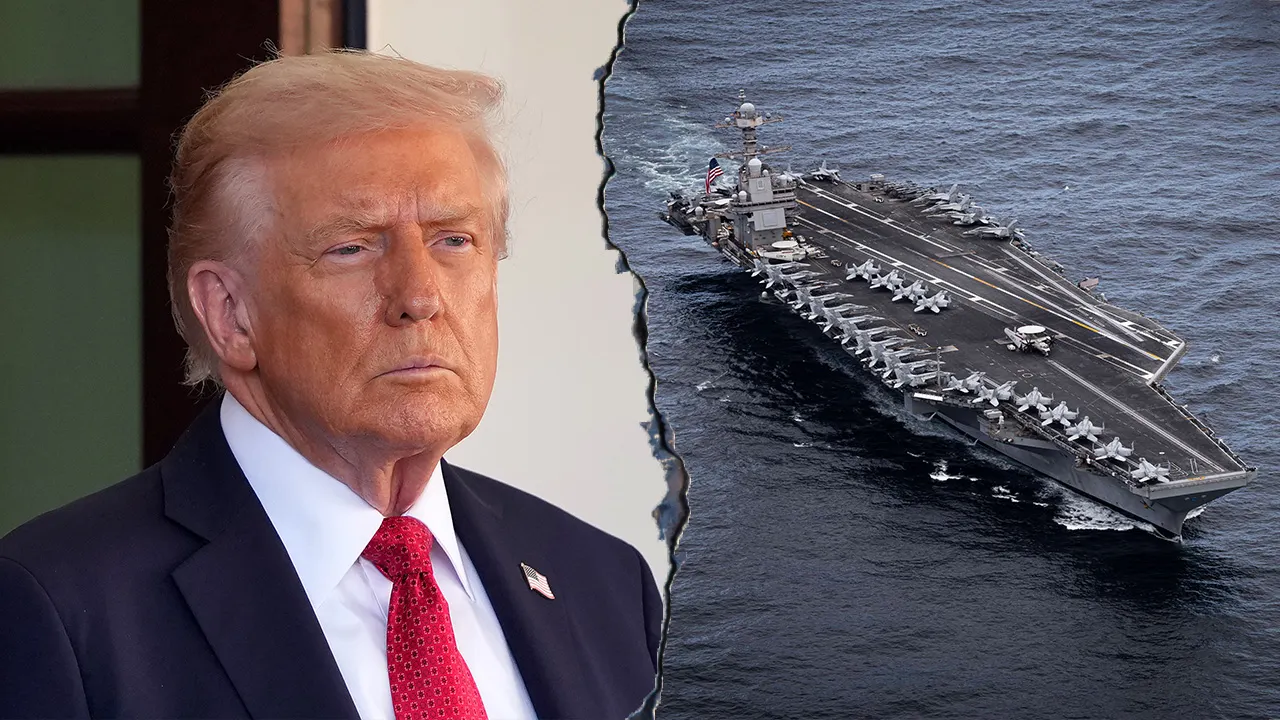
This buildup isn’t just about numbers; it’s about subtlety and intent. Unlike the blunt force of 2003, this is maritime and air-centric, prioritizing carrier strike groups, precision strikes, and layered defenses over territorial grabs. As John Spencer, head of the Urban Warfare Institute, explains, the goal in both cases is to coerce the adversary—to reshape their thinking through visible power—but the tools and threats are worlds apart. In 2003, it was all about regime change and holding land; now, it’s about signaling readiness to strike from afar, projecting strength without the personal toll of ground invasions. It’s like the difference between a sledgehammer and a scalpel—both can get the job done, but one leaves a mark, while the other aims for precision. For everyday people watching the news, this might feel like deja vu, stirring up memories of past conflicts, but the experts assure us it’s not the same playbook. The absence of massed infantry is the clearest sign: no mullets in the desert for hotspots, just assets positioned for swift, sustained operations. It’s a posture built for deterrence, not domination, allowing the U.S. to show its might without committing to a long-term footprint. That said, the human element can’t be ignored—families of service members are surely on edge, wondering if this escalation will spiral into something bigger, much like the anxiety we all felt during those pre-Iraq War days. The stakes are high, and while the buildup looks intimidating on paper, it’s designed to avoid the chaos of full-scale war, focusing instead on logistics that sustain pressure without igniting total conflict.
Paragraph 2
Diving deeper into the capabilities now at play, we see a formidable arsenal ready should things escalate. Two aircraft carrier battle groups are now positioned in the region, joining dozens of additional U.S. planes dispatched to bases and teamed up with advanced air and missile defense systems. It’s a gathering that’s given President Trump—at least as of the time of the original reporting—one heck of a menu of options if military action against Iran is authorized. Experts like Javed Ali, a professor at the University of Michigan’s Ford School and a former counterterrorism official, break it down: we’ve got existing setups at places like Al Udeid Air Base in Qatar, Diego Garcia in the Indian Ocean, and beyond, offering multiple strike possibilities. If operations kick off, next they’re likely to be broad and unrelenting, targeting Iran’s ruling class, high-ranking officials in the Islamic Revolutionary Guard Corps, ballistics missile sites, drone hubs, and even parts of their nuclear program. These could drag on for days or weeks, not a quick hit-and-run but a sustained campaign hitting where it hurts most. Ali’s perspective humanizes this technology talk—it’s not just about bombs and planes; it’s about protecting American interests and potentially averting disasters like hostage seizures or cyber intrusions, drawing from his own experience in the field. For those of us not in the military, imagining these strikes feels almost sci-fi: precision-guided munitions painting targets with laser precision, defending against incoming threats through integrated defenses. But beneath that, it’s a reminder of the real human costs—the potential for unintended casualties, the families on the other side grappling with leadership that might lead them into conflict. The buildup isn’t reckless; it’s methodical, aimed at forcing Iran to the negotiation table without mop-up efforts or rebuilding from ashes, much like how breedlove describes incrementally increasing pressure with carriers to nudge Tehran toward dialogue.
Yet, this isn’t without its risks, and we can’t sugarcoat the dangers. Analysts warn that Iran could retaliate fiercely, ramping up ballistic missile assaults far more frequent than before, deploying drones, launching cyber ops, or disrupting shipping in the Persian Gulf. It’s a chess match where one wrong move could spiral into wider chaos, affecting global oil prices and daily lives far from the Middle East. Breedlove draws from Iraq’s lessons, cautioning against vague goals or forgetting “day plus one”—that crucial post-strike planning to avoid endless quagmires. Unlike 2003, where success on the battlefield wasn’t matched by stable governance, today’s posture emphasizes clear objectives to coerce without occupying. Spencer reinforces this, highlighting how the maritime and air focus optimizes for air dominance, long-range hits, and naval endurance, not territorial grabs. For the average person, this means staying informed but not panicking; it’s a deterrence strategy that banks on showing steel without inviting a land war. The emotional weight is there—memories of personal stories from past deployments, like letters from soldiers or videos from families, make us empathize with those in harm’s way. Ultimately, the hope is for Iran to blink first, choosing talks over confrontation, preserving lives on both sides and avoiding the tragedies that haunt history’s repeat mistakes.
Paragraph 3
As we reflect on the legal and structural underpinnings, another stark contrast emerges with 2003. That invasion had congressional backing through the Authorization for Use of Military Force, plus a robust international coalition featuring tens of thousands of British troops and others lending legitimacy and manpower. Today, no similar AUMF exists for Iran, meaning any action might rely on the president’s constitutional authority as commander-in-chief, given Iran’s threats. This shift feels precarious, like navigating without a safety net, and experts like Ali note it could complicate things legally and diplomatically. Without a broad coalition, the U.S. is striking a more solitary pose, which might embolden critics or weaken global support. It’s a departure that humanizes the strategy—less about uniting allies in a grand alliance, more about unilateral resolve in the face of immediate dangers. For those who’ve studied history, this echoes quieter interventions, where the U.S. flexes power alone to demonstrate deterring without entangling others fully. The absence of coalition partners means less shared burden, but also fewer checks and balances, putting immense responsibility on the commander-in-chief. In a world of tweets and instant news, this could play out in public opinion polls or congressional debates, where everyday Americans weigh in on whether such authority should require more oversight. Empathy kicks in when considering diplomats or policymakers on both sides—fatigued negotiators seeking de-escalation, perhaps dreaming of peaceful resolutions after years of standoffs. Yet, the reality is tense; this solo approach heightens the personal stakes for leaders like Trump, who must calibrate escalation carefully to avoid domestic backlash or international isolation. It’s not just policy; it’s a test of leadership, where decisions ripple through families dealing with uncertainty.
Delving into the detainees air architecture, today’s force is fine-tuned for sophisticated operations, not crude conquests. Breedlove describes the step-by-step addition of carriers—first one that didn’t sway Iranian rhetoric, then a second to ramp up the message—as a deliberate application of pressure, urging Tehran to “sit down and figure this out.” It’s a far cry from 2003’s blitz, where ground forces spelunked cities and territory was seized. Now, it’s Transnational pairs of carriers, long-range stands, and defenses signaling capability without commitment to boots on the ground. Spencer calls it a deterrence and strike setup, perfect for air inferiority, precision bombardments, and prolonged sea campaigns. For the reader, this shifts the narrative from battlefield heroism to strategic forethought, where technology and planning substitute for human waves. Imagine the crew on those carriers—young sailors and aviators far from home, maintaining focus amidst high-voltage tensions, perhaps the aware of their role in preventing, not provoking, war. The humanization comes from understanding these are lives on the line, not just assets; families monitoring news, communities donating the “freedom isn’t free” causes. This approach aims to compel Iran back to talks, calculating costs of escalation without plunging into conflict. It’s optimistic yet cautious, acknowledging that raw numbers aren’t the only determinant—psychology matters, too. Whether this posture succeeds in bending Iran’s will depends on mutual cool-headedness, avoiding the brinkmanship that could ignite.
Paragraph 4
To grasp the full picture, envision the strategic evolution from 2003’s invasion blueprint to today’s cautionary shows of force. That earlier era was defined by territorial seizure—arming divisions for regime ouster and long-term control, a method that demanded sacrifices and enduring presence. Now, with no ground troops planned, the emphasis is on maritime dominance and aerial supremacy, crafting a message of readiness without the illusion of occupation. Ali underscores how this facilitxt provides Trump with potent options, from clerical leadership to nuclear sites, but structured for containment over conquest. It’s a humane pivot, potentially sparing lives by sidestepping the attrition of prolonged ground fights observed in past wars. Breedlove’s emphasis onProfessional logistics—right shooters and sustains—mirrors this phi, prioritizing efficiency to deter aggression. For civilians, this means a strategy that could mitigate collateral damage, focusing on high-value targets rather than sweeping invasions. Empathy arises in stories of refugees or displaced persons from prior conflicts, highlighting why this air-maritime focus might prevent similar humanitarian crises. The buildup’s design signals not aggression, but prudence, allowing the U.S. to respond swiftly if needed while pushing for diplomatic avenues. Breaker from Iraq remind us of the pitfalls of unclear ends, urging defined goals to steer clear of endless engagements. In essence, this is deterrence in action, weighing ambitions against the high costs of war, and hoping calculated pressure spurs responsible choices.
Moreover, the risks of Iranian countermeasures can’t be understated, adding layers of complexity. From escalated missile barrages to cyber intrusions and Gulf disruptions, Tehran could retaliate vigorously, impacting global economies and security. Breeding warns against underestimating these threats, stressing the need for resolute planning—think “day plus one” to avoid Iraq’s post-victory voids. This humanizes the discourse; beyond military jargon, it’s about safeguarding civilian lives, economic stability, and international peace. Ali notes the absence of coalition backing might amplify these challenges, requiring careful calibration to de-escalate. For the global audience, living through potential sanctions ripples or oil disruptions, this strategy aims for leverage without overcommitment. Compassion for all parties involved—American servicemen, Iranian citizens, and world economies—leads to advocacy for negotiation. Ultimately, the distinction lies in intent: invasion versus restraint, teaching us that smart power can coerce without conquering.
Paragraph 5
Reflecting on historical parallels, the 2003 deployment was an unequivocal blueprint for conquest, with regiments poised for territorial takeovers and regime dismantling, demanding immense human and financial tolls. Today’s framework, conversely, champions naval and aerial prowess, with carrier groups and precision arsenals guaranteeing defensive depth over offensive sprawl. Breedlove articulates this as incremental coercion, ratcheting tension to compel Tehran toward dialogue, far removed from the decisive incursions of yesteryear. Spencer differentiates the paradigms: while 2003 hinged on ground domination, current operations optimize for aerial finesse and sustained maritime vigils, eschewing boots-on-the-ground invasions. This approach, championed by Ali, equips the president with versatile strike potentials against key Iranian nodes, yet engineered for containment sans occupation. Humanely, it prioritizes minimal loss, alluding to stories of wartime heroes sacrificed in futile territorial pursuits, fostering empathy for those spared similar fates. By emphasizing logistics and strategic positioning, the U.S. signals potentretmen ce without broadcasting belligerence, aiming to recalibrate adversarial calculus and promote talks. Escaping Iraq’s quagmires, this posture underscores clear objectives, mitigating risks of protracted strife realms. For everyday observers, it evokes a narrative of prudent deterrence, balancing might with mindfulness to avert unnecessary carnage.
Sustaining this, Iranian reprisals pose palpable perils, encompassing heightened drone deployments, cyber raids, and naval interruptions, capable of cascading into broader turbulences. Breedlove cautions foresight, learning from Iraq’s inadequacies and advocating structured post-escalation blueprints to forestall unresolved deadlocks. This injects heartfelt urgency: considering the families enduring uncertainty or the refugees fleeing instability, strategic restraint becomes a moral imperative. Ali highlights the lacuna of coalition support and congressional endorsements, necessitating constitutional levers, which could isolate U.S. actions and complicate resolutions. Amidst these gambles, the ultimate aim remains deterrence, wielding power to dissuade confrontation, as visible force molds decision-making. Humanizing the discourse reveals a shared yearning for peaceful denouements, where technological edges substitutefor destructive invasions, nurturing global tranquility.
Paragraph 6
In summation, the divergence from 2003’s aggressive territorial aspirations to today’s strategic maritime and aerial emphasis signifies a matured approach to coercion, prioritizing calculated restraint. With naval fleets and air assets arrayed for precision and defense, absent ground incursions, experts affirm an intent bent on pressure without possession. Breedlove views incremental carrier deployments as persuasive nudges toward negotiation, embodying professionalism in logistics over reckless tactics. Spencer echoes this, contrasting former dictatorial ousts with current capacities for strikes and safeguards, designed to compel sans conquest. Ali endorses potent strike options against pivotal targets, yet framed for brevity rather than occupation, safeguarding resources. Embracing empathy, we recall the human tolls of past occupations, motivating a strategy that deters mayhem, protects livelihoods, and invites discourse. Risks of Iranian countermeasures—missiles, drones, cyber—demand vigilant planning, as echoed by Breedlove, to preclude Iraq-like fiascos. Absent coalitions and authorizations, reliance on executive authority amplifies accountability, urging judicious leadership. Fundamentally, this posture embodies deterrence: showcasing power to influence, fostering resolutions over ruin. For all, it heralds hope for de-escalation, where futuristic force meets human wisdom, steering toward amicable outcomes.
To broaden perspective, legal and structural nuances further delineate designs; 2003’s congressional coalition fortified invasions, whereas today’s solitary stance relies on constitutional prowess, empowering unilateral yet precarious actions. This reconfiguration, while augmenting flexibility, invites scrutiny over dependencies, humanizing as a testament to adaptability amidst evolving threats. Ali expounds on latent strike potentials at bases like Al Udeid, facilitating targeted incursions that could span Iran’s clerical echelons and infrastructures, yet engineered for restraint. Beneath, the narrative resonates with compassion for stakeholders—from diplomats navigating dialogues to citizens bracing for repercussions—advocating foresight to mitigate adversities. By internalizing Iraq’s sagas of aimless engagements, this paradigm promotes lucid goals, harmonizing deterrence with diplomacy. Ultimately, success hinges on reciprocal prudence, where visible power catalyzes talks, averting catastrophes and cultivating enduring stability. For humanity at large, it epitomizes resilience, transforming potential wrath into avenues for dialogue, resonating deeply with communal aspirations for peace.