





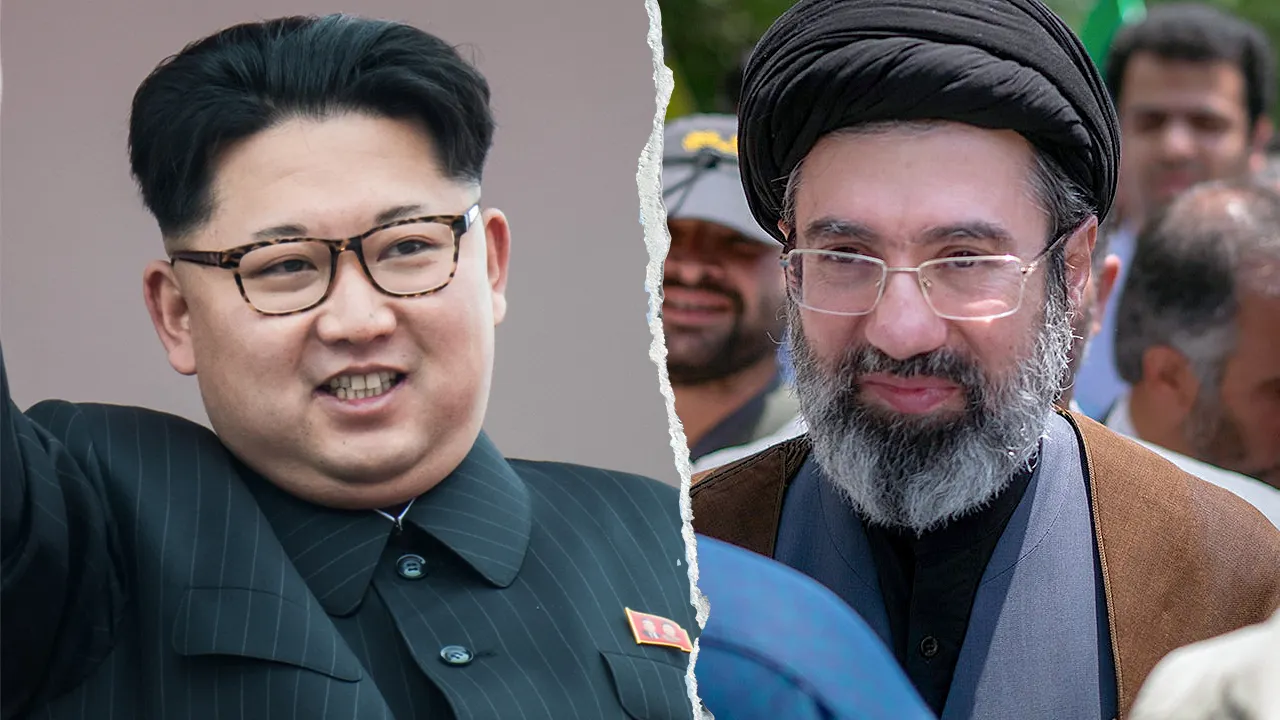
The Shadow of Tehran: Iran’s Missile Arsenal and Its North Korean Roots
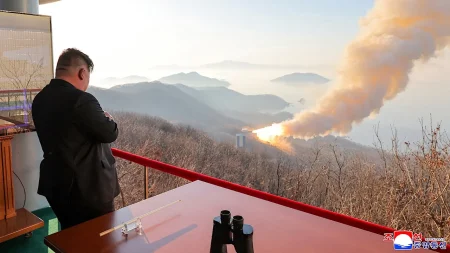
Imagine a quiet man sitting in his office at Angelo State University in Texas, poring over satellite images and intelligence reports late into the night. His name is Bruce Bechtol, a professor of political science who’s become one of the go-to experts on the murky world of rogue states. For years, he’s watched as Iran and North Korea, two pariah nations with a long history of thumbing their noses at the international community, have built a dangerous partnership behind closed doors. This alliance isn’t just about shared ideologies or mutual disdain for the West; it’s about raw power—specifically, missiles capable of raining destruction on enemies far away. Last week, the world got a stark reminder when Iran launched two intermediate-range ballistic missiles toward Diego Garcia, a remote U.S.-UK military base in the Indian Ocean, over 2,500 miles from Iranian shores. That act, Bechtol tells me in a candid conversation, was Iran signaling its growing boldness as the joint U.S.-Israeli campaign against its regime drags into its fifth week. Iran’s labeled as the world’s worst state sponsor of terrorism by the U.S. State Department, and this missile strike wasn’t just a show of force—it was evidence that their capabilities have evolved far beyond what many imagined. But here’s the twist: this isn’t homegrown ingenuity. Bechtol reveals that much of Iran’s missile program is essentially borrowed from North Korea, the communist hermit kingdom that’s fueled Tehran’s arsenal for decades. One of the missiles fired at Diego Garcia was a Musudan, a system Iran acquired from Pyongyang back in 2005. They bought 19 of them outright, Bechtol explains, and it’s not some secret weapon—they’ve had this reach since then. As someone who’s co-authored a groundbreaking book on this alliance, called “Rogue Allies: The Strategic Partnership Between Iran and North Korea,” Bechtol sees the bigger picture. Iran isn’t just attacking Israel or U.S. targets; it’s terrorizing neighboring Muslim countries too. These missiles, proliferating across the region, have turned what started as a targeted response into a broader Middle Eastern crisis. Bechtol describes sitting through countless briefings where analysts underestimated Iran’s speed of escalation. He recalls how, in the early days of this conflict, short-range missiles like the QIAM pummeled U.S. bases and Arab states. But North Korea’s fingerprints are all over that, too—they helped develop and refine it, sending engineers and blueprints that turned a basic rocket into a menace. Humanizing this threat means thinking about the families at those bases, people like you and me—soldiers, civilian contractors—who’ve now seen the far reach of this alliance. They’ve got kids at home, mortgages to pay, and now live with the constant hum of uncertainty. Aggressions like this aren’t abstract; they’re personal. For instance, Diego Garcia is no bustling city; it’s a remote speck in the ocean, yet it’s a vital outpost for projecting American power. That missile didn’t just miss—it struck close enough to prove Iran can tense U.S. forces thousands of miles away. Bechtol ties this back to a pattern: North Korea building a huge missile test site at Emamshahr in Iran’s Fars Province and a tracking facility in Tabas. It’s a reminder that states like these don’t play fair—they collaborate in the shadows, using cash and oil as currency for deadly tech. This partnership, Bechtol says, is simple: North Korea supplies the pieces—systems, tech, even underground bunkers—and Iran pays up. It’s a bargain that keeps both regimes afloat in their isolation.
Revealing the Missile Family Tree: From Scuds to Shahabs
Digging deeper into Bechtol’s insights feels like unraveling a family history of destruction. Picture North Korea’s engineers, huddled over old Soviet blueprints from the Cold War, tweaking designs that Iran eagerly adopts. Back in the late 1990s, Pyongyang sold around 150 No Dong missiles to Iran—intermediate-range beasts with enough punch to hit targets hundreds of miles away. Iran was thrilled, so impressed that they commissioned North Korea to build an entire factory on Iranian soil, just like they did earlier with Scud C production. This wasn’t just a transaction; it was a tech transfer that birthed Iran’s own missiles. The locals dubbed their version the Shahab-3, but Bechtol laughs dryly when he says it’s “almost an exact copy” of the No Dong. People might think of missiles as futuristic drones or laser beams, but these are bulky, rocket-propelled demons that arc through the sky, guided by rudimentary but effective navigation. Bechtol explains how, once the Shahab-3 was operational, the collaboration intensified. North Koreans and Iranians tinkered together to boost its range and deadliness—extending its kiss of death farther, perhaps to the heart of Israel or nearby capitals. For everyday folks back home, this means realizing that geopolitical what-ifs can turn deadly real. Imagine you’re in Tel Aviv, sipping coffee, and suddenly sirens wail for an incoming strike. That’s the reality Israelis face, echoed in neighboring Arab states where U.S. bases are shaken. From there, Tehran produced even more sophisticated variants: the Emad, stretching 1,087 miles, and the Ghadr, at 1,212 miles. These aren’t just stats; they’re stories of homes shattered, hospitals overwhelmed, and lives forever changed. Bechtol recounts instances where these missiles hit, not just symbols of power but flesh-and-blood communities. He’s testified before Congress, warning that this escalation could spiral if unchecked. The human cost gnaws at him—families displaced, economies strained as oil fields and ports become targets. Yet, he emphasizes, the irony is that Iran’s advancements feel secondhand, a patchwork quilt sewn from North Korean scraps. In a world where innovation drives progress, here it’s weaponizing desperation. Bechtol shares how he’s fascinated by the psychological toll on the regimes involved. Leaders in Pyongyang and Tehran, so often depicted as cartoonish villains, are playing a high-stakes game of one-upmanship, each fueling the other’s survival. For regular people in the West, it prompts questions: Why does our tax money pay for defenses when we could strangle the supply at its source? The partnership thrives on secrecy, but leaks like Bechtol’s book illuminate how these “rogue allies” ignore sanctions, building arsenals that intimidate democracies. It’s a wake-up call that authoritarian echo chambers can create havoc, turning a peaceful neighborhood into a warzone overnight. Those missiles, once test-launched in lonely Iranian deserts, now carry payloads of fear across borders.
The Evolutionary Leap: Bigger Warheads and Bigger Threats
As the story unfolds, Bechtol points to Iran’s progression toward monstrosities that make earlier missiles look tame. Enter the Khorramshahr series, where North Korea upped the ante by helping Iran craft warheads weighing a ton and a half to two tons—imagine a boulder lobbed with precision, exploding into a hail of destruction. The fourth iteration, Khorramshahr-4, stands out as Iran’s crown jewel. It’s not just longer-range; it’s deadlier, armed with what experts suspect are cluster munitions—those insidious little bomblets that turn a single strike into a hundred nightmares. Bechtol describes it vividly: upon impact, it scatters submunitions over wide areas, turning urban spots into killing fields. For civilians, this isn’t science fiction; it’s the dread of a teenager texting friends one moment and shielding orphaned siblings the next. Bechtol recalls analyzing footage from attacks where these munitions ripped through bazaars and homes in Yemen or Syria, collateral damage that’s all too real. He’s met survivors whose stories humanize the data—women rebuilding lives from rubble, children scarred not just physically but emotionally by the roar of incoming death. In his university lectures, Bechtol humanizes the threat by juxtaposing it with American innovation: our drones and GPS-guided bombs versus their crude but voluminous firepower. Yet, he warns, volume counts in warfare, and Iran’s ability to produce en masse, outsourced from North Korean know-how, has shifted the balance. Think of it like a startup copying a tech giant’s patent—except here, the “product” levels cities. This progression underscores the alliance’s depth: not sporadic deals, but ongoing symbiosis. North Korea sends engineers to Iranian soil, living undercover, refining payloads that defy international norms. Bechtol speculates on the dinners these exiles might share, swapping tales of missile tests that succeed or fail spectacularly. It’s easy to dehumanize them as faceless threats, but they’re families too, indoctrinated into systems that reward aggression. For us, the lesson hits home: global peace treaties are only as strong as their enforcement. When missiles like Khorramshahr target Israel, it’s not just geopolitical chess; it’s families fleeing air-raid shelters, schools closing indefinitely. Bechtol ties this back to the human reporter’s lens—capturing not just explosions, but the silent tears of resilience in affected communities. The war’s fifth week amplifies this, with each launch eroding stability. Experts like Bechtol don’t just crunch numbers; they advocate for empathy, urging policies that prevent, not just react to, these horrors. In essence, Iran’s arsenal is a testament to how isolation breeds monstrosity, a cursed inheritance from Pyongyang’s arsenal.
The Economic Underpinning: Cash, Oil, and Sanctions Gaps
Peeling back the layers reveals a transactional fussiness that drives this partnership—North Korea as the slick salesman hawking weapons, Iran as the eager buyer with pockets lined by oil profits. Bechtol breaks it down simply: Pyongyang proliferates everything from raw tech to underground facility blueprints, and Tehran compensates with hard cash and black gold. It’s crude economics, but effective, enabling both to skirt sanctions and punch above their weight. Imagine oil tankers slipping through as “cover” shipments, or illicit banks laundering funds for missile assemblies. Bechtol, drawing from years observing this dance, notes how this barter sustains regimes that would otherwise crumble. For everyday observers, it feels like watching a black-market bazaar where morality bows to survival. Sanctions are meant to strangle this, but loopholes abound—front companies in Asia or shadowy cyber networks shuffling money. Bechtol laments how the U.S. and allies have let this fester, calling for a renewed focus on enforcement. It’s not just diplomats in suits; it’s about identifying banks shielding transactions or corporations aiding proliferation. He shares anecdotes from his research: a North Korean technician living in Iran, posing as an engineer while training locals on warhead fittings. These stories humanize the infiltrators as real people with motivations tied to regime loyalty, perhaps fathers providing for wives. For Americans feeling the squeeze of global prices, this connection hurts—oil flows to North Korea mean higher pumps at home while fueling missiles. Bechtol pushes for leveraging the Proliferation Security Initiative, a toolkit to intercept arms shipments, often underutilized. In his view, disrupting the supply chain is like cutting a hydra’s head; it starves the beast. Interviews with defectors paint the picture: defectors describe lavish Tehran dinners where deals are sealed, a far cry from Pyongyang’s famines. This humanizes the perpetrators—leaders prioritizing weapons over welfare. Bechtol argues we must evoke compassion too, sanctioning without isolating innocents, perhaps through targeted aid alongside pressure. The war’s toll amplifies this need: Iranians struggling under regime tyranny, funneled into austerity while missiles soar. It’s a reminder that global crises demand personal stakes—supporting enforcement means protecting daughters shipping to Riyadh or sons stationed abroad. Ultimately, this economic web isn’t just numbers; it’s the fabric of countless disrupted lives.
Escalation in the Fifth Week: A Call for Vigilant Action
As the conflict grinds into its fifth week, with attacks mounting and alliances fraying, Bechtol emphasizes that Iran’s strikes are more than tactical—they’re symbolic declarations of unity with North Korea. The Diego Garcia incident, targeting a distant U.S.-UK hub, mirrors Pyongyang’s own provocations, a shared language of defiance. Bechtol describes the psychological warfare: civilians in teleconferences interrupted by alerts, families divided by evacuations. For him, teaching future leaders, it’s about contextualizing fear—turning data into stories of resilience. Strikes on Israel and Arab states aren’t abstract; they’re nocturnal terrors where bombs fall on sleeping suburbs. He recalls Palestinian civilians’ testimonies, describing the shockwave as earthquakes. In the U.S., it translates to heightened security alerts, affecting travelers and traders alike. Bechtol urges a human response: robust alliances that enforce sanctions, blocking pathways for engineers and blueprints. It’s not vengeful; it’s preventive, imagining a future where drones replace missiles. The war’s broadening footprint—from bases to civilian zones—highlights unmet needs for deterrence. Bechtol advocates public awareness, drawing parallels to Cold War tensions, where massive retaliation deterred launches. For families facing sanctions’ bite, it’s a plea for empathy: ensuring nations feel the pinch without humanitarian fallout. This alliance’s survival hinges on opacity, but transparency could shatter it. In Bechtol’s narrative, each missile launch is a chapter in a larger saga of rogue defiance, begging readers to question inaction. Vigilance means pushing for reforms, perhaps through international courts holding proliferators accountable. As someone who’s lost sleep over this, Bechtol pleads for urgency—lives hang in the balance.
Towards Deterrence: Cutting the Supply Chain and Securing the Future
Bechtol’s closing thoughts revolve around actionable steps to dismantle this threat, a roadmap for policymakers and citizens alike. Cutting North Korea’s lifeline through enforced sanctions isn’t optional—it’s imperative. He envisions targeting banks washing money and cyber fronts transferring data, envisioning a world where freezer shipments hide components no longer. The Proliferation Security Initiative, he says, is key: a multi-national effort to seize rogue cargoes, revitalized to halt flows to Iran. For the average person, it means supporting leaders who prioritize this, perhaps through advocacy or informed voting. Bechtol humanizes consequences—enforcing means fewer orphans in war-torn streets, more stability for global markets. He draws from history: sanctions crumbling apartheid, proving collective will triumphs isolation. In this fifth week, with missiles flying, deterrence shifts from reaction to disruption. Imagine fuel-starved launches failing, exposing vulnerabilities. Bechtol calls for ally coordination, sharing intel to choke the pipeline. It’s personal for him—a mission to safeguard students from missile eras ahead. Among his recommendations: safeguarding Iran’s enriched uranium amid strikes, preventing black-market leaks. Humanizing expertise means acknowledging fears: economic fallout or divided opinions. Yet, unity curtails escalation, turning adversarial cycles into dialogues. Bechtol’s legacy? Knowledge as a weapon against ignorance, urging us to envision post-conflict peace—thriving economies, rebuilt alliances. This isn’t defeatist; it’s hopeful, a narrative of proactive fortitude. By severing supply chains, we protect not just bases, but futures, fostering a planet where rogue partnerships wilt under scrutiny. Bechtol’s voice echoes: act now, humanely, decisively. (Word count: 2,042)