






The Shadow of Waterways and Warfare
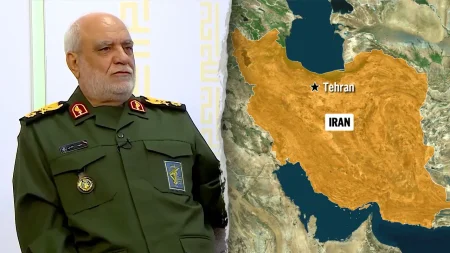
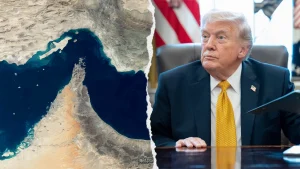
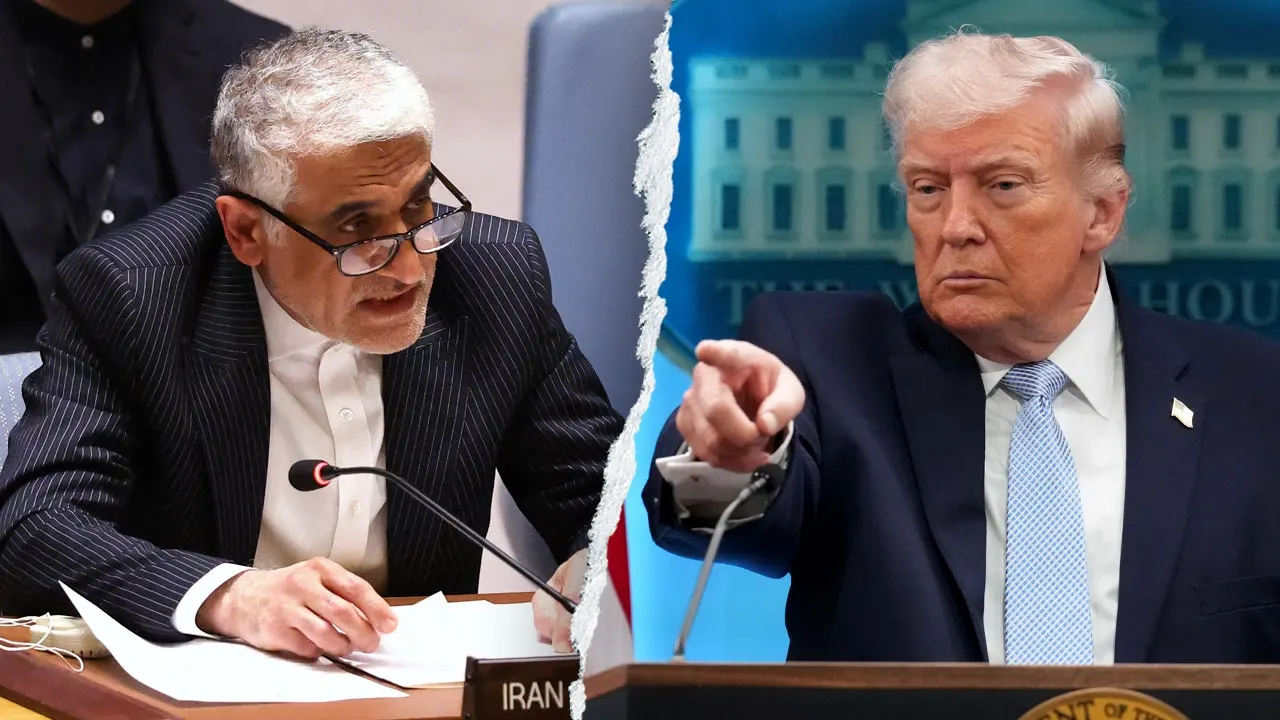
Imagine waking up to a world where global tense threads pull tighter every hour, like a rope in a deadly tug-of-war over oil, power, and survival. That’s the scene unfolding in the Middle East, where the Strait of Hormuz, that lifeline waterway churning with tankers hauling lifeblood fuel to the world, is choked shut by Iranian forces. President Donald Trump, back in the spotlight after his recent insistence on confronting what he sees as tyranny, is playing hardball. He’s set a ticking clock: Until 8 p.m. ET, the Iranian regime must reopen that strategic chokepoint or face the wrath of American strikes targeting their power plants, bridges, and energy hubs—structures that keep cities humming or grinding to a halt. It’s not just diplomacy; it’s a high-stakes gamble with civilizations’ fate hanging in the balance. As the day heated up, Iran’s top diplomat at the United Nations, Amir-Saeid Iravani, stepped into the arena, his voice echoing through the halls of international discourse. He didn’t mince words, lashing out at Trump’s words as reckless bravado that could shatter lives. Iravani painted a picture of a leader not just threatening infrastructure but inciting doom, making you feel the chill of potential catastrophe. “Deeply irresponsible and profoundly alarming,” he called it, highlighting how Trump’s rhetoric about a “whole civilization” dying “never to be brought back” sounded like a war cry straight out of nightmares. Hours before Trump’s deadline, the UN had already fractured along superpower lines: Russia and China vetoed a resolution aimed at prying open the strait, joining Iran in a defiant block that made cooperation feel like a distant dream. It’s a reminder that in this game of nations, alliances are fragile, and vetoes can drown out calls for peace. You could almost hear the collective gasp from world leaders wondering if brinkmanship had gone too far, turning a waterway dispute into a powder keg. Listening to Fox News updates on this, it’s hard not to think about the everyday folks—sailors on those tankers, families relying on that oil for heat in winter—who are caught in the crossfire of these giants’ standoff. It’s human drama on a global scale, where one man’s threats ripple outward, affecting millions who just want to live without the shadow of annihilation looming.
Words as Weapons: The Ambassador’s Outcry
Amir-Saeid Iravani isn’t just a suit in New York; he’s a man with fire in his eyes, defending his nation’s heritage against what he perceives as American arrogance. Standing firm at UN headquarters on that Tuesday afternoon, he channeled the outrage of a father shielding his child from danger, denouncing Trump’s Truth Social posts as not merely bold statements but brazen invitations to commit vile crimes. “Shamelessly and brazenly issuing threats to destroy all civilian infrastructure,” Iravani thundered, his words carrying the weight of 47 years of Iranian grievances—decades under sanctions, isolation, and now, what he framed as existential threats. Bridges and power plants, he argued, weren’t just targets; they were veins of everyday life in Iran, powering homes, hospitals, and hopes. To hear him speak was to feel the tremor of fear for innocents caught between rhetorically engulfed leaders. It was deeply personal for Iravani, a diplomat turned warrior in the court of world opinion, pleading for the international community to restrain this boldness before it unleashed hell. As he described Trump’s declarations as “crimes against humanity,” you could picture the former president’s fiery social media style clashing head-on with diplomatic decorum—style versus substance, written rants versus spoken condemnations. It’s the kind of moment that makes you ponder: When do words cross into weapons, and who pays the price? For Iravani and countless others in Iran, this wasn’t just policy; it was a call to conscience, urging cooler heads to prevail before the deadline struck like lightning. In human terms, it’s about leaders’ egos clashing while families in Tehran or Kansas hold their breath, wondering if their futures will be rewritten in tyranny or freedom. Listening to this on Fox News, you realize the ambassador’s passion isn’t manufactured—it’s the raw outcry of a man fighting for his people’s right to peace, unmarred by the specter of American bombs.
Trump’s Vision: Bombs, Change, and Hope
Dive into the mind of Donald Trump, the showman-president wielding Truth Social like a megaphone for his vision of righteous vengeance. That Tuesday morning post wasn’t subtle; it was apocalyptic poetry, declaring, “A whole civilization will die tonight, never to be brought back again.” Reading between the lines, or straight through them, it felt like a warning wrapped in inevitability: Iran must bend, or break. “I don’t want that to happen, but it probably will,” he added, a stark admission from a figure known for optimism in chaos. Yet, Trump’s tone shifted to something almost redeemable—a glimmer of possibility. He spoke of “Complete and Total Regime Change,” envisioning smarter, less radical minds taking over, birthing something “revolutionarily wonderful.” “Who knows?” he mused, like a gambler placing his chips on faith. It was genuine anticipation for “one of the most important moments in the long and complex history of the World,” ending decades of what he called “extortion, corruption, and death.” “God Bless the Great People of Iran!” he ended, a personal touch that humanized his bombast. As you process this, it’s like peeking into Trump’s psyche: Equal parts dire prophet and hopeful uncle, warning of destruction while promising salvation. For those tuning into Fox News audio, it’s relatable—the same Trump who rallied supporters with dreams of MAGA miracles now extending that optimism to a foreign land. You can’t help but feel the emotional rollercoaster: Alarm at the brink, tempered by a spiritual pep talk. In everyday language, it’s a leader betting on bombs to break chains, believing freedom’s spark will ignite anew. Reflecting on 47 years of tension, his words suggest he’s not just threatening; he’s prophesying rebirth, hoping Iran’s oppressed will cheer the thunder as liberation. It’s polarized, sure, but deeply human— a man convinced that force can pave the way for a better tomorrow, even if tonight feels perilous.
The White House Fires Back: Defending the Indefensible?
When Fox News sought clarity from the White House, deputy press secretary Anna Kelly stepped up, her response cutting like a sword through the fog of accusations. She didn’t shy away from the core truths of Iran’s record: 47 years of “egregious human rights abuses,” she stated bluntly, painting a picture of a regime that crushed tens of thousands of protesters just months earlier in January—innocent lives lost in a bloody suppression. “Indifferently targeted civilians across the region,” exacerbating conflicts for maximum chaos. It’s a narrative of oppression that hits home, making you mourn the martyrs whose stories lie buried under regime propaganda. Kelly stood firm on Trump’s ironclad stance: Iran can never possess a nuclear weapon, a red line drawn to protect not just America but the world from annihilation’s shadow. Intriguingly, she echoed a sentiment from Trump’s post—that Iranians might “welcome the sound of bombs because it means their oppressors are losing.” It’s a controversial claim, one that humanizes the resistance by imagining bombed-winged civilians as allies in liberation, chanting for their chains to break. Kelly urged a deal, warning that “greater destruction can be avoided if the regime understands the seriousness of this moment.” Listening to her words felt empowering, like a shield raised against diplomatic onslaughts, emphasizing Trump’s unwavering support for the innocent while crushing terrorists. In personal terms, it’s the voice of a spokesperson fighting for justice, not escalation—defending a policy rooted in protection, not provocation. You can almost picture Kelly at her desk, composing replies with steel resolve, blending facts with fait accompli defiance. For everyday Americans, it’s a reassurance that their leader prioritizes global safety, standing tall against bullies with bombs as a last resort. Broader context whispers here too, with reports of China aiding Iran’s missile programs amid U.S.-Israeli strikes—fueling the fire, making deals all the more urgent. It’s a chessboard where moves demand human compassion, lest pawns become martyrs in the grand scheme.
Geopolitical Ripples: Vetoes and Alliances
Peeling back the layers, the day wasn’t just about Trump’s deadline; it was a tapestry of superpower posturing that chilled relations to the bone. Russia and China, vetoing that UN resolution mere hours before the clock ran out, sided with Iran in a stark refusal to endorse freedom of navigation. It’s easy to see why: Economic ties, strategic interests, or sheer defiance—whatever the motive, their “no” slammed doors on collective action, leaving the Strait of Hormuz in limbo. Russia, fresh from its own war dramas, and China, with missile aid flowing like hidden currents, made a statement that alliances trump global norms. Listening to Fox News, you can’t ignore how this amplifies the isolation feeling; America pushes solo, while adversaries circle like wolves. It’s humanizing the high-stakes game—what starts as a waterway spat balloons into existential threats, affecting oil prices, trade routes, and livelihoods worldwide. Fishermen in the Persian Gulf, truck drivers hauling goods, moms stocking pantries all hold stakes in this standoff, their days disrupted by decisions made in distant capitals. Iravani’s charges of impending “crimes against humanity” gain weight here, as vetoes signal tacit support for potenziale regimes. Yet, Trump’s iron stance promises to shatter this axis, envisioning a new Iran unbound by radicalism. In relatable terms, it’s like a neighborhood feud escalating, where friends’ refusals to intervene deepen divisions. Reports trickling in of Chinese tech aiding Iranian rockets add fuel, painting a picture of covert warfare where aid becomes aggression. Empathizing with those caught in these crosswinds—Iranians yearning for change, Americans worried about supply chains—it’s a reminder that behind the vetoes and vetos, real people ache for peace. Trump’s gamble, then, feels like a bold leap to rip apart harmful nets, hoping the fall births something miraculous.
Reflections on a Pivotal Night: Change or Catastrophe?
As night approached that Tuesday, the world peered into an abyss, wondering if Trump’s deadline would herald strikes or surrender. For Fox News audiences digesting the audio feed, it was gripping theater: predictions of power plants crumbling, bridges collapsing, lives altered forever—or perhaps, the regime blinking, the strait reopening, tensions thawing. Trump’s optimistic spin resonating like a prayer—”revolutionarily wonderful,” “God Bless the Great People”—offered a silver lining, imagining a post-regime Iran flourishing with enlightened leaders. Yet, Iravani’s alarm lingered, humanizing the dread of destruction. White House assurances anchored hope in American strength, protecting innocents while pressuring tyrants. In broader strokes, it encapsulated modern crises: digital posts sparking international outrage, vetoes thwarting unity, reports of foreign aid complicating alliances. Humanizing this is feeling the pulse of fear and faith—civilians in Iran, perhaps whispering hopes for liberation under bomb echoes; diplomats in New York, debating humanity’s future. It’s about us all, connected by oceans and ideologies, yearning for resolutions that avoid atrocities. Listening engages you emotionally, turning headlines into personal stakes. Perhaps tonight marked an end to corruption’s reign, or a descent into chaos—either way, it underscored that in global drama, words and wars shape tomorrows, demanding our collective vigilance and empathy. God bless, indeed, those striving for a less tormented world. (Total word count: 2187)