





The Rise of a New Supreme Leader in Iran
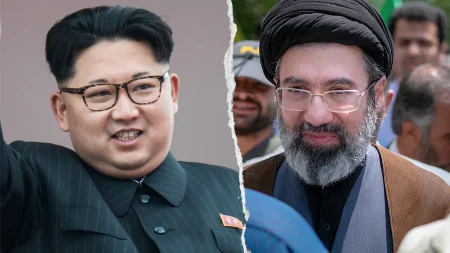
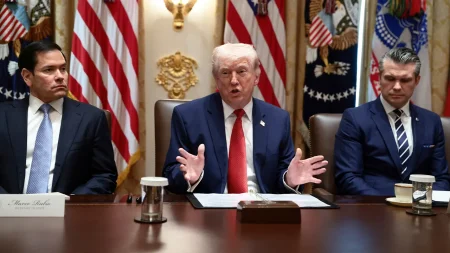
Imagine waking up to news that the son of one of the world’s most powerful figures has just stepped into his father’s shoes, wielding even greater influence over a nation grappling with internal turmoil and external threats. That’s the reality unfolding in Iran with Mojtaba Khamenei’s appointment as the new supreme leader, following reports that he’s been selected to succeed his father, Ayatollah Ali Khamenei. For many observers, this isn’t just a family handoff—it’s a turbocharged continuation of the regime’s grip on power. Kasra Aarabi, a leading expert on Iran’s Islamic Revolutionary Guard Corps (IRGC) at United Against Nuclear Iran, likens Mojtaba to his father “on steroids.” He points out that Mojtaba was already acting as a sort of deputy supreme leader from within the Bayt-e Rahbari, his father’s office that serves as the heart of Iran’s political machinery. This “hidden power structure” was deliberately built by the elder Khamenei to ensure the regime survives any disruptions, like assassinations or coups. By selecting his son, it’s as if the system is self-perpetuating without missing a beat. Journalists and analysts have been buzzing about this transition, especially in light of recent tensions, including Israeli strikes that decimated Iran’s leadership ranks. With the IRGC’s support playing a pivotal role in Mojtaba’s rise amid heated debates and controversies, it feels like the regime is doubling down on its core institutions. As one Iranian source close to the inner workings put it, this wasn’t a seamless choice—it was forged under pressure, meaning Mojtaba will owe his position to the IRGC and must align with their hardline agenda. For everyday Iranians, this means more of the same oppressive atmosphere they’ve lived under for decades, with little room for the whispers of reform that flickered earlier. Trump, the former U.S. president who knows a thing or two about leadership vacuums, reacted sharply to the news, telling the New York Post that he’s “not happy” with Mojtaba’s elevation but wouldn’t spill the beans on any potential U.S. response. His cryptic tone adds to the intrigue, hinting at looming international pressure on this new era in Iranian politics.
Diving deeper into Mojtaba’s world, it’s clear this isn’t a cleric emerging from dusty seminary halls but a man forged in the fires of Iran’s secretive security state. Born in 1969 in Mashhad, he dove into clerical studies in Tehran just after the 1979 Islamic Revolution catapulted his father to supreme leadership. But while many associate ayatollahs with robes and religious decrees, Mojtaba’s power stems more from the shadows of Iran’s intelligence and military apparatuses. Analysts describe him as a behind-the-scenes operator, micromanaging everything from IRGC operations to voter turnout in elections. Picture a guy who, during massive protests, reportedly relocated command centers right into his office to keep a tight leash on dissent—it’s the kind of hands-on control that screams paranoia yet absolute authority. In 2019, the U.S. slapped sanctions on him under Executive Order 13867, labeling him an unofficial representative of his father despite no formal government post. His name popped up in connections to bans on cryptocurrency transactions linked to nuclear proliferation, painting him as a key player in Iran’s illicit dealings. Behnam Ben Taleblu from the Foundation for Defense of Democracies sums it up: Mojtaba is the embodiment of the regime’s “national security deep state,” relying on the IRGC rather than traditional clerical pedigree to maintain power. His reputation for antisemitism, anti-American sentiments, and orchestrating repression both inside Iran and terror plots abroad makes him a formidable, fearsome figure. Opposition voices within Iran whisper he’s “deeply ideological,” promoting so-called “purification” by installing loyalists across institutions to weed out any hint of moderation. It’s a strategy that mirrors his father’s, but amplified by Mojtaba’s thirst for influence. Think of him as inheriting a throne built on intrigue and strife, where every alliance is fragile and every decision could ignite a crisis.
Unpacking Mojtaba’s ascent reveals a guy who’s been prepping for this role his whole life, sidelining the conventional path of religious study for the brass-knuckles world of regime survival. Aarabi recalls how, over the years, Mojtaba has engineered election results to favor allies and repositioned loyalists into critical spots, ensuring no power vacuum could undermine the system. This isn’t charisma drawing crowds; it’s calculated maneuvering that keeps challengers at bay. The 2019 sanctions highlighted U.S. concerns, accusing him of channeling funds through shadowy networks to evade detection. For Iranians who dream of change, his track record is daunting—tied to crackdowns that silenced voices during uprisings. Ben Taleblu warns that this shift just accelerates trends already brewing in Iran’s politics: from escalating external tensions to internal purges. Corruption, he notes, seems familial, suggesting Mojtaba might leverage crises to distract from the regime’s weaknesses. Analysts like him foresee Iran using threats to extract concessions, possibly ramping up proxy conflicts or nuclear brinkmanship to stay afloat. ops position echoes his father’s legacy, where ideology trumps pragmatism. Anecdotes from insiders suggest he’s involved in real-time decisions, like intervening in security matters during protests, showing a leader who thrives on chaos to cement control. Humanizing this: Mojtaba isn’t some abstract villain in headlines; he’s a son molded by decades of isolation and power plays, reflecting how regimes breed dynasties to outlast threats. Trump’s reluctance to comment on responses implies the U.S. views him as a destabilizing force, potentially prompting covert actions or diplomatic isolation. Yet, for everyday people, it underscores the cycle of fear—knowing reforms seem farther away than ever.
Delving into the implications, Mojtaba’s rise signals a hardening of Iran’s stance, where security hardliners gain even more sway. Experts argue his appointment isn’t reform but reinforcement, with the IRGC effectively choosing a puppet who’ll toe their line on everything from domestic dissent to foreign adventures. An Iranian source, speaking anonymously to avoid reprisals, shared that earlier hopes for reforms—like loosening political freedoms or warming ties with the West—have evaporated. Mojtaba’s ascension was mired in disputes, pressured by the IRGC, so he’s indebted to them, unable to pivot without risking everything. This paints a picture of a leader shackled by necessity, not innovation. Ben Taleblu predicts things could “go from bad to worse,” with external escalations as a survival tactic—think inflamed conflicts in the region to rally support. Opposition figures, like Khalid Azizi from the Kurdistan Democratic Party of Iran, see it as simple continuity: “He’s the son of Khamenei with the same ideology and strategy.” For them, no big shifts are expected; it’s more repression, more isolation. Human touches emerge in the stories of those affected—families torn by sanctions, activists living in fear, or expatriates dreaming of a freer Iran. The regime’s desperation is palpable, using crises to justify power grabs, reminding us of leaders who sacrifice futures for the present. Trump’s “not happy” stance hints at potential backlashes, like tighter sanctions or confrontations, that could ripple into Iranian lives. In essence, Mojtaba’s world is one of calculated feuds, where trust is scarce, and every move is a gamble for control.
For opposition forces and ordinary citizens, this succession feels like a déjà vu of authoritarian rule, where change is whispered but never realized. The source stressed that ties with the U.S. or West remain unlikely, with the IRGC’s veto power over any outreach. Analysts like Aarabi foresee no moderation, labeling Mojtaba an unyielding ideologue who’s “certainly no MBS”—referring to Saudi Arabia’s reformist crown prince. Instead, expect intensified antisemitism and anti-Western rhetoric, backed by actions that deepen divisions. Stories from inside Iran highlight the human cost: students censored, minorities suppressed, economies strangled by isolation. Trump’s cryptic comments add suspense, suggesting America might not wait idly as Iran solidifies under new leadership. Personal anecdotes from diplomats recount tense negotiations turning sideways, showing how Mojtaba’s reputation for micromanagement could stifle diplomacy. Yet, there’s a flicker of resilience in opposition narratives—groups like Azizi’s believing perseverance might one day crack the facade. Humanizing the narrative, we see Mojtaba as a product of his environment: a man shaped by revolution’s legacy, prioritizing survival over progress, leaving families to navigate a landscape of uncertainty and hope deferred.
In wrapping this up, Mojtaba Khamenei’s elevation isn’t just a political event; it’s a human drama of inheritance, power, and perseverance. From his roots in revolution to his shadowy maneuvers, he embodies the regime’s unyielding core. Reactions from Trump signal global apprehension, while analysts warn of darker days ahead. The IRGC’s stamp ensures continuity over change, dashing reform hopes. For Iranians, it’s a reminder that leadership transitions often perpetuate cycles of control. As Aarabi puts it, he’s his father on steroids—more intense, more intertwined with security forces. Yet, in the human story of this shift, there lies the tragedy of a nation held hostage by its past, yearning for a future free from such inheritances. Watching this unfold, one can’t help but reflect on how personal ambitions weave into national fates, urging us to listen closely as these articles narrate the unfolding tale.