





I remember the first time I stumbled upon the intricacies of Middle Eastern diplomacy back in my early reporting days—it felt like unraveling a tapestry woven with layers of history, religion, and raw power plays. Now, with indirect talks kicking off between the United States and Iran in Oman on a crisp Friday afternoon, there’s this palpable tension in the air, as if the world is holding its breath. Vice President JD Vance, speaking on Megyn Kelly’s podcast earlier that week, laid it out bluntly: it’s bizarre to negotiate with a country where you can’t even sit across from the guy who truly calls the shots. Imagine trying to broker a deal for world peace without ever meeting the king—frustrating doesn’t even cover it. Vance called the whole setup “very weird” and “complicated,” echoing what many in Washington feel deep down. As someone who’s spent years following these geopolitical chess games, I can’t help but think of it like a family feud where the patriarch sits in the shadows, pulling strings while proxy uncles hash it out at the kitchen table. These talks aren’t direct; they’re mediated through back channels, avoiding the glare of public eyes, but the elephant in the room remains: where’s the supreme leader?
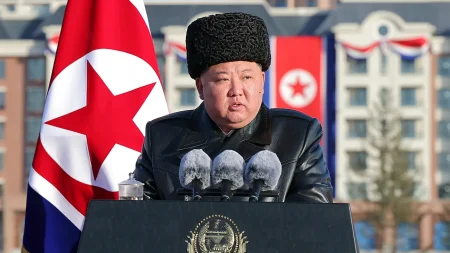
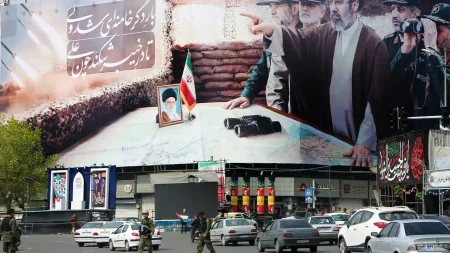
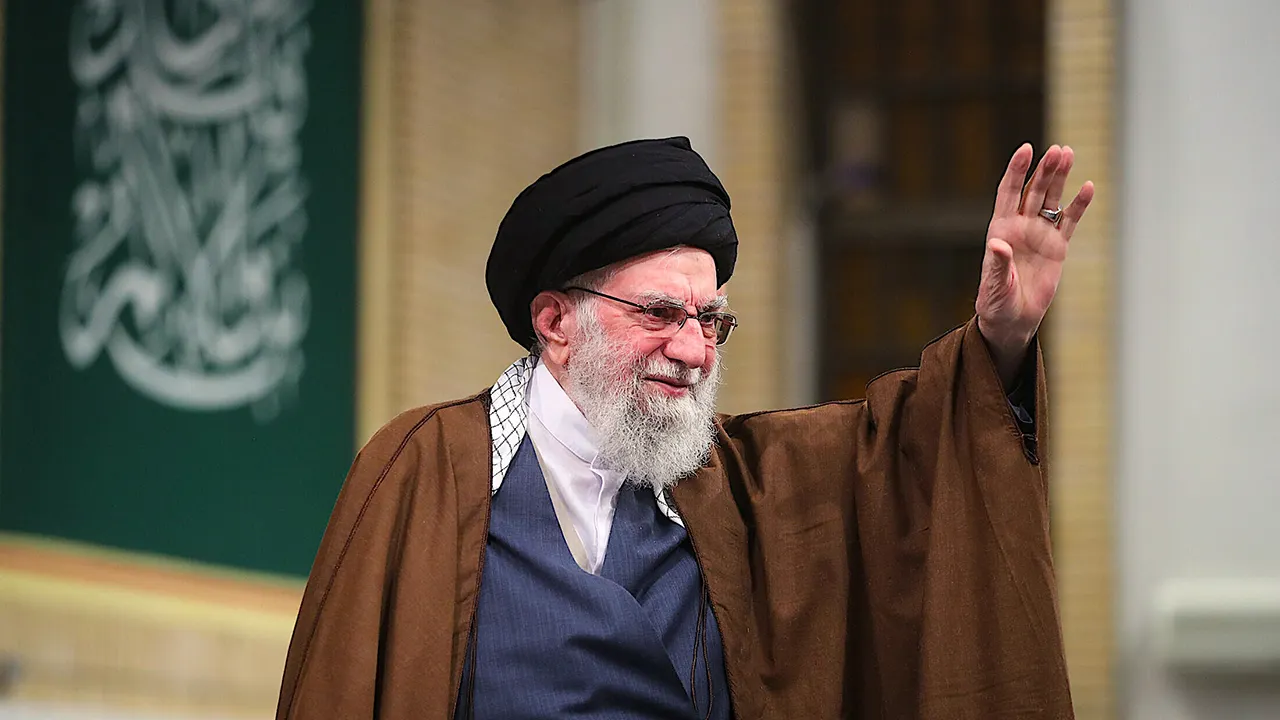
Ayatollah Ali Khamenei has been Iran’s supreme leader since 1989, and at 86, he’s the unchallenged force behind Tehran’s throne—a blend of spiritual guide and iron-fisted ruler that few figures in modern history can match. Picture this: a man who controls the military, appoints key security chiefs, heads the judiciary, and even has sway over strategic decisions that could tip the balance of power in the region. Experts like Sina Azodi from George Washington University break it down simply—he’s not just a leader; he’s the commander-in-chief, overseeing everything from the elite Revolutionary Guard to conventional forces. I’ve interviewed Azodi before, and he paints Khamenei as the nucleus of power, with no one above him in Iran’s theocratic republic. To humanize this, think of him as the family elder who’s been at the head of the table for generations, making decrees on everything from dinner menus to life-or-death matters. His authority flows from a Constitution that treats him like a living embodiment of divine will, and in a society where religion and politics intertwine like strands of fate, he’s untouchable. For outsiders, dealing with Iran means grappling with this reality: no deal sticks without his nod, and the concentration of power in one septuagenarian makes negotiations feel eternally precarious.
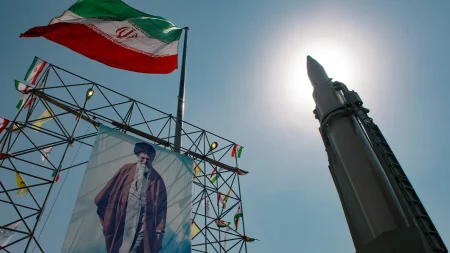
What strikes me—and what Vance was getting at—is why Khamenei refuses to join the table himself. It’s not just arrogance; it’s etched in Iran’s diplomatic DNA. As Azodi explains, the supreme leader doesn’t participate because there’s no “equal” rank in other countries’ systems. You know how in American politics, the president stands alone, but here, Khamenei is perceived as on a pedestal, dealing only through layers of protocol. Iranian flags fly solo when foreign leaders visit; no symbols from the outside world dilute the sanctity. From my perspective, having traveled to Tehran and spoken with insiders, this feels like an extension of Khamenei’s worldview—a man shaped by decades of enmity toward the West, viewing direct talks as beneath him. It’s reminiscent of how old kings avoided face-to-face with vanquished foes, preserving the illusion of superiority. Even Iranian sources whisper that Khameini operates with a legacy mindset, treating the U.S. as eternal adversary, not partner. He sees every negotiation as part of a grand standoff, where compromise could tarnish his sacred image. Yet, this absence complicates everything, forcing the U.S. to parse signals through intermediaries who might just be buying time for regime entrenchment.
Diving deeper into Khamenei’s mindset, it’s almost like reading the biography of a character from a historical epic—one who’s lived through revolutions, sanctions, and shadows of regime change. Behnam Ben Taleblu, a fellow at the Foundation for Defense of Democracies, describes him as wielding immense influence yet wielding the ultimate veto, a leader who’s decisive but calculating. “Regimes that are afraid and lethal and weak can still be dangerous,” Taleblu warns, and it chills me because it captures the paradox: Iran signals openness to talks while amping up threats against U.S. assets in the region. Khameini, at this stage of his life, seems obsessed with legacy—preserving his name in history by resisting what he sees as American encroachment. It’s not just about nukes or missiles; it’s personal. I recall a Middle Eastern source, anonymized for safety, saying Khameini views confrontation as his defining role, unafraid of personal risk because survival of the Islamic Republic trumps all. For him, the protests in Iran aren’t mere unrest; they’re an “American coup,” tying back to 2025 conflicts. This legacy drive means diplomacy feels like navigating a minefield, where one wrong step could ignite a war. Azodi adds that Khameini believes the U.S. aims for regime change, so resistance is non-negotiable—bizarre from our vantage, but perfectly logical in his worldview.
On the ground in Iran, the frustration with Khameini is simmering like a pot about to boil over, and it’s a human side that pulls at the heartstrings. A journalist I connected with, reporting anonymously from inside the country, shared stories that hit home—people whispering in tea houses or scrolling on social media, openly wishing for the supreme leader’s death. “Why doesn’t he die?” they tweet, a cryptic refrain that everyone understands without naming names. It’s tragic, really; this octogenarian spiritual figure is seen by many as God’s rep on Earth, while leaders like our presidents are cast as Satan’s minions. Reform feels impossible; the only hope is generational change. Mehdi Ghadimi, an exiled Iranian journalist, echoes this bleak view, painting the regime as harboring deep-seated hatred toward Iranians and Jews, enforcing a global Islamic vision that’s antithetical to modernity. These “moderates” in talks? Ghadimi calls them fronts, created to lull the West while buying time for Khameini’s unyielding goals. Listening to these voices, I feel empathy for ordinary Iranians—trapped in a system where survival means enduring economic woes, suppressed freedoms, and a leader whose legacy overshadows their dreams. It’s not just politics; it’s a national soul-searching, where the supreme leader’s grip stifles hope.
Looking at the bigger picture, these talks aren’t isolated—they unfold against a backdrop of U.S. military deployments, Iran’s nuclear advancements, and missile tests that have hotspots like Yemen and Lebanon on edge. For Washington, the core challenge persists: diplomats can chat, but the final say belongs to one man, forged in a crucible of anti-American fervor. As Vance’s comments highlight, negotiating without Khameini is like trying to solve a puzzle with half the pieces missing. And yet, I wonder if there’s a path forward—perhaps through persistence or unexpected openings. Khameini’s absence underscores how personal this all is; he’s not a faceless bureaucrat but the living embodiment of an ideology that clings to confrontation. From my lens, as someone who’s watched tensions ebb and flow, this feels like a defining moment: Will talks yield detente, or will legacy triumph over compromise? Iran-watchers like me stay tuned, knowing that in this drama, words alone can’t rewrite history. The region holds its breath, waiting for the supreme leader’s next move, even as ordinary lives hang in the balance.