


Iran’s Supreme Leader Signals Alignment with Russia Amid Growing U.S. Tensions
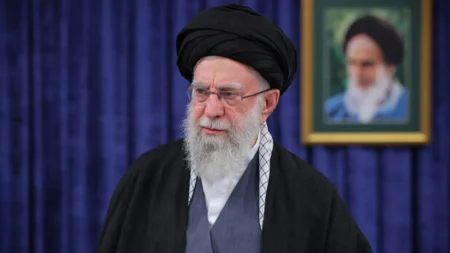
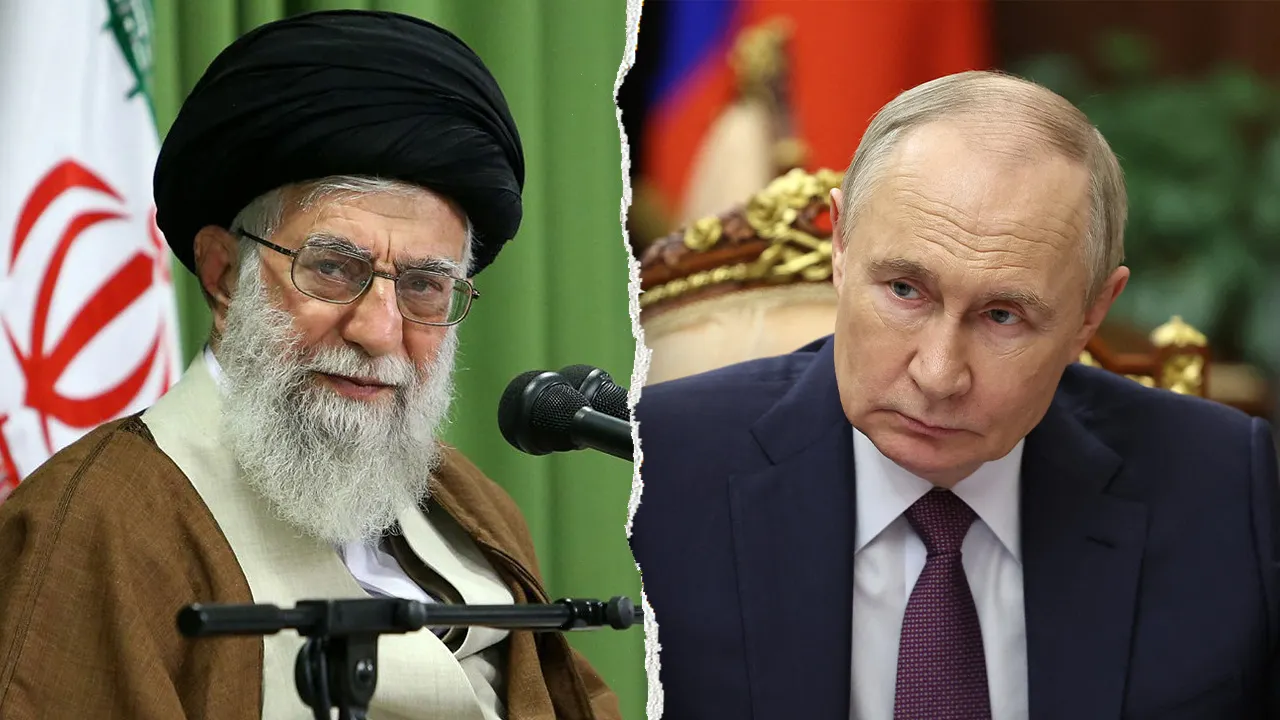
In a strategic move highlighting the deepening partnership between Tehran and Moscow, Iran’s Supreme Leader Ayatollah Ali Khamenei issued a stern warning to the United States this week via his Russian-language account on X. As Iran grapples with widespread domestic protests and increasing pressure from the Trump administration, Khamenei’s decision to communicate in Russian sends a clear message about Iran’s geopolitical positioning. “The United States today is miscalculating in its approach toward Iran,” he wrote, later adding that Americans had suffered defeat before due to “miscalculations” and would again because of “erroneous planning.” While the translation appeared rudimentary, possibly computer-generated rather than crafted by a human translator, the intent behind using Russian was unmistakable – Iran is signaling its alignment with Russia in what it perceives as a shared front against American influence.
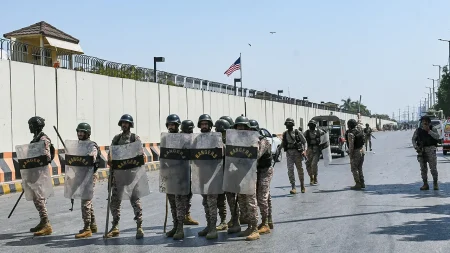
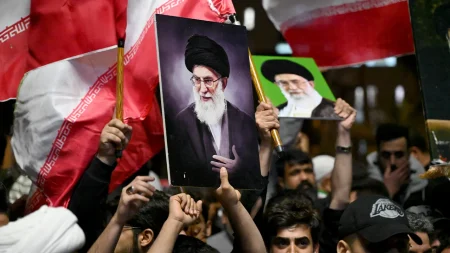
The backdrop for Khamenei’s warning is a deepening internal crisis within Iran, where protests have resulted in significant casualties. Human rights organization HRANA reports at least 544 people killed in the nationwide demonstrations, while opposition group NCRI claims a much higher toll exceeding 3,000 deaths. The actual figures remain difficult to verify amid internet blackouts imposed by Iranian authorities. President Trump has responded to the violence with increasingly critical rhetoric, stating on Air Force One that Iranian leaders “rule through violence” and that his administration was “looking at some very strong options.” These comments have heightened tensions between Washington and Tehran, with Iranian officials pushing back against what they view as American interference while simultaneously attempting to maintain diplomatic back channels.
Despite Iran’s efforts to keep communication lines open with the U.S. through Foreign Minister Abbas Araghchi and U.S. special envoy Steve Witkoff, Khamenei’s message in Russian underscores where Iran perceives its most reliable strategic alliance lies. The Iran-Russia relationship has evolved into a critical lifeline for both nations, particularly as Moscow has come to rely on Iranian-supplied drones and other military equipment for its war in Ukraine. This interdependence means that Iran’s internal stability has significant implications not just regionally but also for Russia’s military capabilities and strategic objectives. The Kremlin’s dependence on Iranian military production creates a situation where domestic unrest in Iran could potentially disrupt this crucial supply chain, adding another layer of complexity to an already volatile situation.
The partnership between Iran and Russia, however, is not without its tensions. Following Iran’s recent 12-day conflict with Israel, many Iranians criticized Moscow for failing to provide meaningful support when Tehran was under attack. This perceived abandonment created significant domestic backlash against the Russian alliance, with many Iranians questioning the value of a partnership that seemed one-sided during their moment of need. Yet despite these frictions, both nations find themselves with diminishing alternatives on the global stage. Russia’s traditional allies have weakened or fallen from power, as seen with Bashar al-Assad in Syria and Nicolás Maduro in Venezuela, leaving Moscow increasingly dependent on its relationship with Tehran, even as it remains largely silent about the protests challenging the Iranian regime.
The timing of Khamenei’s Russian-language warning is particularly significant as it comes during a period of escalating rhetoric between Iran and the United States. Iranian military leaders have threatened preemptive attacks against American forces, while simultaneously describing their country as being in a “total war” with the U.S., Israel, and European powers. These statements, combined with Khamenei’s message in Russian, create a multifaceted diplomatic signaling that appears designed to both deter American military action and reinforce Iran’s strategic alignment with Russia. The Iranian leadership seems to be calculating that by publicly positioning themselves within Russia’s sphere of influence, they can leverage this relationship as a deterrent against potential U.S. military interventions while simultaneously strengthening their bargaining position in any future negotiations.
The unfolding situation reveals the complex and shifting nature of global alliances in an increasingly multipolar world. For Iran, the Russian connection represents both opportunity and constraint – providing essential diplomatic cover and military cooperation while potentially limiting Tehran’s options for broader international engagement. For Russia, the partnership offers critical military and strategic benefits but also entangles Moscow in Iran’s volatile domestic politics and regional conflicts. And for the United States, this alignment presents significant challenges to its policy objectives in the Middle East and beyond. As protests continue within Iran and international pressures mount, Khamenei’s decision to warn America in Russian speaks volumes about how Iran perceives its strategic position – not as an isolated power, but as part of a broader coalition challenging American influence. The message may have been delivered in imperfect Russian, but its geopolitical implications are being clearly understood in Washington, Moscow, and capitals throughout the region.