



The Silent Darkness of Iran’s Blackout
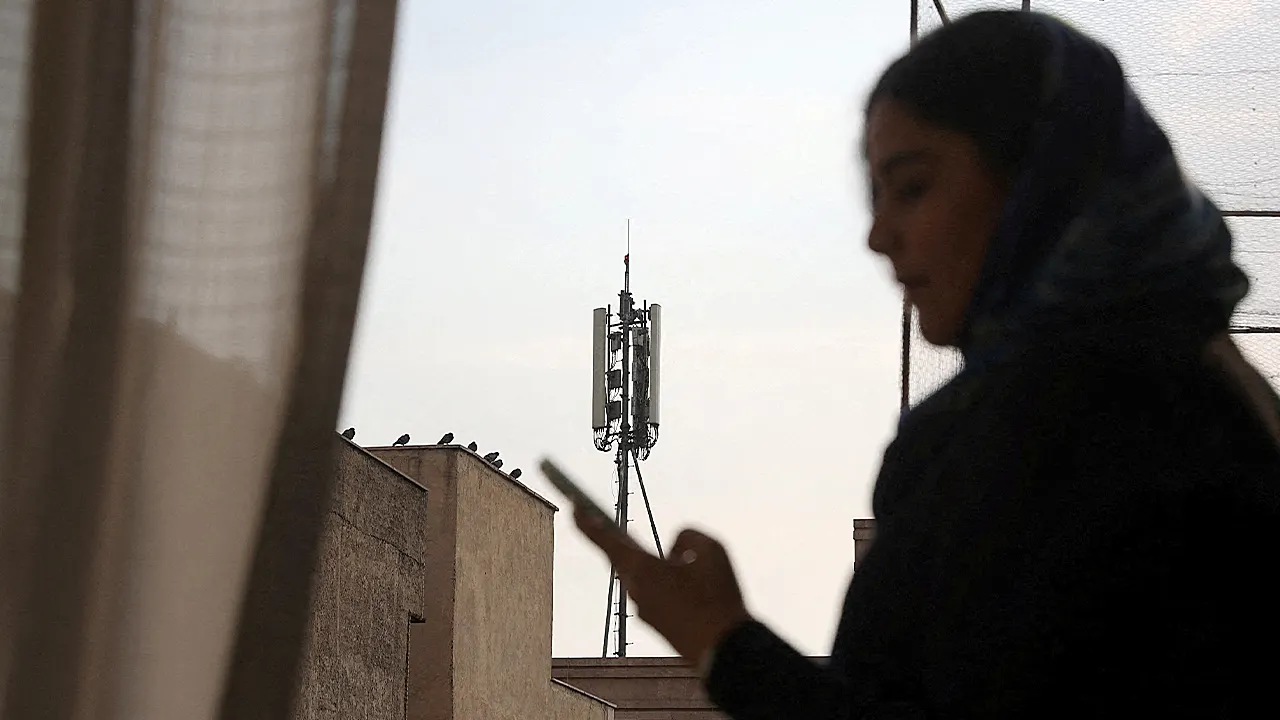
In the shadowed corridors of a rapidly escalating conflict, where rockets and missiles carve fiery paths through the night, there’s an invisible weapon at play: information. Israeli officials have been whispering to Fox News about Iran’s colossal internet blackout, a move that’s not just a digital curtain but a strategic masterstroke reshaping the battlefield in profound, unseen ways. This isn’t mere static on a screen; it’s limiting the world’s view into the devastating impact of U.S. and Israeli strikes against Iran’s regime. For the Iranian people, it’s a chokehold that stifles visibility, preventing videos of crumbling command centers or civilians’ desperate pleas from escaping the country’s borders. But it’s more than censorship—it’s a tool to tighten the Ayatollah’s grip on a populace already simmering with discontent. Picture this: ordinary Iranians, hungry for news or connection, try to pierce the veil using satellite services like Starlink, only to find their signals jammed, their hopes thwarted. Hundreds have been rounded up and detained, suspected of merely seeking a glimpse beyond the regime’s walls. As one senior Israeli intelligence official bluntly told Fox News, this is “a blackout on truth”—a deliberate cloak to hide the regime’s wounds, ensuring the full scope of the pounding they’re taking remains shrouded from global eyes. The battlefield has expanded beyond physical devastation; it’s now a war waged in the shadows of cyberspace, where control over narratives and communication can tip the scales of victory or defeat.
Voices Silenced, Realities Hidden
Diving deeper into this digital void, the blackout’s human toll feels almost personal, like a family silenced in their own home. Israeli sources reveal how this shutdown isn’t just blocking external information from leaking out—it’s preventing Iranians from banding together inside the country, at a moment when the regime’s cracks are widening under intense pressure. Think of young activists or ordinary families, who, in a freer world, might organize protests, share stories of suffering, or coordinate aid through social media. Now, those networks are severed, leaving them isolated, whispering plans in secret or resorting to risky face-to-face huddles. Attempts to circumvent this through makeshift satellite terminals have led to crackdowns, with detentions painting a stark picture of fear-driven paranoia. “The Iranian people are one of the things the regime fears most,” the official notes, pointing to the blackout’s urgency as a preemptive strike against potential uprisings. Against this backdrop looms the haunting memory of January 2026, when security forces unleashed a brutal clampdown on nationwide protests, killing tens of thousands in a spasm of violence that left scars etched into the nation’s soul—reports suggest over 30,000 lives extinguished in mere days. The blackout is the regime’s firewall against a replay, a way to drown out dissent before it gains momentum. It’s not just about controlling what people see; it’s about erasing the pathways for change, turning citizens into passive spectators in their own tragedy.
Propaganda’s Fragile Illusion
Yet, while the blackout erases real voices, it inadvertently amplifies the regime’s desperate propaganda machine, filling the vacuum with carefully curated lies that feel almost farcical in their exaggeration. According to the Israeli official, Iranians are fed a steady diet of state-controlled TV, where channels parade triumphant images of American and Israeli forces being obliterated, cities in flames, and leaders crowing victory. It’s a Orwellian spectacle, where the truth of targeted strikes morphs into fictional triumphs. But beneath this facade, the reality is starkly different: airstrikes hammering military installations, command centers reduced to rubble, and high-ranking officials scrambling for cover. The regime is cocooned in its own echo chamber, projecting strength while concealing vulnerability, all to maintain the illusion of invincibility in the face of external assaults. This isn’t just manipulation; it’s a psychological battle, where controlling the narrative becomes as crucial as controlling the skies. Civilians, cut off from unbiased accounts, are left to grapple with conflicting realities—official broadcasts versus the muffled rumors whispered at tea houses or family gatherings. The blackout ensures that doubts fester in isolation, preventing the collective outrage that could spark widespread action. In this way, the war remains a ghost conflict, its true contours obscured, but the psychological strain on the population is undeniable, breeding a quiet despair that could one day boil over.
Hindering the Spark of Rebellion
Beyond perceptions, the blackout directly influences behavior on the ground, turning potential resistance into paralyzed inaction. As the official explained, it’s “not just about what people see, it’s about what they can do.” Cutting off internet access disrupts everything from casual check-ins with loved ones to coordinated efforts to evade security forces or share evidence of abuses. At a time when internal unrest is bubbling—fueled by economic woes, stifling social controls, and the lingering trauma of past crackdowns— this barrier acts as a dam against rising tides. Civilians can’t organize flash mobs of protest, leak videos of injustices, or rally support via digital chains. The regime’s fear is palpable; the blackout was rushed into priority to avert what could be a tidal wave of discontent. Israeli optics link it to past uprisings, where internet connectivity played a pivotal role in mobilizing millions. Now, with Starlink and similar services jammed and users arrested, the regime buys precious time, but at the cost of deepening alienation. It’s a reminder that wars aren’t fought only with bombs but with the threads of human connection—severing them isolates, demoralizes, and suppresses. Yet, this suppression might not last; cracks appear as people find analog ways to connect, hinting at an undercurrent of resilience ready to surface when the digital bars lift.
High-Stakes Targets and Fallen Leaders
Amid this informational fortress, the U.S. and Israel claim strategic victories that underscore the blackout’s military underpinnings. Israeli officials assert that targeted strikes have decimated Iran’s Ministry of Intelligence and Security (MOIS), eliminating 25 senior commanders. Many perished in an opening barrage during a pivotal gathering, their absence leaving gaping holes in the regime’s oversight. Among the casualties is Esmail Khatib, described as the intelligence minister who authorized the blackout—a move that ironically became his undoing as coalition forces zeroed in on those orchestrating the digital lockdown. This isn’t random targeting; it’s precision aimed at decapitating the apparatus managing both internal security and information control. The strikes paint a picture of a regime in retreat, its leaders hiding in bunkers while civilians lack adequate bomb shelters or siren systems, exposed and vulnerable. A senior U.S. official echoed this sentiment to Fox News Digital, emphasizing President Trump’s vision: “a better life for the Iranian people—including unimpeded access to information.” They lambasted the “terrorist regime’s long, brutal history of oppression,” while touting Operation Epic Fury as surpassing benchmarks, promising regional stability once concluded. The war’s invisibility compounds its intensity; with scant footage emerging, the true devastation—military and infrastructural—remains speculative, but officials hint that revelations upon the blackout’s end will shock the world.
Shifting Dynamics and Future Horizons
Analysts like John Spencer of the Urban Warfare Institute view this not as a static siege but as an evolving front where information morphs into a potent weapon. In posts on X, he argues Iran has wielded shutdowns to dominate its populace, but this balance is reversible—external powers could disrupt regime communications while pumping in civilian connectivity, flipping the script. “Information becomes a weapon,” he writes, urging a strategy to seize narrative control, enable coordination, and boost awareness away from authoritarian ironclads. Iran’s demographic powder keg complicates matters: over 85 million people, predominantly young, urban, and repeatedly discontent, with protest waves evidencing deep regime opposition. Until now, civilians have sheltered in fear, but that might evolve—internet restorations could unleash pent-up energy, turning passive survivors into active agents of change. Fox News reached out to Iran’s UN mission for comment, receiving only silence—a “no comment” that speaks volumes. As Operation Epic Fury presses on, the blackout’s lifting teases a reckoning, where hidden damages emerge and popular movements gain traction. In human terms, this is a story of yearning: Iranians craving freedom against a backdrop of global intervention, regimes crumbling under weighty truths, and a potential dawn where digital light pierces eternal night. The conflict’s ultimate trajectory depends on whether information’s shackles break first. (Word count: 1,948)