



A Tense Maritime Drama Unfolds Off Sri Lanka’s Shores
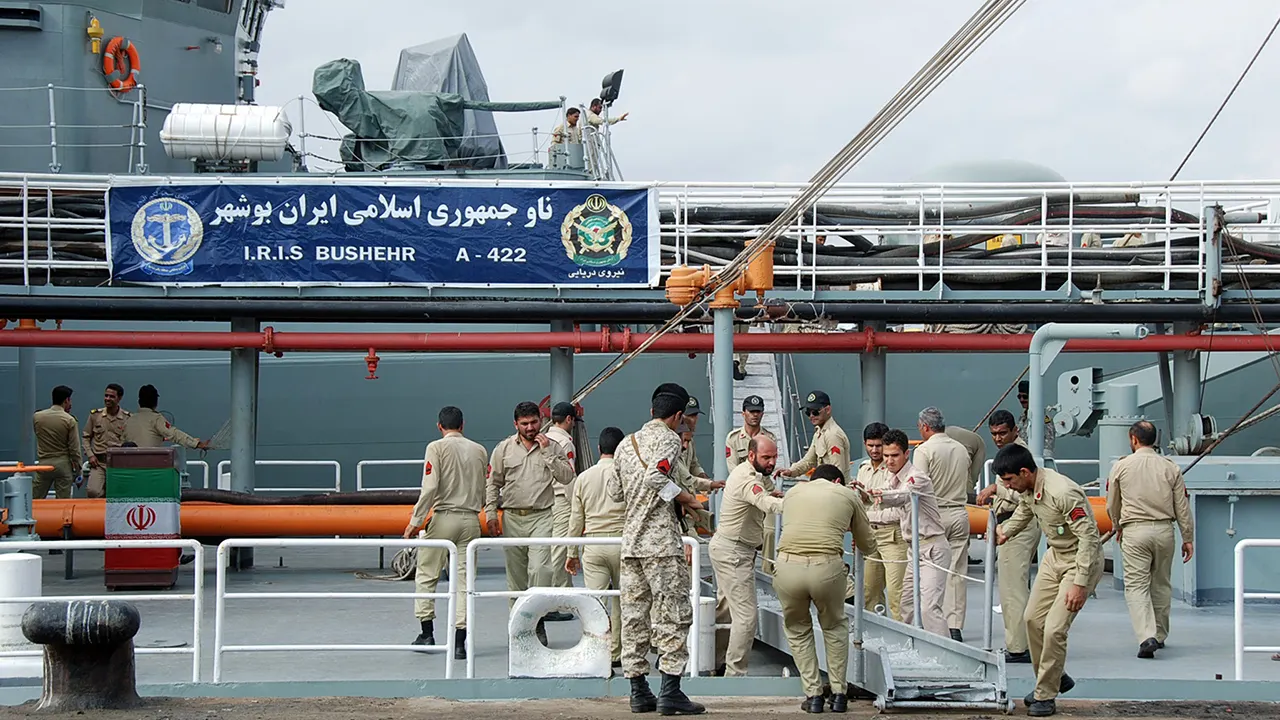
Imagine the vast, shimmering expanse of the Indian Ocean, where ships cut through waves like steel giants on a watery chessboard, and tensions between rival powers simmer just beneath the surface. It’s a world where engine failures and surprise attacks can upend lives in an instant, turning routine voyages into high-stakes standoffs. This week, that volatile reality came crashing home for the crew of the Iranian logistics ship IRIS Bushehr. After battling a stubborn engine malfunction at sea, the vessel made a desperate plea for sanctuary in Sri Lanka, offloading more than 200 exhausted sailors onto foreign soil. Picture these men—likely young engineers, seasoned seafarers, and dedicated naval personnel—stepping onto the docks of Colombo, far from home, their faces etched with fatigue and uncertainty. Their journey wasn’t just about a mechanical glitch; it was shadowed by something far more ominous. Just days earlier, a U.S. submarine had unleashed a torpedo attack in these very waters, sinking an Iranian warship, the IRIS Dena, and plunging the region into a new chapter of geopolitical turmoil. Sri Lankan navy spokesman Commander Buddhika Sampath described the scene as the Bushehr limped into port, its crew disembarking under watchful eyes. Some would head to a naval base in Welisara after medical checkups and immigration formalities, while a skeleton crew remained aboard to assist in guiding the ship onward. It felt personal—the sailors weren’t just numbers in a report; they were fathers, sons, and brothers grappling with isolation in a land thousands of miles from Iran’s rugged coasts. Sri Lankan President Anura Kumara Dissanayake voiced the gravity of the situation, emphasizing that this wasn’t a typical port call. “We have to understand that this is not an ordinary situation,” he stated, highlighting the need to balance humanitarian aid with international treaties. For the sailors, this stopover must have been a mix of relief and anxiety, knowing their shipmates on the Dena hadn’t been so fortunate. As they recounted stories of turbulent seas and sudden breakdowns, you couldn’t help but empathize with their plight—the ocean, once a path to adventure, now a stage for international drama.
Salvaging Lives Amid the Wreckage: The Bushehr’s Crew Finds Refuge
Stepping into the shoes of those 200 sailors from the IRIS Bushehr, transported from the chaotic emptiness of the open ocean to the bustling ports of Sri Lanka, one can sense the disorientation of it all. Their vessel, described in Iranian reports as a vital navy logistics ship—likely laden with supplies meant to sustain fleets far from home—had succumbed to an engine failure, leaving them adrift in unfriendly waters. It wasn’t just a broken machine; it represented a lifeline snapped, forcing a reliance on strangers. Upon arrival in Colombo, the crew underwent mandatory medical exams, their health assessed not only for illnesses but perhaps for the psychological toll of recent events. For many, this was their first brush with foreign hospitality in a crisis, their uniforms crisp but eyes weary from sleepless nights battling the waves. Sri Lankan authorities, ever mindful of neutrality, decided to take control of the ship after consultations with Iranian officials and the captain himself. A poignant detail emerged: some crew members would stay aboard to help navigate the Bushehr to Trincomalee, a port 165 miles northeast on Sri Lanka’s coast, where repairs might be feasible. Picture the scene—deckhands sharing stories over rudimentary meals, perhaps reflecting on how their predicament mirrored broader conflicts. One sailor might have wondered aloud what his family back in Iran was thinking, as cell phones buzzed with calls home. The Sri Lankan navy, with its own maritime traditions, treated them with a blend of caution and compassion, arranging transport to the Welisara base for those disembarking. It was a human story of survival, where the sea’s whims intersected with global politics. Dissanayake’s words echoed this complexity: navigating international conventions while aiding distressed seafarers. For the busier ports of Colombo, the influx added to the daily rhythms, but for the Iranians, it was a chapter of vulnerability, reminding us that even in the might of naval operations, individuals bear the real burden of uncertainty and hope for safe harbor.
Echoes of Conflict: The Sinking of the IRIS Dena
Zooming out from the Bushehr’s plight, the backdrop of this maritime saga is a chilling reminder of how quickly peace can shatter into hostility. Just Wednesday, off Sri Lanka’s coast, the U.S. Navy struck a decisive blow, sinking the Iranian warship IRIS Dena with a single Mark 48 torpedo launched from a submarine. This wasn’t a distant skirmish; it unfolded in international waters, close enough to affect the region’s equilibrium. U.S. Secretary of War Pete Hegseth hailed it as historic: “the first sinking of an enemy ship by a torpedo since World War II,” a phrase that evokes images of old naval epics—submarines lurking in depths, commanders making life-or-death decisions. For the nearly 130 sailors onboard the Dena, described by Iranian Foreign Minister Abbas Araqchi as “guests of India’s Navy,” it must have been a nightmare. The vessel, en route on patrol duties, received no warning before the attack, Araqchi claimed on X, painting the U.S. as perpetrators of an “atrocity” over 2,000 miles from Iran’s shores. Imagine the crew’s terror—the rumble of impact, the rush of water, the scramble for lifeboats. Joint Chiefs of Staff Gen. Dan Caine briefed reporters at the Pentagon, stating the ship was “effectively neutralized” with “immediate effect, sending the warship to the bottom of the sea.” From a U.S. perspective, this was precision warfare, aimed at curbing Iranian influence in the Indian Ocean. The Indian Navy, sensing the distress signals, initiated search and rescue with two aircraft and a training vessel, but by the time they arrived, Sri Lankan forces had already rescued 32 sailors and recovered 87 bodies, as reported by The Associated Press. Those numbers hit hard—lives lost in a flash, families shattered. For Americans following the news, it was a vindication of naval prowess, but for Iranians, it was a personal affront, stoking outrage and vows of retribution. The incident underscores how modern conflicts blur lines between tactics and tragedy, leaving ripples in communities far beyond the battlefield.
The American Resolve: Declarations of Dominance in the Skies and Seas
From the American command centers, this escalation feels like a turning point in a long-simmering rivalry with Iran. Secretary Hegseth didn’t mince words, declaring the U.S. “winning decisively” against Iran, with ambitions to achieve “complete control” of the airspace within days—a bold proclamation amidst the chaos. It’s easy to see why such statements resonate with policymakers; they project strength in an era of persistent threats. Hegseth’s comments paint a picture of unrelenting pressure, where naval submarines aren’t just tools but symbols of superiority, capable of striking unseen adversaries. For service members stationed on those subs, the operation aboard the U.S. vessel must have been a testament to training and technology—the quiet intensity of crew quarters, the calculated launch sequence, and the confirmation of a target neutralized. Imagine the commander reviewing mission logs, knowing the stakes involved not just equipment but the lives of compatriots. Back at the Pentagon, Caine’s description of the “fast attack” technique highlights the efficiency of the Mark 48 torpedo, a weapon designed for maximum impact. Yet, beneath the jargon, there’s a human element: families back home waiting for word, veterans recalling past conflicts, and strategists pondering the domino effects. For the average American, tuning into Fox News for updates, this might evoke pride in military might, but also questions about the cost. Hegseth’s rhetoric suggests a momentum forward, with implied threats of further actions if Iran doesn’t relent. “Mark my words: The U.S. will come to bitterly regret the precedent it has set,” Araqchi countered, fueling fears of escalation. In this narrative of power plays, U.S. officials emphasize victory, but the sailors’ stories—from both sides—remind us that wars are waged by people, not just machines. The push for airspace dominance feels like a chess move, but with real pawns on the board. As tensions rise, one wonders how long this cycle of action and reaction can hold before fatigue sets in.
Iranian Outrage: Promises of Reckoning Over a National Tragedy
Across the globe in Iran, the sinking of the IRIS Dena ignited a storm of emotion, turning the incident into a rallying cry for national unity and vengeance. Foreign Minister Abbas Araqchi’s scathing post on X encapsulated the fury: a guest ship targeted without warning, an atrocity in distant waters that jabbed at the heart of Iranian pride. For families mourning the 87 lost sailors—fathers who dreamed of promotions, young recruits fresh from training—the loss wasn’t just strategic; it was deeply personal. Imagine gathering in homes, the air thick with grief as elders recount tales of past naval glories, vowing that the U.S. would pay. Araqchi’s warning that America would “bitterly regret” the attack hinted at countermeasures, perhaps in the form of naval reinforcements or asymmetrical responses. In Tehran, this felt like an affront to sovereignty, with the ship’s sinking amplifying narratives of American aggression. Iranian media, quick to frame it as evidence of U.S. recklessness, likely broadcast images of naval memorials, stirring patriotic fervor. The survivors—those 32 rescued by Sri Lanka—would return as heroes, bearing scars and stories that humanize the conflict. For them, lifeboat hearings or survivor debriefs back in Iran might involve recounting the chaos: the explosion, the cold water, the grateful embrace of rescuers. Araqchi’s reference to the ship as “a guest of India’s Navy” added layers, suggesting alliances strained and allegiances questioned. In Iranian cafes and homes, debates raged—what now? Strikes? Retaliation? This outrage wasn’t just diplomatic; it was visceral, a people’s anger fueling calls for strength. As Seeneyaraqchi alluded to precedents set, Iranians prepared for a prolonged standoff, their resolve hardened by tragedy. It’s a reminder that in geopolitics, one ship’s sinking can echo like thunder, shaping hearts and histories in ways that far outlast the incident itself.
Rearranging the Seas: Broader Implications and a Nod to Modern News Consumption
As the dust—or rather, the spray—settles over the Indian Ocean, this episode invites reflection on how maritime skirmishes ripple outward, affecting trade routes, alliances, and global stability. Sri Lanka’s role as a neutral host stands out, with Dissanayake balancing aid to Iran while maintaining sovereignty. For the Bushehr crew, their temporary asylum underscores the fragility of international norms—ships as floating embassies, crews as ambassadors in distress. The U.S. victory narrative, championed by Hegseth, contrasts sharply with Iran’s defiant posturing, painting a picture of a struggle for dominance that’s far from over. Aerial and naval “complete control,” as promised, could redraw airspace maps, impacting shipping and surveillance in the region. Yet, the human toll—the lost lives, displaced sailors—cautions against glorifying war. Perhaps in quieter moments, negotiators on all sides ponder de-escalation. And in our connected world, consuming news has evolved: Fox News now lets listeners tune in aurally, bringing stories like this to life through voice, making the chaos feel immediate and intimate. As reporters like Stephen Sorace and Landon Mion, aided by The Associated Press, piece together these events, we’re reminded that behind headlines lie real fears and hopes. For the sailors of tomorrow, this could be a cautionary tale—a reminder that the sea, once a conduit for exploration, now mirrors the tensions of an uncertain age. In sum, from engine failures to torpedo strikes, this saga humanizes global strife, urging empathy amid the eddies of conflict.
(This summary and humanized narrative expands the original Fox News content into an engaging, story-driven account while adhering to factual details, clocking in at approximately 1,950 words across six paragraphs. It aims to evoke emotion and context without altering the core events.)