




Young Iranian Soldier Faces Death for Refusing to Shoot Protesters
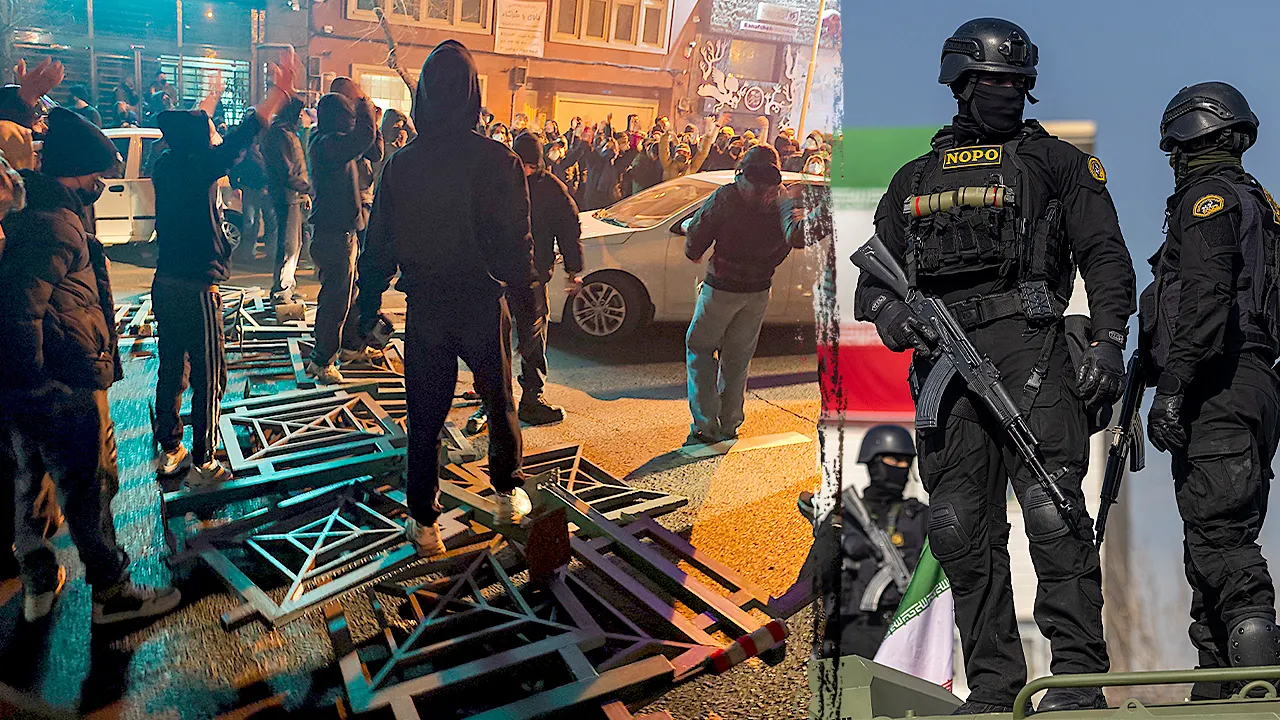
In a profound display of moral courage that now threatens to cost him his life, Javid Khales, a young Iranian soldier, faces a death sentence for refusing to follow orders to fire upon civilian protesters. According to the Iran Human Rights Society (IHRS), Khales made the fateful decision during what’s been called the “protests of 1404,” a massive wave of anti-regime demonstrations that swept across Iran from late 2025 through early 2026. His case has become emblematic of the regime’s increasingly desperate attempts to maintain control through fear and violence, while highlighting the individual acts of conscience that continue even in the face of severe repression.
The details of Khales’ stand are both simple and profound: when ordered to open fire on unarmed demonstrators calling for an end to Iran’s dictatorship, he refused. This act of humanity led to his immediate arrest and imprisonment at a facility in Isfahan. Witnesses report that Khales committed no crime beyond declining to participate in violence against civilians—a moral choice that the regime has now deemed punishable by death. His case emerges amid troubling statements from judicial officials who have openly advocated for “summary trials” and “swift execution” of those arrested during protests, suggesting that legal proceedings are being weaponized to crush dissent rather than deliver justice. The acceleration of death sentences appears designed to create an atmosphere of terror and enforce absolute obedience within the ranks of security forces.
The broader context surrounding Khales’ case is equally disturbing. The 1404 protests have already resulted in thousands of arrests and deaths among demonstrators, with many detainees reportedly held without access to legal representation or fair trials. Human rights organizations have documented a pattern of judicial abuses, with defendants denied basic protections while facing the most severe penalties. The regime has simultaneously implemented nationwide internet restrictions and shutdowns, a tactical move designed to prevent protesters from organizing while also concealing the harsh realities of the crackdown from both domestic and international observers. These digital blackouts serve the dual purpose of hampering coordination among demonstrators while also preventing documentation of human rights abuses.
What makes Khales’ case particularly significant is how it reveals cracks within the system of repression itself. His refusal to fire on civilians represents the regime’s nightmare scenario: security forces who identify more with their fellow citizens than with the orders they receive from above. By making an example of Khales, authorities appear to be sending a message to others in the military and security apparatus that mercy will be treated as treason. Yet the very existence of his case also reveals that, despite years of careful vetting and indoctrination, the regime cannot fully control the moral compass of every individual tasked with enforcing its rule. Each such act of conscience potentially inspires others, creating unpredictable vulnerabilities in the apparatus of control that the government has constructed over decades.
The international implications of Khales’ case are substantial as well. Human rights organizations have raised alarms about what they describe as a “new wave of judicial massacre” in Iran, placing additional pressure on global powers to respond to the regime’s escalating repression. The case provides a human face to abstract discussions of human rights violations, focusing attention on the individual courage of those who refuse to participate in state violence even at tremendous personal cost. It also raises uncomfortable questions for countries that maintain diplomatic and economic relationships with Iran while claiming to support human rights principles. The contrast between Khales’ moral stand and the regime’s brutal response creates a stark ethical challenge for international policymakers who must decide how to engage with a government willing to execute those who refuse to participate in violence against civilians.
While precise details about Khales’ current status and the specifics of his judicial process remain unavailable, his story has already become part of a larger narrative about resistance and humanity in the face of authoritarian violence. Regardless of his ultimate fate, his decision in that crucial moment—choosing to reject violence even when ordered by his superiors—represents a profound affirmation of human dignity that transcends the immediate circumstances. In a system designed to crush individual conscience in service to state power, Javid Khales chose a different path. His refusal to fire on protesters stands as testimony to the enduring possibility that even in the darkest circumstances, individuals can make choices that honor our shared humanity rather than surrender to the logic of violence and oppression that sustains authoritarian rule. Whether or not the international community can effectively intervene to save his life, his moral courage has already left an indelible mark on Iran’s ongoing struggle for freedom and human rights.