


Iranian Protests Intensify with Appeals to Trump Amid Government Crackdown
In the heart of Tehran, a protester carefully removes a street sign and replaces it with one bearing the name of former US President Donald Trump—a powerful symbolic gesture that represents the growing boldness of Iran’s nationwide demonstrations. This scene, captured on video and shared widely online, is just one example of how Iranian protesters are directly appealing to international figures as they face an increasingly violent government crackdown. “Don’t let them kill us,” read handwritten signs displayed by demonstrators, their desperation evident as security forces deploy tear gas and armed units throughout the capital and beyond. Holly Dagres, a senior fellow at the Washington Institute, noted the significance of these appeals, writing that she has observed numerous videos of protesters either thanking Trump or, as in this case, renaming streets after him following his supportive comments about the demonstrations.
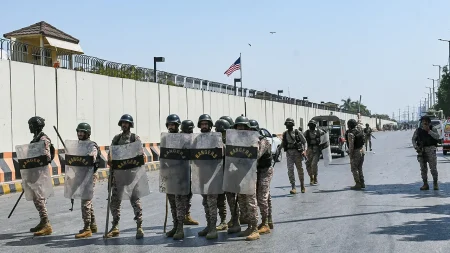
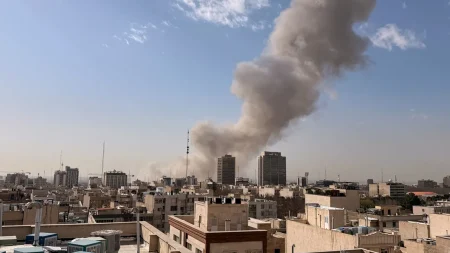
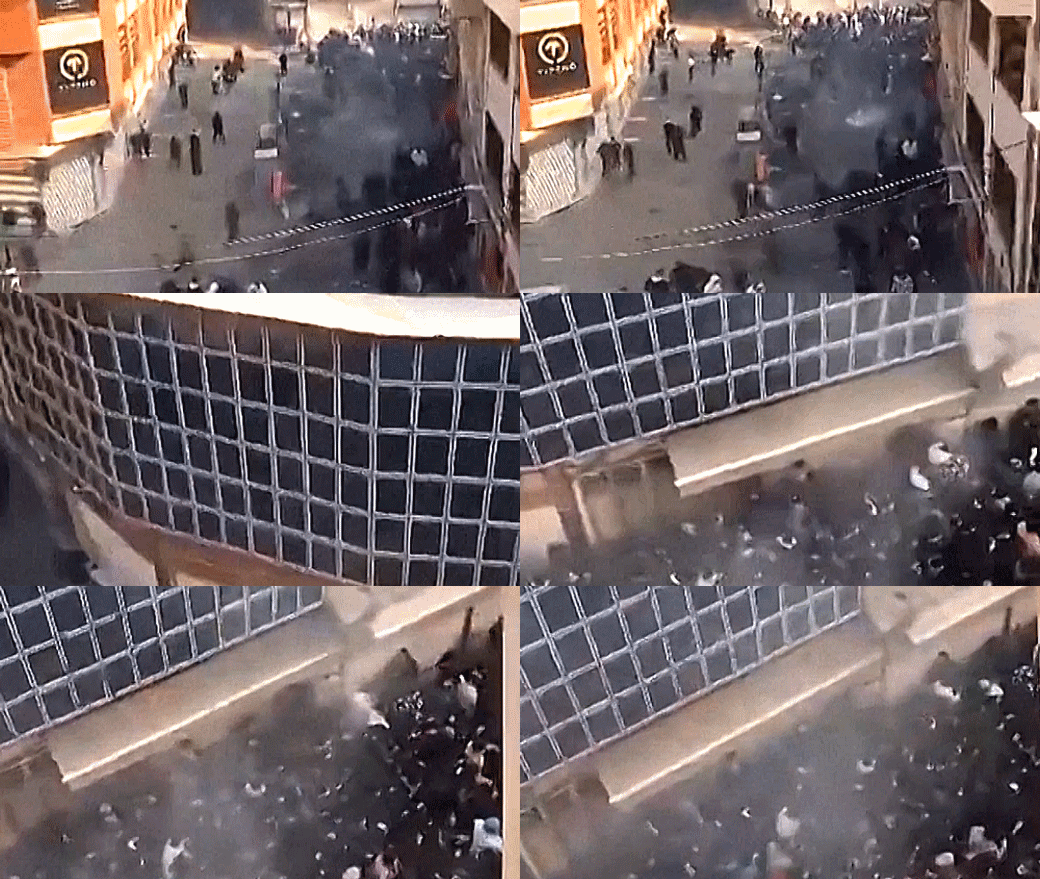
The scope of the protests has expanded dramatically, with demonstrations reported in over 100 cities across Iran, including major urban centers such as Tehran, Tabriz, Qazvin, Kermanshah, Kerman, Shiraz, and Bandar Abbas. Tehran’s Grand Bazaar, a traditional commercial hub with significant historical and economic importance, has emerged as a focal point of the unrest. The involvement of merchants and the bazaar class represents a crucial development in the protests, as this traditionally conservative group has historically played a pivotal role in Iranian political movements. Videos show large crowds gathering in these commercial districts, chanting anti-regime slogans as authorities respond with increasingly aggressive tactics. Security operations have even extended into sensitive civilian locations, with footage showing tear gas being deployed near or inside Tehran’s Sina Hospital and the Plasco Shopping Center, raising serious humanitarian concerns.
Reza Pahlavi, the exiled Iranian opposition leader and son of the last Shah, believes the current unrest represents an unprecedented opportunity for regime change. “In all these years, I’ve never seen an opportunity as we see today in Iran,” Pahlavi said in a televised interview. He emphasized that “Iranian people are more than ever committed to bringing an end to this regime,” pointing to the extraordinary scale of the demonstrations as evidence of a potential tipping point. According to Pahlavi, the involvement of Iran’s traditional merchant class in the protests marks a critical turning point, and he claims to see “more and more defections” from within the regime’s support base. His assessment is unequivocal: “Either way, the regime is crumbling and is very close to collapsing.”
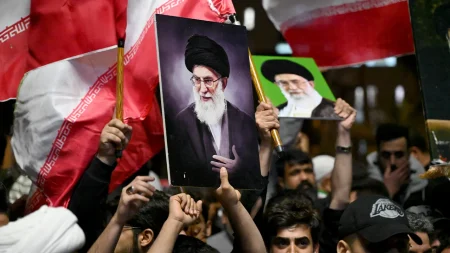
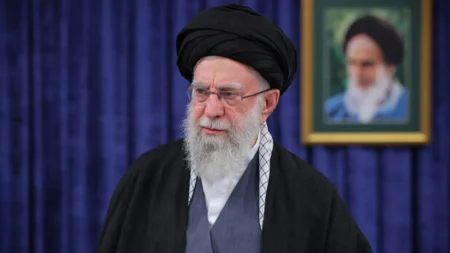
The human cost of the protests continues to mount as security forces intensify their response. According to the Human Rights Activists News Agency, at least 36 people have been killed since the demonstrations began, including 34 protesters and two members of Iran’s security forces. The agency also reports that more than 2,000 people have been arrested nationwide, though Iranian authorities have not released updated official figures. Videos circulating online show demonstrators lighting fires in the streets of Shiraz and chanting “Death to Khamenei,” directly challenging Supreme Leader Ali Khamenei, the country’s most powerful figure. In Qazvin, protesters were heard making appeals to law enforcement, chanting “Law enforcement, return to the side of the nation”—a clear attempt to encourage defections from the security apparatus.
The protests have gained additional momentum through widespread labor actions, with workers joining the unrest through strikes and workplace demonstrations. Reports indicate work stoppages at critical infrastructure locations such as the South Pars gas refinery, potentially threatening the country’s energy production capabilities. Commercial districts have also been affected, with widespread shop closures reported at major markets in Tehran and Tabriz. These economic disruptions add a significant dimension to the protests, applying pressure to the regime beyond street demonstrations alone. The participation of workers and merchants represents a broad-based movement that crosses social and economic classes, creating a more substantial challenge to the government than previous protest waves.
As the situation continues to evolve, international attention has become a crucial factor in the protesters’ strategy. The direct appeals to foreign leaders, particularly Trump, reflect both the demonstrators’ desire for international support and their recognition of the importance of global visibility for their cause. While previous protest movements in Iran have been brutally suppressed when they faded from international headlines, demonstrators appear determined to maintain momentum and visibility this time. The symbolic renaming of streets, handwritten appeals, and other gestures directed at international audiences suggest a sophisticated understanding of how global attention might provide some measure of protection against the most extreme forms of government repression. However, with security forces escalating their response and casualty numbers rising, the coming days will be critical in determining whether this wave of protests can sustain itself long enough to create lasting political change.