






Iranian Protests Escalate as Economic Crisis Deepens
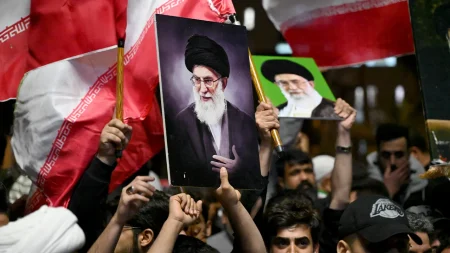
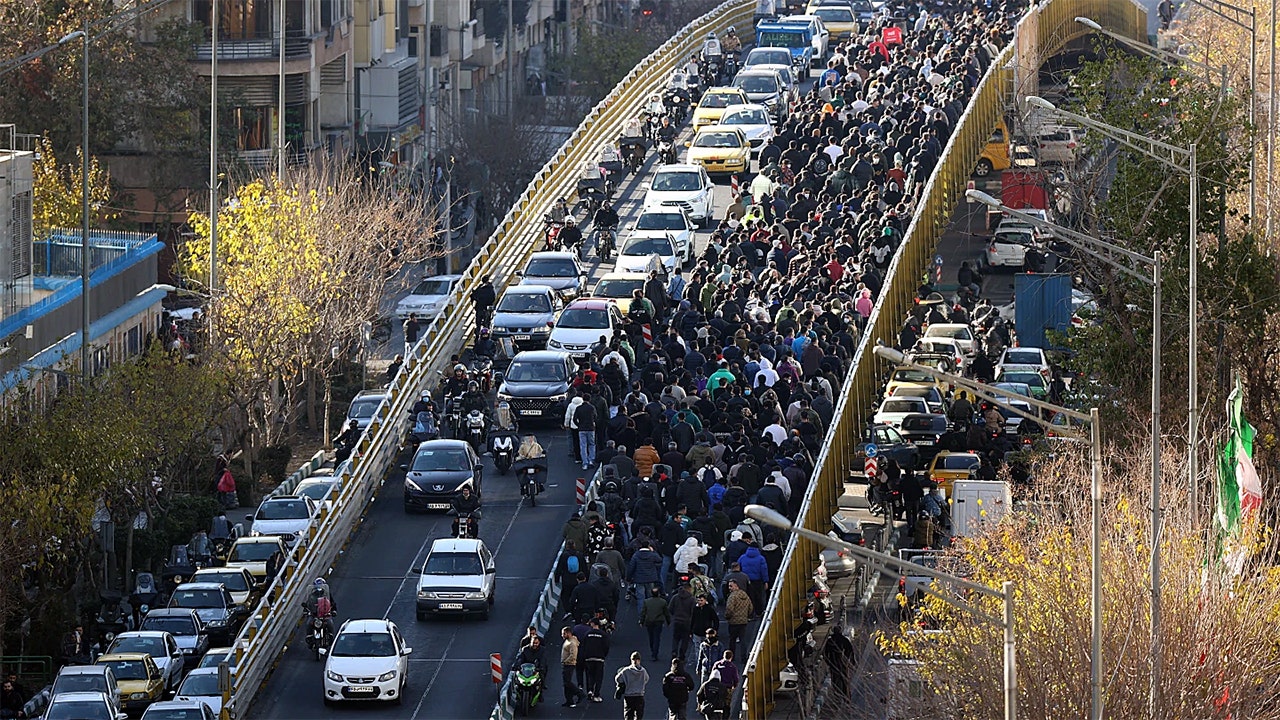
In a striking display of public discontent, protests surged across Iran on Monday as demonstrators faced off with security forces in major cities including Tehran and Mashhad. What began as economic protests have quickly evolved into something more politically charged, with merchants closing their shops in solidarity and crowds chanting anti-government slogans throughout commercial districts. The scenes unfolding across Iran paint a picture of a population increasingly frustrated with economic mismanagement, inflation, and political repression under the current leadership. In Tehran’s historic Grand Bazaar and surrounding commercial areas, normally bustling with activity, shuttered storefronts have become symbolic of the growing resistance movement, as protesters risk harsh retaliation to make their voices heard.
The confrontations turned central Tehran into a battleground, with security forces deploying tear gas and batons to disperse crowds that gathered along Jomhouri (Republic) Street before spreading to nearby areas including Naser Khosrow Street and Istanbul Square. According to the National Council of Resistance of Iran, an opposition group monitoring the situation, demonstrators responded defiantly with chants of “Shameless! Shameless!” when faced with force. The courage displayed by protesters was remarkable, as they pushed back against authorities, forcing security personnel to retreat from several areas. Video footage circulating online captured the intensity of these confrontations, with demonstrators inside Tehran’s Grand Bazaar chanting “Have no fear, we are all together” while others were recorded attacking a vehicle belonging to a regime-aligned cleric. By Monday afternoon, the protests had expanded to Mashhad, where similar clashes erupted between demonstrators and riot police.
The economic backdrop to these protests is dire. The Iranian rial has plummeted to historic lows against the U.S. dollar, while official data reveals that year-on-year inflation reached a staggering 52.6% in December, with average annual inflation hovering at 42.2%. These numbers, however, fail to capture the human reality—families struggling to afford basic necessities, merchants watching their livelihoods crumble, and young people facing increasingly bleak futures. The participation of merchants in the protests is particularly significant, as they have traditionally been viewed as a pillar of regime support. Their decision to shutter shops in major commercial hubs represents a profound shift in the social contract between Iran’s government and its economic stakeholders. Demonstrators aren’t merely expressing economic grievances; they’re calling for systemic political change with chants of “Death to the dictator” and demands for President Masoud Pezeshkian to step aside.
The regime’s response has followed familiar patterns of repression. The Islamic Revolutionary Guard Corps (IRGC) reportedly placed security forces on heightened alert in Tehran, with additional units on standby in nearby provinces. Iranian state media, including the IRGC-run Fars News Agency, has attempted to downplay the protests, acknowledging gatherings of only “about 200 people” while claiming that “small cells” were attempting to transform economic grievances into political instability. In what appears to be a tactical shift, President Pezeshkian announced Monday that he had instructed his interior minister to open talks with representatives of the protesters—his first official response to the unrest. This move suggests the government may recognize the seriousness of the situation, though many demonstrators remain skeptical of such overtures after years of unfulfilled promises.
The protests have garnered international attention, with former officials from various countries expressing support for the demonstrators. Former Israeli Prime Minister Naftali Bennett urged protesters to rise up, telling Iranians they “have a glorious past, and they can have an even more glorious future.” Former U.S. Secretary of State Mike Pompeo added his voice to the chorus, stating it was “no surprise that the people of Iran are taking to the streets” amid a collapsing economy that he blamed on “the regime’s extremism and corruption.” Meanwhile, Maryam Rajavi, president-elect of the NCRI, characterized the protests as a reflection of public anger over inflation, high prices, and political repression, calling on Iranians to support the striking merchants. This international attention adds another dimension to the protests, potentially increasing pressure on Iranian authorities who have historically blamed foreign interference for domestic unrest.
As night fell over Iran on Monday, the demonstrations showed little sign of abating, raising questions about what comes next in this latest chapter of civil unrest. For ordinary Iranians, the decision to protest carries enormous risk in a country where authorities have repeatedly demonstrated willingness to use lethal force against demonstrators. Yet the breadth of participation—crossing economic classes and spreading across multiple cities—suggests a level of desperation that may prove difficult for the government to contain through traditional methods of suppression. The merchants’ strike represents a particularly troubling development for authorities, potentially threatening the economic stability of key urban centers. Whether these protests will fade or grow into a more sustained movement remains uncertain, but they clearly demonstrate that despite years of repression, many Iranians remain willing to risk everything to demand change in a system they increasingly view as failing to meet their most basic needs.