






Iranian President Declares “Total War” with the West Amid Mounting Tensions
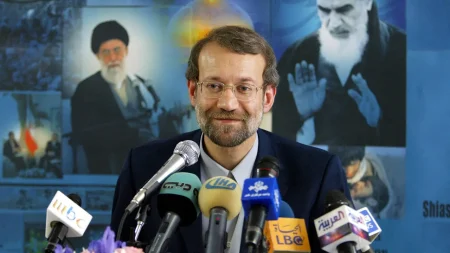
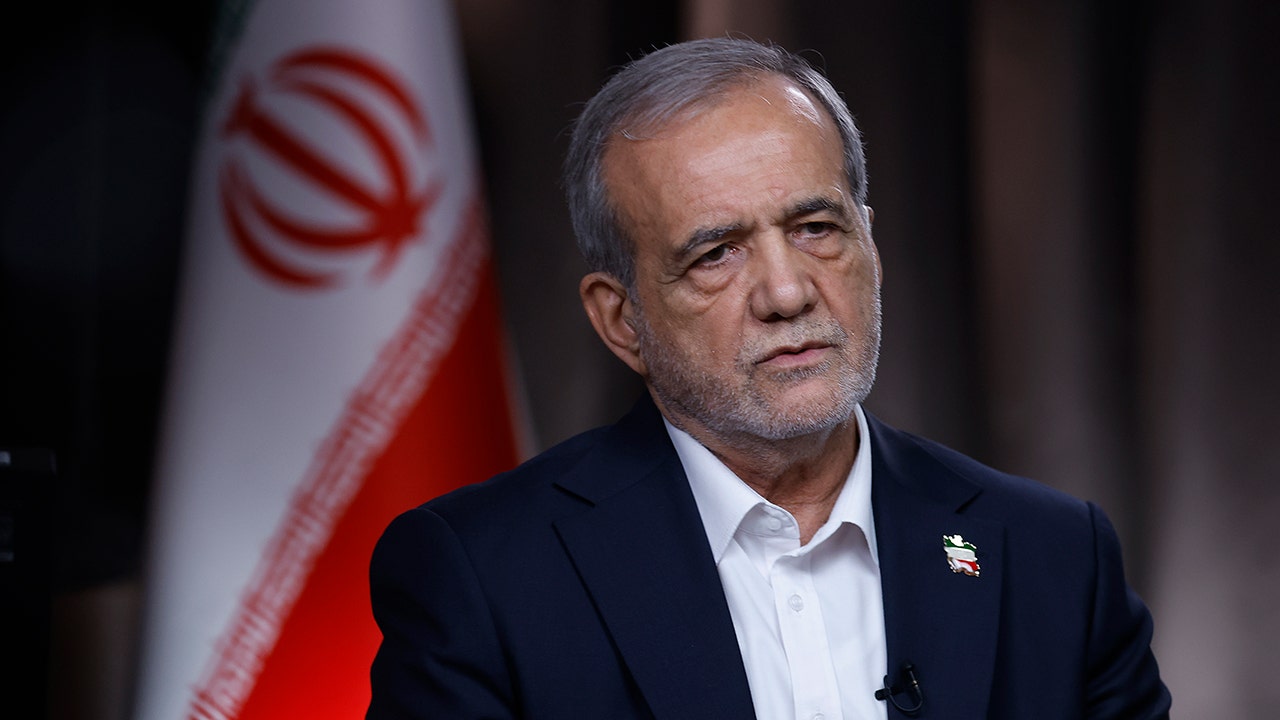
In a significant escalation of rhetoric, Iranian President Masoud Pezeshkian has characterized his country’s current situation as a “total war” with the United States, Israel, and European powers. Speaking in an interview with Iranian state media, Pezeshkian expressed his belief that Western nations are collectively attempting to “bring Iran to its knees” through various means of pressure. This stark declaration comes at a time of heightened tensions following military exchanges between Iran and Israel in June, and ahead of scheduled high-level meetings between Israeli Prime Minister Benjamin Netanyahu and U.S. President Donald Trump at Mar-a-Lago. The timing of these comments suggests a deepening of the already complex geopolitical dynamics in the Middle East, with Iran positioning itself as standing firm against what it perceives as coordinated Western aggression.
What makes this conflict particularly challenging, according to Pezeshkian, is its multifaceted nature compared to more conventional warfare. He drew a contrast with the Iran-Iraq war of the 1980s, noting that the current situation presents a more complex challenge than direct military confrontation. “In the war with Iraq, the situation was clear, they fired missiles, and we knew where to hit,” the Iranian president explained. “Here, they are besieging us from every aspect, they are creating problems for us in terms of livelihood, culturally, politically, and security-wise.” This characterization suggests Iran sees itself facing not just military threats but a comprehensive campaign encompassing economic sanctions, cultural influence, political isolation, and security challenges – a form of hybrid warfare that makes traditional response strategies less effective. This perception of being under siege “from every angle” reveals the Iranian leadership’s worldview and helps explain their increasingly defiant stance.
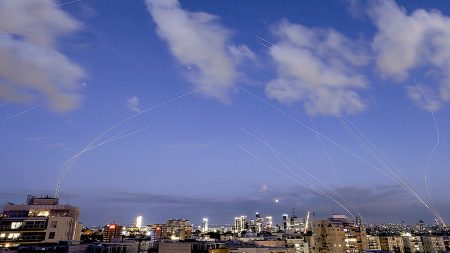
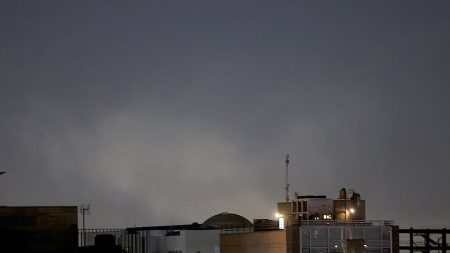
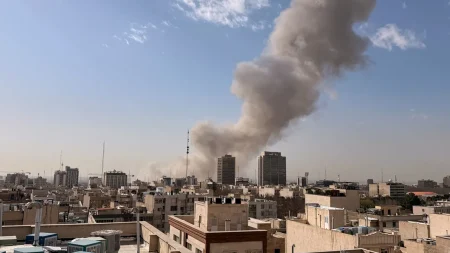
Despite acknowledging these challenges, Pezeshkian projected confidence in Iran’s military capabilities, claiming that the country’s armed forces have actually emerged stronger following the June conflict with Israel. “Our beloved military forces are doing their jobs with strength and now, in terms of equipment and manpower, despite all the problems we have, they are stronger than when they attacked,” he asserted. This statement appears designed for both domestic and international audiences – reassuring Iranians of their security while warning potential adversaries that any future attacks would “face a more decisive response.” The claim of enhanced military readiness comes despite significant losses in the June exchanges, which reportedly resulted in approximately 1,100 Iranian casualties, including senior military commanders and nuclear scientists. Israel, meanwhile, reported 28 deaths from Iranian missile attacks during the same period of hostilities.
The timing of Pezeshkian’s comments is particularly noteworthy as they precede the planned meeting between Netanyahu and Trump. This suggests a potential attempt to influence the agenda or outcomes of those discussions by reinforcing Iran’s defiant position. The June conflict represented one of the most direct military confrontations between Iran and Israel in recent history, with significant casualties on both sides before a U.S.-brokered ceasefire took effect on June 24. The brief but intense exchange demonstrated the volatility of regional tensions and the potential for rapid escalation. While the ceasefire halted immediate hostilities, Pezeshkian’s rhetoric indicates that fundamental tensions remain unresolved, with Iran viewing itself as engaged in an ongoing, if transformed, conflict with multiple Western powers.
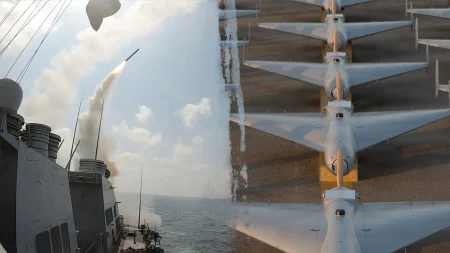
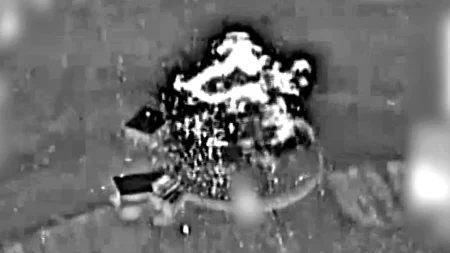
A critical element of these tensions centers on Iran’s nuclear program, which was directly targeted in the June attacks. President Trump announced on June 22 that U.S. forces had launched strikes on Iranian nuclear facilities at Fordow, Natanz, and Isfahan, declaring afterward that “Iran’s key nuclear enrichment facilities have been completely and totally obliterated.” He framed these actions as necessary to counter “the nuclear threat posed by the world’s number one state sponsor of terror.” The targeting of nuclear sites highlights how central this issue remains to Western concerns about Iran, while Pezeshkian’s defiant response suggests Iran remains committed to its technological pursuits despite these setbacks. The destruction of nuclear enrichment capacity represents a significant blow to Iran’s nuclear program, though the full extent of the damage and Iran’s ability to recover remains somewhat unclear.
The declaration of a “total war” reflects the profound mistrust and antagonism that continues to characterize Iran’s relationship with Western powers, particularly the United States and Israel. This rhetoric serves multiple purposes for the Iranian regime – rallying domestic support by presenting external threats, justifying economic hardships as the result of foreign aggression, and signaling resolve to international adversaries. However, it also risks further isolating Iran diplomatically and potentially escalating tensions at a time when the region remains highly volatile. While a ceasefire temporarily halted direct military exchanges, Pezeshkian’s comments suggest that Iran views the fundamental conflict as ongoing across multiple domains. As Netanyahu and Trump prepare to meet, and as regional and global powers consider their approaches to Iran, Pezeshkian’s characterization of a “total war” underscores the significant challenges to achieving any lasting stability or diplomatic breakthrough in these complex relationships.