


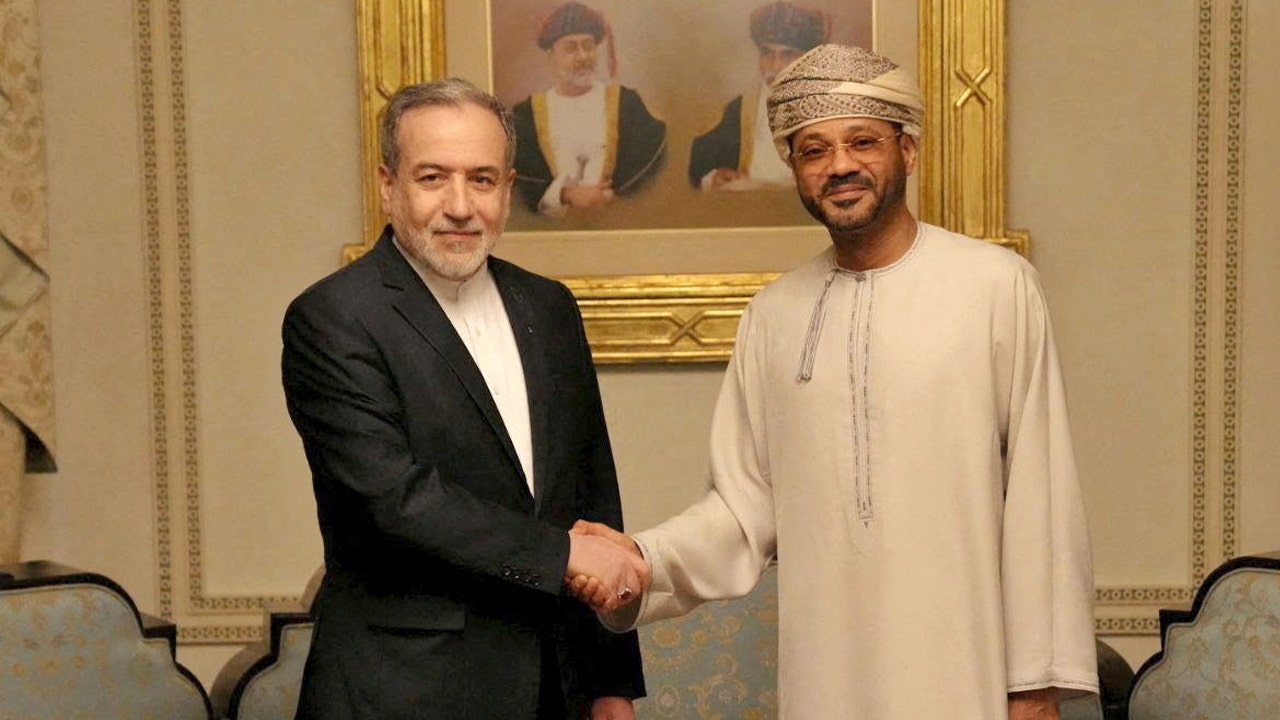
The air hung heavy with anticipation outside the grand palaces of Oman, where whispers of diplomacy tried to pierce the icy silence between two longtime foes. It was a moment that felt almost surreal, like watching estranged family members forced into a room together after years of shouting over fences. Iranian Foreign Minister Abbas Araghchi emerged from his meetings with a cautious optimism, declaring the indirect nuclear talks with the U.S. “a good start.” In his words, there had been a “consensus” to keep the conversations going. Imagine the weight on his shoulders: representing a nation proud yet beleaguered, where every word carries the hopes of millions. “After a long period without dialogue,” he told reporters, “our viewpoints were conveyed, and our concerns were expressed. Our interests, the rights of the Iranian people, and all matters that needed to be stated were presented in a very positive atmosphere, and the other side’s views were also heard.” It’s easy to picture Araghchi, a seasoned diplomat with a stoic gaze, choosing his words carefully, knowing that one misstep could shatter this fragile bridge. He added that while it was a promising beginning, its future hinged on backroom consultations in Tehran and Washington—those elusive corridors where politics really gets decided. This wasn’t just about nuclear ambitions; it was a human drama unfolding, where leaders grappled with pride, vulnerability, and the ghosts of past betrayals. People on both sides were watching, ordinary Iranians fearing another strike on their hard-won dreams, Americans grappling with a president who’d promised action. Araghchi’s tone was measured, almost hopeful, but beneath it lurked the pragmatism of a man who knew diplomacy was a gamble. The positive atmosphere he described hinted at a rare vulnerability, where enemies acknowledged each other’s humanity, if only in stolen glances through intermediaries. It was a reminder that even in global crises, leaders are people—tired, strategic, and desperate for a breakthrough that could mean peace instead of peril. As Araghchi spoke, you could sense the collective sigh of relief from those trapped in uncertainty, wondering if this “start” could lead to something substantial. But optimism alone doesn’t build trust; it’s the hard work ahead that counts, with capitals buzzing in silent judgment.
Just across the glittering halls, Omani Foreign Minister Badr al-Busaidi played the role of a diligent host, orchestrating a ballet of diplomacy that blended secrecy with welcome. On Friday, his Foreign Ministry confirmed he had sat down with Iranian officials like Araghchi and then with American counterparts Steve Witkoff and Jared Kushner, emphasizing the talks’ aim to pave the way for direct diplomatic and technical negotiations. The statement on X was diplomatic prose at its finest: “The consultations focused on preparing the appropriate conditions for resuming… in light of the parties’ determination to ensure their success in achieving sustainable security and stability.” For Badr, this was more than protocol—it was nodding to Oman’s long-standing reputation as a neutral peacemaker in the Middle East, a sultanate where calm seas and palm-lined coasts provide a backdrop for tense world affairs. Picture reporters from The Associated Press staking out the palace, their lenses capturing the subtle drama: Iranian convoys arriving first, their black SUVs vanishing into the compound, only for American flags to flutter an hour later. The palace emptied quickly after, leaving behind an air of mystery—was this a one-act play or the opening scene of a longer saga? Witkoff and Kushner’s presence added a layer of intrigue; these weren’t faceless bureaucrats but advisors steeped in Trump’s policymaking, bringing their own human stories of ambition and experience. For Omanis like Badr, this mediation was a point of pride, a chance to shine on the world stage despite their small size. Yet, it also risked their neutrality—entertaining superpowers in your home could draw unwanted attention. As the convoys departed, leaving nothing but whispered rumors, one couldn’t help but think of the everyday Omanis watching from afar: fishermen, families, wondering how their serene world became a stage for great power games. This meeting wasn’t just exchanges of notes; it was a human tapestry of trust-building, where gestures mattered as much as words. Badr’s role underscored how peacemaking requires empathy, listening to fears from both sides without picking favorites. In this volatile region, stability felt like a distant dream, yet these talks were a beacon, reminding everyone that mutual understanding starts with simple acts of dialogue. The positive spin from Oman suggested progress, but real change demanded patience—something in short supply when nuclear clockticks echo in the background.
The talks, initially eyed for Turkey as a venue, took an unexpected detour, a shift that highlighted the raw human egos and strategic posturing at play in international relations. Secretary of State Marco Rubio shed light on the change during a press scrum on Wednesday, revealing that while they had “established a forum… in Turkey” with input from regional partners eager to participate, Iranian objections derailed it. Rubio’s words carried the exasperation of a man navigating stormy seas: “I saw conflicting reports yesterday from the Iranian side saying that they had not agreed to that. So, that’s still being worked through.” It’s telling how these early hiccups humanize the process—diplomacy isn’t a polished script but a patchwork of misunderstandings, where one side’s “misagreement” feels like a personal slight to the other. Rubio emphasized that the U.S. was “always prepared to engage,” a nod to America’s lonely sentinel role, defending interests while yearning for resolution. For Rubio, this wasn’t abstract geopolitics; it was a career built on vigilance, balancing Trump’s impulsive style with the steady hand of the State Department. Imagine the frustration in those meetings: cables flying, advisers pacing, each side decoding the other’s intentions like detectives in a noir novel. The venue swap to Oman wasn’t just logistical; it spoke to Iran’s desire for control, a bid to avoid scrutiny from Arab voices that might amplify grievances. Oman’s choice seemed pragmatic—neutral, accessible, far from the watchful eyes of regional rivals. But it exposed cracks: Rubio’s allusion to “partners” hinted at broader coalitions feeling sidelined, their contributions reduced to footnotes. This was diplomacy at its most relatable—touchy negotiations where pride and pragmatism collided, and every headline risked escalating tensions. People back home, from American voters yearning for peace dividends to Iranian citizens wary of foreign meddling, saw mirrors of their own struggles in these debates. The back-and-forth over Turkey versus Oman underscored how trust erodes easily, yet Rubio’s resolve offered hope: the U.S. door remained open, proving that even amid drama, the human drive for connection endures.
Iran’s diplomatic maneuvering turned even more pointed when reports emerged that Tehran sought to trim the talks down to a strict bilateral U.S.-Iran affair, sidelining Arab and regional players who felt invested in the outcome. Axios detailed how Iranian officials pushed for exclusivity, a tactic that felt like drawing boundaries in shifting sands—logical from Tehran’s vantage, where external voices might dilute their narrative of sovereignty and resilience. This push reflected the human psychology of suspicion: after years of isolation, Iran guarded its seat at the table fiercely, fearing dilution of its hard-fought positions on nuclear rights and sanctions relief. For Iranian leaders, inclusion might mean concession to rivals like Saudi Arabia or Israel, whose histories of enmity added fuel to the paranoia. On the American side, this demand complicated matters, echoing wider regional dynamics where every ally mattered in countering Iranian influence. It humanized the complexity—diplomacy wasn’t monolithic but a web of personal ambitions, cultural rifts, and historical grudges. Envision diplomats in windowless rooms, negotiating not just terms but egos, where Iran’s insistence stemmed from a wounded national pride post-strikes. The bilateral focus risked alienating supporters, yet from Tehran’s lens, it ensured undivided attention on their grievances. Rubio’s earlier comments about inclusive forums clashed subtly with this, highlighting the tug-of-war. Observers wondered: was this Iran’s way of reclaiming agency, or a ploy to stall? In the grand theater of global relations, such maneuvers reminded us that behind policy papers were people—mothers in Tehran worrying about sanctions’ bite, policymakers in Washington debating optics. Iran’s attempt to limit participants wasn’t cold strategy; it was a protective instinct, a echo of millennia-old survival tactics in a volatile neighborhood. This subplot injected realism into the talks, showing how de-escalation required not just agreements but emotional disarmament. As talks proceeded indirectly, the exclusionary vibes hinted at deeper mistrusts, urging patience over haste. Ultimately, bridging these divides demanded empathy, recognizing that each party’s “concerns” were threads in a shared human story of fear and aspiration.
Tensions erupted vividly between Iran and the U.S. after Washington’s strikes on Tehran’s nuclear facilities in the summer of 2025, a culmination of escalating rhetoric that underscored the raw human stakes involved. America’s condemnation of Iran’s crackdown on anti-regime protesters added fuel, with President Donald Trump ominously threatening intervention if violence persisted. Trump, in a candid NBC News interview, warned that Supreme Leader Ayatollah Ali Khamenei “should be very worried,” yet he admitted they were “negotiating,” revealing the president’s blend of bravado and pragmatism. It’s gut-wrenching to humanize this: Trump, a figure of flamboyant confidence, grappling with the moral weight of actions that could devastate lives. He justified sparing further strikes on protesters by claiming the U.S. “had their back,” but the strikes had already left the country “a mess.” Trump revealed alarming intel: Iran was covertly building a new nuclear site, prompting his vow to “do very bad things” if it happened. This wasn’t just brinkmanship; it was a vivid reminder of families sobbing over lost homes, scientists fleeing persecution, and everyday Americans questioning when enough was enough. Khamenei’s absence from direct talks, as noted by JD Vance in related commentary, made diplomacy “much more complicated,” highlighting how personalities loomed large—Khamenei’s insulated world clashing with Trump’s media-savvy style. Protests in Iran weren’t abstract; they embodied human despair against authoritarianism, dreams of freedom stifling under boots. Trump’s threats, while blustery, reflected a president’s internal conflict: doing right by allies versus risking wider war. Kamney’s aloofness symbolized Iran’s defiance, a leader shielded by layers but connected to millions’ hopes. These escalations humanized global conflicts as personal tragedies, where policy ripples touched real kitchen tables. The strikes weren’t surgical; they were shattering echoes, forcing reflection on humanity lost in power plays. As threats lingered, empathy bridged divides, proving diplomacy needed compassion as much as concessions.
As the dust settled from the Omani encounters, uncertainties lingered about the weekend and beyond, leaving diplomats and onlookers in a limbo of cautious expectation. It remained unclear if more discussions would unfold or if direct Iranian-American talks were on the horizon—the holy grail for breaking the impasse. The State Department’s silence on Fox News Digital’s queries added to the void, a bureaucratic shrug that amplified global anxiousness. This limbo humanized the process: satchel-toting envoys waiting for calls, families praying for calm, leaders poring over maps with coffee-stained desks. In this theater of shadows, Oman’s mediation stood as a human act of goodwill, a small nation amplifying big voices. Yet, the risks were palpable—failed talks could reignite hostilities, dragging ordinary people into unwanted wars. Trump’s admissions hinted at unresolved issues, like Iran’s nuclear ambitions, which weren’t just technical but existential threats posed by engineers with families. The potential for resumption depended on those crucial consultations in capitals, where human elements like advisor whispers and public pressure exerted influence. No one knew if Khamenei’s iron grip would loosen, or if Trump’s short fuse would spark anew. Listening to articles on Fox News seemed trivial amid this, but it symbolized the hunger for truth in chaotic times. At heart, these talks were hopeful knots: unraveling mistrust required patience, forgiveness, and shared humanity. Ordinary citizens on both sides—Iranians rebuilding lives, Americans hoping for peace dividends—witnessed the drama, their collective spirit urging leaders onward. Despite hurdles, the “good start” in Oman offered a spark, reminding us that diplomacy thrives on connection, not division. The outcome hung in balance, a testament to humanity’s enduring quest for understanding in a fractured world. As whispers of more meetings persisted, optimism flickered, urging all to root for the fragile hope of lasting stability. In the end, resolution demanded seeing the other side’s fears as our own, weaving a narrative where enemies became partners through empathy’s quiet thread. The path ahead was daunting, but human stories of reconciliation showed it was possible, one cautious step at a time.