



Iran’s Military Threats Amid Domestic Unrest and International Pressure
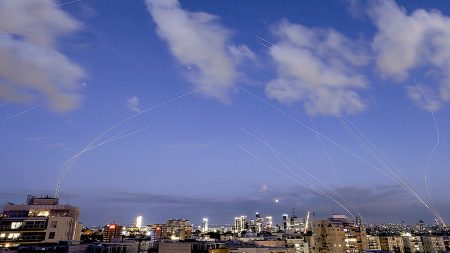
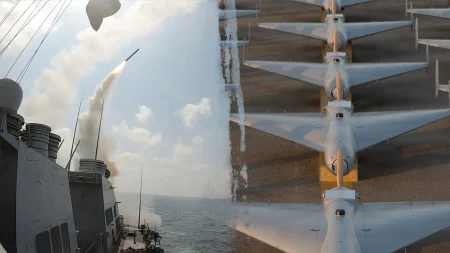
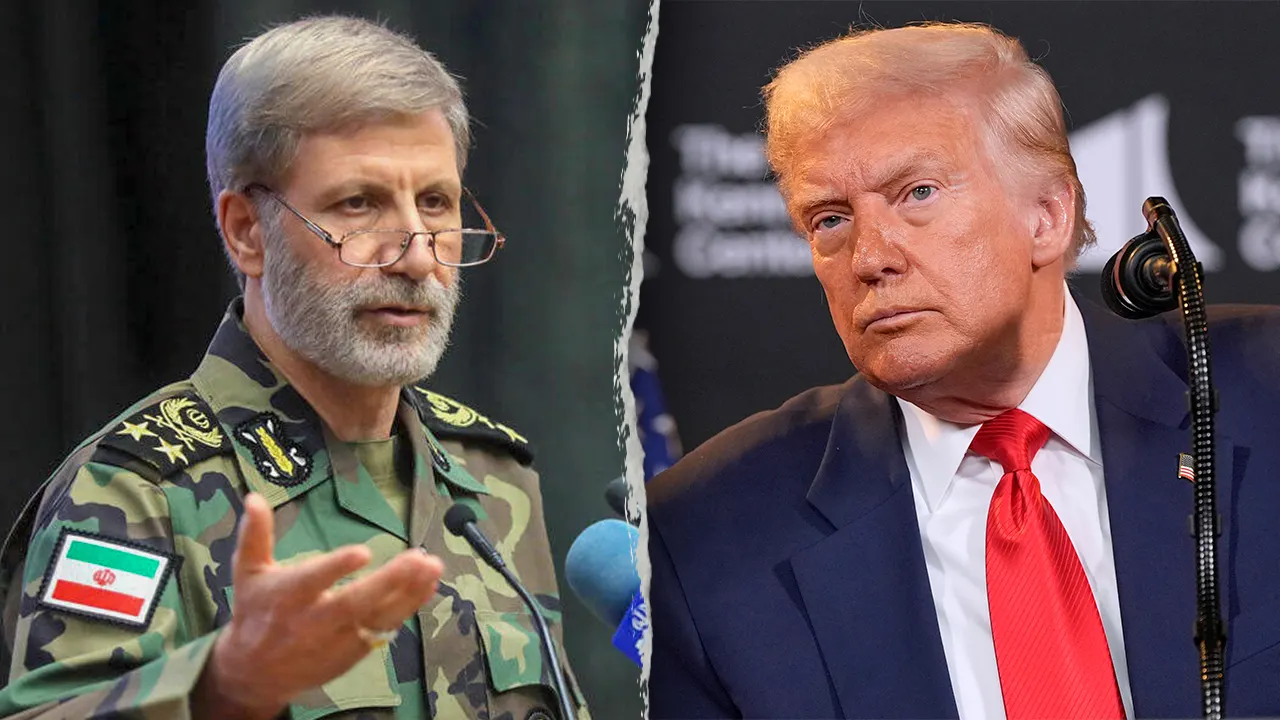
In a tense escalation of rhetoric, Iran’s military leadership has issued threats of preemptive action against what they perceive as foreign intimidation, particularly from the United States. Major General Amir Hatami’s warnings come at a critical moment for the Islamic Republic, which faces widespread domestic protests fueled by economic hardship and growing international scrutiny of its response to civilian demonstrations. Speaking to military academy students, Hatami declared that Iran would not leave threatening rhetoric “without a response,” emphasizing that the country’s armed forces are more prepared than ever to deliver “a more decisive response” to any aggression. This saber-rattling appears to be a direct reaction to former President Donald Trump’s recent warning that the United States would intervene if Iran violently suppressed peaceful protesters.
The timing of this exchange is particularly significant following the dramatic U.S. operation in Venezuela that resulted in the capture of Nicolás Maduro. Trump’s statement that America is “locked and loaded and ready to go” if Iran harms protesters has taken on new weight in light of this precedent, suggesting potential American willingness to take direct action against hostile regimes. The Iranian military’s public posturing reflects growing anxiety within the leadership about both the internal challenges to their authority and the external pressure from traditional adversaries. This tension represents a dangerous confluence of domestic instability and international brinkmanship that threatens to further destabilize an already volatile situation in the Middle East.
At the heart of Iran’s current crisis is an economic meltdown that has sparked widespread public discontent. The government has attempted to address these concerns through emergency subsidies, recently announcing payments equivalent to $7 monthly to over 71 million Iranians to offset soaring food costs. This represents more than double the previous subsidy amount, highlighting the severity of the economic situation. However, these measures may be too little too late, as shopkeepers warn that prices for staple items could triple amid the collapse of the national currency. Iranian officials have acknowledged the gravity of the situation, with Vice President Mohammad Jafar Ghaempanah characterizing the country as being in a “full-fledged economic war” that requires “economic surgery” to address deep-seated corruption and ineffective policies.
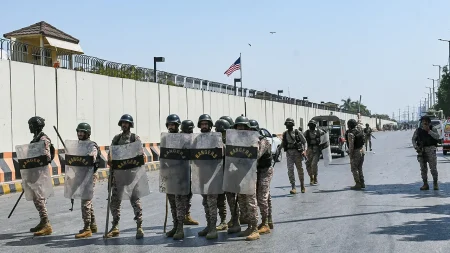
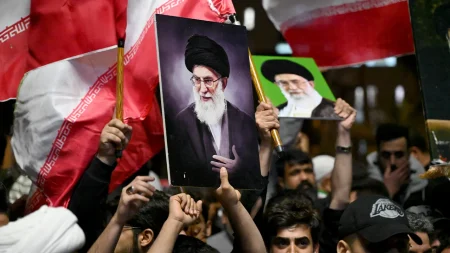
The protests, which began in late May, show no signs of abating despite the government’s economic measures and threats of repression. According to the National Council of Resistance of Iran (NCRI), protesters have effectively taken control of some cities, including Abdanan in Ilam province and Malekshahi. This unprecedented level of organized resistance suggests that the movement has progressed beyond mere expressions of economic grievance to more fundamental challenges to the regime’s authority. The sustainability of these protests will likely depend on the protesters’ ability to maintain momentum in the face of potential government crackdowns, as well as the international community’s response to any escalation in violence.
The international dimension of Iran’s crisis adds another layer of complexity to an already volatile situation. Trump’s warning about potential U.S. intervention has emboldened protesters, according to activists who contrast this approach with what they perceive as inaction under previous administrations. The Iranian regime has long viewed the United States and Israel as existential threats, and the current rhetoric reinforces these perceptions. This dynamic creates a dangerous feedback loop: as international pressure increases, the regime may feel more threatened and resort to more severe measures against protesters, which in turn could trigger the very foreign intervention they fear. The shadow of the Venezuela operation looms large in this calculation, potentially changing how both the Iranian leadership and protesters view the credibility of U.S. threats.
As Iran stands at this critical juncture, the path forward remains uncertain. The economic crisis that triggered the protests shows no signs of resolution in the near term, with inflation continuing to erode the purchasing power of ordinary Iranians. The government’s dual approach of limited economic concessions and military threats reflects a regime struggling to find effective responses to mounting challenges. For protesters, the encouragement from international figures like Trump may provide moral support, but also risks the movement being portrayed by the regime as foreign-backed sedition. For the international community, particularly the United States, the situation presents a delicate balancing act between supporting democratic aspirations and avoiding actions that could precipitate a broader conflict. How these various stakeholders navigate the coming weeks may well determine not only the fate of the current protests but potentially the future direction of Iran itself.