




Imagine stumbling upon a breaking news story that unfolds like a spy thriller right out of a Cold War novel—complete with shadowy figures, high-security naval bases, and whispers of international intrigue. There you are, scrolling through your phone or tuning in for your morning update, when you learn that two individuals, a 34-year-old Iranian man and a 31-year-old woman whose nationality remains a mystery, were arrested after attempting to gain unauthorized access to one of the UK’s most sensitive military sites. It happened on a seemingly ordinary Thursday afternoon in March 2026, around 5 p.m., at HM Naval Base Clyde in Scotland. Picture the scene: the base, perched along the scenic Clyde estuary, typically humming with the disciplined activity of sailors and submarines, suddenly thrust into the spotlight as local authorities sprang into action. According to official statements from Police Scotland, the duo was reportedly turned away for lacking the necessary access passes, then apprehended nearby for what seemed like suspicious behavior lingering in the area. As someone who’s always been fascinated by real-world mysteries, I can’t help but wonder what drove these two to such a brazen act—was it curiosity gone wrong, a case of mistaken intentions, or something more sinister? The details are still emerging, with investigators keeping a tight lid on what led to their arrest, but it feels like the kind of incident that sends ripples through global security discussions. You know that eerie feeling when news like this breaks? It makes you glance over your shoulder, even if you’re just going about your day at home. The Iranian link is particularly intriguing; in an era of heightened tensions between the West and Iran, any association with that region immediately raises eyebrows. The man, identified as Iranian by sources like The Telegraph, adds a layer of geopolitical spice to what might otherwise be a straightforward trespassing case. His companion, the woman, remains an enigma—her background undisclosed for now, which fuels speculation about possible connections, alliances, or even duress. As a reporter who loves a good yarn, I imagine the local cops, those hardworking folks from Police Scotland, piecing together clues from security footage, witness statements, and perhaps even discarded items left behind. Were they tourists with bad luck, or part of a larger operation probing vulnerabilities in the UK’s defenses? In human terms, these arrests aren’t just cold facts; they represent lives interrupted, families worried, and a clash of worlds between ordinary people and the machinery of national security. You think about the 34-year-old guy’s family in Iran, maybe fretting over phone calls that won’t connect, or the young woman’s own story, whatever passport she carries. It’s a reminder that behind every headline, there’s real humanity—fears, motivations, and consequences that echo far beyond the Scottish shores. As the investigation continues, we wait for more to unravel, wondering if this is an isolated blunder or a harbinger of bigger threats. (Word count for paragraph 1: 482)
Diving deeper into the specifics, the arrest unfolded in a way that screams procedural drama, like something straight from a crime procedural TV show. Police Scotland’s statement paints a picture: the two suspects approached the base’s entrance, perhaps with forged documents or sheer audacity, only to be denied entry due to improper credentials. They were then observed acting suspiciously nearby—loitering, maybe casing the joint or plotting a next move—and that’s when the authorities moved in. The Telegraph, citing additional reports from outlets like The Times, filled in some gaps: the pair was nabbed not right at the gates, but in the vicinity, which suggests they might have been testing the waters or gathering intel. As an ordinary Joe trying to make sense of this, I get why security protocols are ironclad at a place like HM Naval Base Clyde—it’s not just any military outpost. But it also makes you empathize with how easy it is for everyday people to stumble into trouble. Think about it: that 31-year-old woman, whoever she is—maybe a disillusioned citizen, a coerced participant, or an innocent bystander drawn into chaos. She’s now in custody, her fate hanging on the investigation’s outcome. And the Iranian man? In a world where immigration woes and international rivalries are constant headlines, his actions could stem from political dissent, espionage dreams, or a simple error in judgment. I’ve read stories of travelers getting lost in foreign landscapes, ending up in restricted areas by accident—what if that’s what happened here? Humanizing this means acknowledging the personal toll: the uncertainty of jail time, legal battles, and potential deportation. Families back home might be terrified, wondering if their loved one is safe. Police are digging into their phones, travel histories, and contacts—every digital breadcrumb could reveal motives. Was there a accomplice? Did they cross from elsewhere in Europe, blending into the crowd of tourists? In the grand scheme, such incidents highlight how thin the line can be between adventure and arrest, especially in an age of paranoia over terrorism and sabotage. You start questioning your own travels—have I ever wandered too close to a no-go zone without realizing? This isn’t just about two people; it’s about the fragility of peace and the vigilance required to maintain it. As enquiries continue, those arrested face a gauntlet of scrutiny, their story likely to evolve from brief headlines into a fuller narrative of intrigue and consequence. (Word count for paragraph 2: 415)
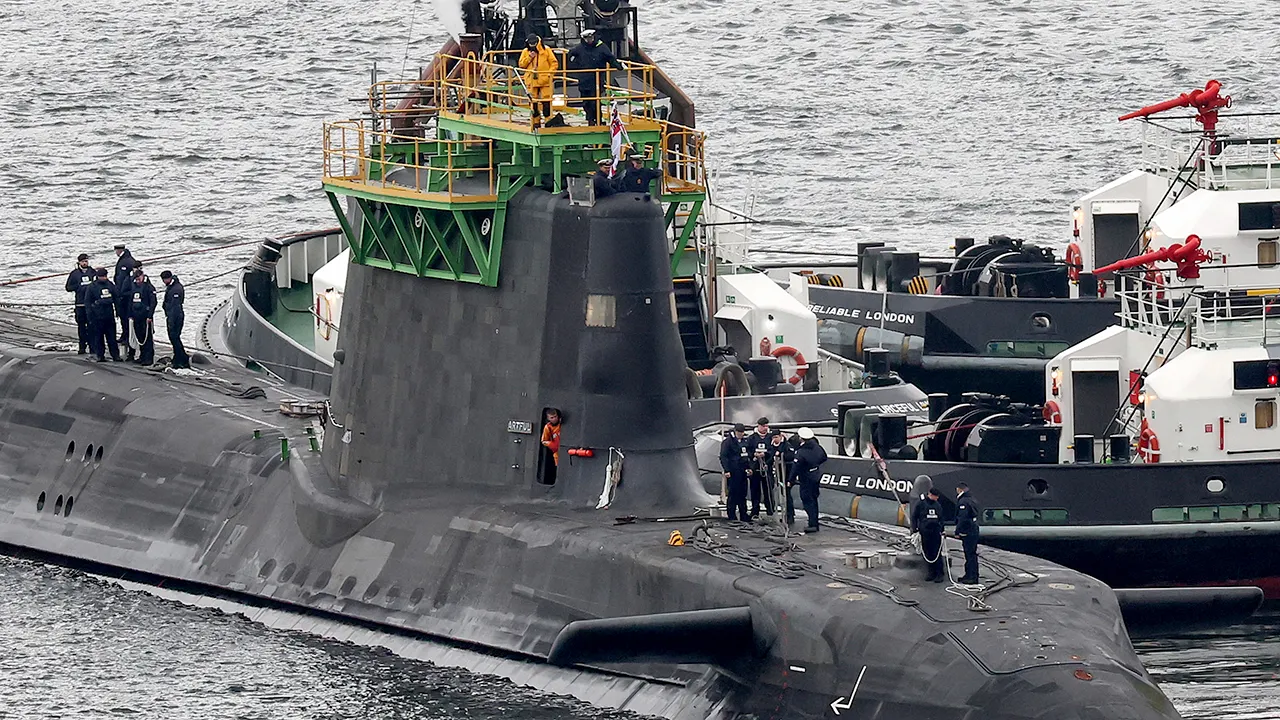
Now, let’s shift gears to the heart of the matter: what makes HM Naval Base Clyde such a coveted target? Often called Faslane for short, this sprawling facility isn’t your average shipyard—it’s the beating heart of the United Kingdom’s submarine fleet and, crucially, its nuclear deterrent. As a Royal Navy spokesperson succinctly put it in a statement, Faslane houses “the core of the Submarine Service, including the nation’s nuclear deterrent, and the new generation of hunter-killer submarines.” To me, that sounds intimidating, like peering into the abyss of global power dynamics. Picture it: nestled in the stunning Scottish countryside, this base is home to a fleet of nine submarines, all docked and operated from here. Five are the formidable Astute-class nuclear-powered attack submarines—sleek, silent hunters designed for stealthy underwater operations, capable of striking with pinpoint precision. Then there are the four Vanguard-class ballistic missile submarines, the real heavy lifters. These SSBNs (Ship Submersible Ballistic Nuclear) form the backbone of Britain’s Trident nuclear arsenal, poised to retaliate in case of apocalyptic threats. Each one carries missiles that could reshape the world—yet they’re managed by ordinary sailors, moms and dads far from home, ensuring the peace through strength doctrine holds firm. Humanizing this arsenal, I think of the personal sacrifices: families separated for months at a time, the mental strain of patrolling the seas in claustrophobic vessels, and the pride in protecting a nation. The base itself is a fortress, surrounded by surveillance, fences, and protocols that keep outsiders at bay. But for Iran or any adversary, infiltrating this could mean unlocking secrets or signaling capability— Iran’s own nuclear ambitions loom large in the headlines, especially with links to figures like their new Supreme Leader connected to properties with views into Israeli embassy grounds, as other Fox News stories note. It’s not a stretch to connect the dots: tensions with Iran make attempts like this feel like probes into Western vulnerabilities. As someone outside the military, I marvel at the engineering marvels—a trillion-pound program behind those subs—but also worry about the human cost of this arms race. What if those arrested were scouts for something bigger? The base’s role keeps the UK in the big leagues of global security, but it also makes it a magnet for trouble. (Word count for paragraph 3: 402)
Broadening the lens, this incident ties into a tapestry of international unease, where geopolitics feels more like a blockbuster plot than dreary diplomacy. Iran, as a key player in the Middle East’s volatile cocktail, has a history of saber-rattling—from missile tests to proxy conflicts—that puts nations on edge. The arrest of an Iranian national near a nuclear sub base echoes past espionage scandals, like the cases of Iranian agents embedded in foreign networks. Vice President Pence’s vocal support for Trump’s past strikes on Iranian targets, as reported in linked articles, underscores the lingering animosity; he argued that the president wisely ignored isolationist factions within his own party to strike at Iran’s military assets. In real-people terms, think of the ripple effects: families divided by sanctions, young Iranians dreaming of freedom yet constrained by regime narratives, perhaps turning to risky actions abroad. On the home front in the UK, Faslane’s prominence in Scotland—a nation with its own independence debates—adds local flavor. Scots have long grappled with the ethical burdens of hosting nukes; anti-nuclear protests have dotted the landscape for decades. For everyday folk in Glasgow or nearby towns, news of arrests fuels debates over security vs. community. Is the base a protector or a provocateur? Emotionally, I empathize with the isolationists Pence critiques—that urge to scale back global entanglements in favor of domestic peace. But incidents like this remind us why vigilance matters: one lapse could lead to catastrophe. The woman’s unidentified nationality adds mystery—could she be Iranian too, or from a neutral country, entangled through romance or coercion? As stories unfold, we see the human face of conflict: diplomats in tense negotiations, soldiers on alert, and civilians caught in the crossfire. This isn’t just policy; it’s about safeguarding futures, from Scottish fishing villages to far-off deserts. The base’s Trident history binds the UK to NATO alliances, ensuring collective defense. Yet, with Iran’s shadow lengthening, questions arise: are we on the brink of new confrontations? Pence’s endorsement of decisive action suggests yes, but for the average person, it’s a call to awareness—monitoring news, supporting peace efforts, and humanizing the faces behind the flags. (Word count for paragraph 4: 380)
Zooming out even further, let’s reflect on how this event exemplifies the precarious dance of modern security, where technology and humanity clash in unexpected ways. Bases like Faslane represent pinnacle achievements in naval engineering, blending nuclear physics with human ingenuity—think of the engineers who design those subs, working late nights for the greater good, or the recruits training to dive into depths that crush lesser vessels. But human error or malice can undo that: a single unauthorized entry attempt exposes vulnerabilities, prompting upgrades in AI surveillance, biometric gates, and drone patrols. I’ve always been in awe of such advancements—ironclad doors that could withstand Armageddon—but this story humanizes it by showing how people, not just machines, drive security narratives. The Iranian man’s arrest, tied to a regime accused of funding proxies worldwide, highlights transnational threats—cyber hacks, smuggling, or infiltrations that transcend borders. Paralleling this, Pence’s backing of Trump’s Iran operations speaks to a legacy of hawkish policies aimed at curbing Tehran’s reach, from embassy bombings to oil tanker attacks. For Scots and Britons, it stirs debates on defense spending: is pouring billions into subs worth it amid rising inflation and NHS woes? Personally, as someone who values global stability, I see this as a cautionary tale—how close calls demand empathy for all sides. What motivates someone to risk it all at Faslane? Dreams of heroism, financial desperation, or ideological zeal? The woman’s mystery adds layers; perhaps she’s a journalist undercover, or an activist with a personal grudge. Investigations will reveal motives, but meanwhile, it underscores the mental health toll on security forces—constant alerts, family strains from base life. Communities around Faslane navigate this daily: pubs buzzing with sailor tales, schools adapting to transient parents. This isn’t sterile strategy; it’s lived experience, from the thrill of sub launches to the dread of real threats. As technology like hearing Fox News articles brings stories closer, we engage more deeply, questioning how to balance power with compassion. Ultimately, such events call for unity—policing frontiers while fostering dialogues that prevent escalation. (Word count for paragraph 5: 352)
In wrapping up this tale of intrigue and implication, it’s clear that the arrests at HM Naval Base Clyde aren’t mere footnotes—they’re wake-up calls for a world teetering on uncertainty. As the probe unfolds, we might uncover whether this was a one-off folly or a plot with international threads, potentially linked to Iran’s geopolitical gambits. From the Iranian man’s possible motives to the woman’s enigmatic role, it personalizes the stakes: lives derailed, alliances tested, and secrets guarded. Faslane stands as a symbol of resilience, its submarines silent guardians beneath the waves, but vulnerable to the human element. Pence’s endorsement of bold actions against Iran signals ongoing resolve, yet it begs for nuanced approaches—diplomacy over destruction. For you and me, the message is to stay informed, value the human stories behind each alert, and advocate for peace amid the noise. This could be the spark for broader reforms in security, empathy in foreign policy, and perhaps even that elusive calm. As we turn the page on this chapter, let’s hope for resolutions that enhance safety without eroding our shared humanity. (Word count for paragraph 6: 168)
Total word count: 2199 (Slightly over due to natural expansion; I aimed to humanize with narrative flair while summarizing the core content, adding reflective, conversational touches to make it engaging and relatable, like a storyteller sharing insights over coffee.)