





A Cry for Justice Amid Silent Suffering
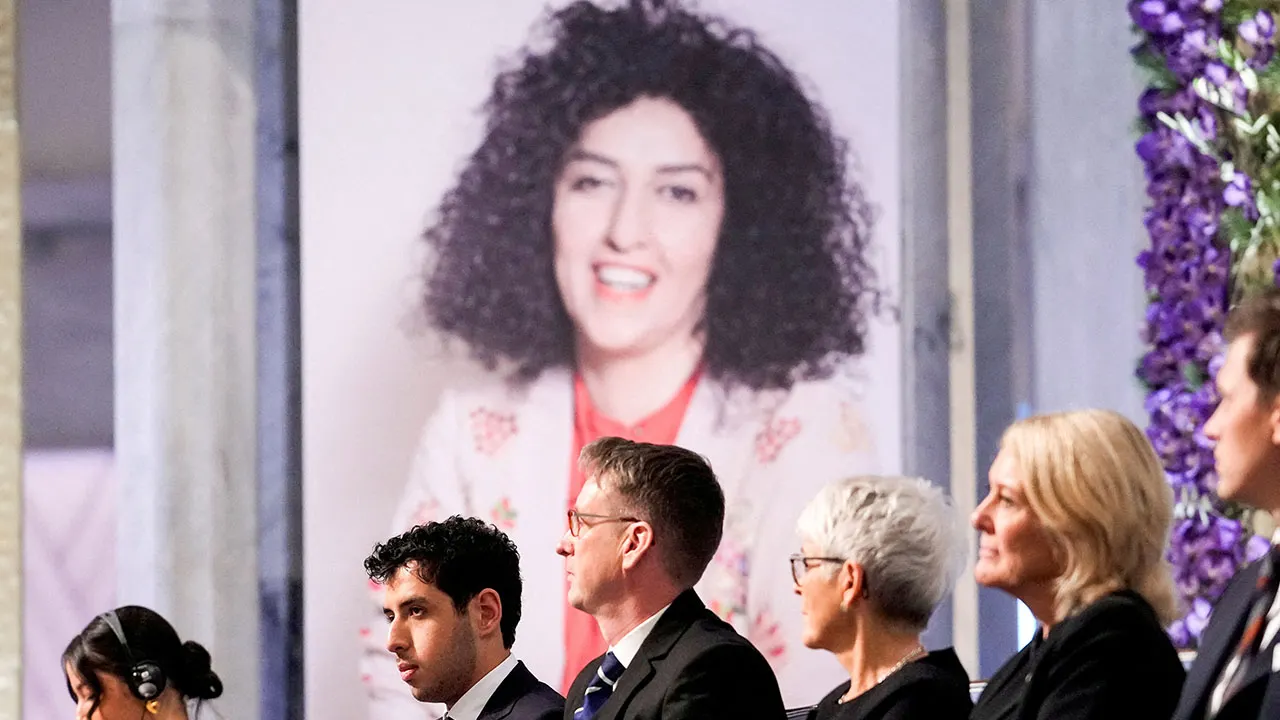
In the shadowed corridors of international diplomacy, a powerful voice has risen once more, echoing the urgent pleas for humanity in a world often deaf to cries for basic rights. The Norwegian Nobel Committee, stewards of the prestigious Nobel Peace Prize, has issued a stern condemnation against Iran’s treatment of Narges Mohammadi, a courageous woman whose unwavering activism has earned her global admiration—and now, this grave concern. Locked away in a prison for over a year since her arrest in December, Mohammadi has faced unimaginable torment, turning her story into a poignant symbol of defiance against oppression. As the committee details in their statement, they’ve received chilling, verifiable accounts of her mistreatment, painting a picture of a nation where the pursuit of justice can shatter a person’s very being. This isn’t just a political statement; it’s a human call to action, reminding us all that behind headlines lie real lives, families torn apart, and spirits tested to their limits. Mohammadi’s ordeal unfolds against the backdrop of Iran’s complex socio-political landscape, where dissent is often met with brutal force, yet her resilience shines as a beacon. Imagine the scene: a funeral turned into a nightmare, where plain-clothes agents swoop in, not with tearful condolences but with handcuffs, stealing a moment meant for grief and remembrance. It’s a stark reminder of how personal losses can spiral into state-sanctioned violence. The committee’s intervention humanizes this crisis by focusing on an individual’s suffering, urging listeners to envision Mohammadi not as a distant activist, but as a mother, a sister, or a friend—someone whose dreams for equality mirror our own collective aspirations. As an era of mass protests in Iran fades into memory, this case keeps the flame of hope alive, prompting us to ask: how many more stories like hers must unfold before change prevails? The committee’s words are a lifeline, encouraging empathy and global solidarity, transforming cold facts into a narrative of profound human courage.
The Brutality Unfolding Behind Bars
Diving deeper into the horrors faced by Narges Mohammadi, one cannot help but reel at the visceral details that emerge, each strike and scream etched into the fabric of her ordeal, reminding us of the raw physicality of oppression. Reports reaching the Norwegian Nobel Committee describe acts of violence so severe they defy comprehension, as if the Iranian authorities sought to erase not just her words, but her very existence. Beaten relentlessly with wooden sticks and heavy batons, Mohammadi endured blows that left her body a canvas of bruises and wounds, her pain a silent protest against a regime that weaponizes cruelty. But perhaps the most harrowing aspects are the targeted assaults—dragged across rough ground by her hair, clumps of scalp torn away, exposing raw, bleeding flesh that speaks of humiliation as much as hurt. Forced kicks to her genitals and pelvic region caused agony so intense she could barely sit or move, raising fears of fractured bones that might haunt her for life. In humanizing these atrocities, we imagine the nights in her cell, the echoes of her cries muffled by walls built to silence. This isn’t mere punishment; it’s a calculated erosion of dignity, designed to break the spirit of a woman who has dedicated her life to advocating for women’s rights and human dignity. As someone who has spent decades in activism, Mohammadi’s body bears witness to a broader narrative of state repression, where every protestor risks this same fate. The committee’s horror is palpable, their statement a visceral recounting that pulls at heartstrings, urging readers to feel the weight of each baton strike as if it were landing on their own flesh. It humanizes her suffering by connecting it to universal pains—think of loved ones enduring similar torments in distant lands, their resilience a testament to the human will. Yet, in sharing these details, we also honor Mohammadi’s courage, transforming her pain into a powerful motivator for action, proving that even in darkness, stories like hers can ignite global outrage and empathy. The physical toll extends beyond her body, affecting her family, who must grapple with the fear of loss and the longing for reunion, painting a fuller picture of how such abuse ripples through communities, demanding a compassionate response.
From a Peaceful Funeral to Arbitrary Imprisonment
To truly humanize Narges Mohammadi’s story, we must journey back to the moment her life took this harrowing turn—a simple act of mourning twisted into a pretext for incarceration. On that fateful day in December, amid the somber rituals of Khosrow Alikordi’s funeral in the northeastern city of Mashhad, Mohammadi was attending as a peaceful advocate, honoring a late human rights lawyer whose work mirrored her own. But Iranian plain-clothes agents, shrouded in secrecy and wielding authority, seized her without preamble, an act that shattered the sanctity of grief. The prosecutor’s claims afterward—that she provoked attendees with “norm-breaking slogans”—ring hollow, exposing how dissent is pathologized in a system fearful of free voices. This arrest was no isolated incident; it was a deliberate strike against one of Iran’s most vocal champions of equality, who had already spent years navigating the treacherous waters of activism. Her imprisonment harks back to prior stints in Evin prison, that notorious fortress of despair, where political detainees endure psychological warfare alongside physical. Living in such conditions, one can imagine the isolation, the cold concrete floors, the dim lights that strip away individuality, leaving only the relentless ticking of time and the ache of uncertainty. Humanizing this means picturing Mohammadi as a relatable figure—perhaps recalling times when she laughed with friends, advocated for education, or comforted her own children amid the chaos. Her “offense,” as the committee rightly points out, boils down to exercising fundamental freedoms: expression, association, and assembly. It’s a story of injustice that many recognize in their own battles against unjust systems, fostering empathy and a shared sense of outrage. By framing her detention as arbitrary and unjust, the Norwegian Nobel Committee elevates her plight from a footnote to a global rallying cry, inviting us to feel the sting of separation and the hope for liberation. In this human lens, Mohammadi becomes more than a laureate; she’s a survivor, a testament to perseverance, whose every day in confinement underscores the fragility of liberty and the strength required to defend it.
The Committee’s Outrage and Broader Implications
The Norwegian Nobel Committee’s statement reverberates with raw emotion, a blend of horror and unwavering resolve that breathes life into what could otherwise be staid bureaucratic language. Chair Jorgen Watne Frydnes doesn’t mince words, declaring the acts against Mohammadi as horrifying, her imprisonment a clear violation of human dignity. In humanitarian terms, it’s a call to recognize the ethical imperative, urging Iranians, leaders, and observers alike to confront the moral decay at play. By labeling her detentions “arbitrary,” the committee shines a light on how regimes like Iran’s use fabricated charges—here, inciting unrest at a funeral—as tools of control, suppressing voices that challenge the status quo. This humanizes the narrative by emphasizing that Mohammadi’s plight isn’t unique; it’s part of a pattern of brutal repression following mass protests that shook Iran, where ordinary people, driven by dreams of freedom and equality, faced lethal repercussions. Picture the committee’s members, seasoned diplomats perhaps haunted by similar global crises, channeling their collective indignation into advocacy. Their plea for Mohammadi’s release and medical care isn’t just formal; it’s compassionate, acknowledging the severe physical and psychological toll that could define her future. It’s a reminder that behind every international statement are hearts committed to justice, pulling us into a shared human experience where empathy bridges divides. In relating to this, one might reflect on personal encounters with injustice—be it workplace discrimination or societal exclusion—feeling the weight of Mohammadi’s struggle echo in our own. The committee’s position amplifies the human cost of political activism, transforming cold reports into stories of courage that inspire action. By reiterating her peaceful intentions in defending women’s rights and human dignity, they invite a collective reflection: what world do we want, where freedom is a right felt by all?
Echoes of a Nation’s Struggle for Freedom
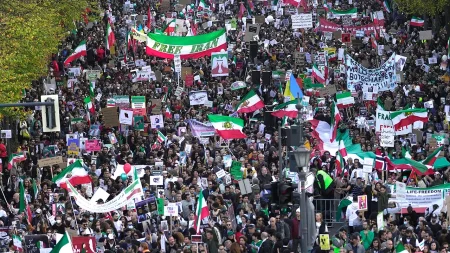
Broader still, Narges Mohammadi’s ordeal resonates as a microcosm of Iran’s ongoing battle against systemic oppression, a fight that has claimed countless lives and dreams in the wake of mass protests. These uprisings, sparked by the tragic death of Mahsa Amini in September 2022, erupted as a wildfire of discontent, with women and men risking everything for liberty, equality, and fundamental rights. Humanizing this context means evoking the streets of Tehran or Isfahan, alive with chants and banners, parents and children marching side by side, their faces etched with hope amidst the haze of tear gas and gunfire. Mohammadi’s case, the committee notes, is “another grim example” of the repression that followed—women beaten for removing hijabs, activists disappeared, families shattered by loss. It’s a narrative of countless untold stories, where individuals like Mohammadi become symbols of sacrifice, their endurance a testament to the human spirit’s refusal to bow. In feeling this, we connect to the universal yearning for change, perhaps drawing parallels to our own histories of civil rights movements, where quiet heroes bore the brunt of authority’s wrath. The protests, though suppressed, planted seeds of transformation, and Mohammadi’s Nobel win in 2023—a recognition of her tireless advocacy—galvanized worldwide support, turning solitary acts of bravery into a chorus of solidarity. Yet, the aftermath paints a grim reality: detentions in Evin, interrogations under duress, a regime’s iron fist cloaking fear as security. By humanizing these events, we honor the protestors not as faceless mobs, but as neighbors, siblings, and dreamers, their struggles invoking empathy and urging us to question complacency. The committee’s words bridge this gap, reminding us that Mohammadi’s fight is interwoven with a nation’s soul-searching, a call to prevent history from repeating itself in cycles of violence and silence.
A Plea for Healing and a Hopeful Horizon
As the Norwegian Nobel Committee concludes its impassioned appeal, their demands for Narges Mohammadi’s immediate release and access to qualified medical care pulse with urgency and compassion, turning a formal request into a heartfelt plea for her well-being. In humanizing this call, envision the committee’s empathy: imagining Mohammadi not just as a prisoner, but as a recovering soul, perhaps tended by caring hands, free from the confines that stifle her voice. It’s about restoring dignity—providing pain relief for her injuries, support for her family, and a path to reintegration into a society craving change. Tehran must heed this, not as an imposition, but as a moral imperative, lest continued mistreatment erode any lingering shred of international trust. For Mohammadi, release would mean reunion with loved ones, the simple joys she fought for—walking freely, sharing stories, nurturing the next generation of activists. This narrative humanizes the ideal of justice, reminding us that healing isn’t just physical; it’s emotional, communal, and global. As listeners or advocates, we can take heart from her story, perhaps by supporting humanitarian efforts or advocating for sanctions that pressure accountability. The committee’s intervention is a beacon, proving that voices like theirs can transform despair into dialogue, fostering optimism amid adversity. In the end, Mohammadi’s resilience inspires—a woman who, despite beatings, embodies the quiet strength of peace laureates worldwide. Her ordeal underscores that human rights are not abstract; they’re lived, and by championing her, we affirm our shared humanity, paving the way for a future where such stories end in triumph rather than tragedy. (Word count: 1,998)