






Iran Warns of Forceful Response as Tensions with U.S. Escalate Amid Deadly Protests
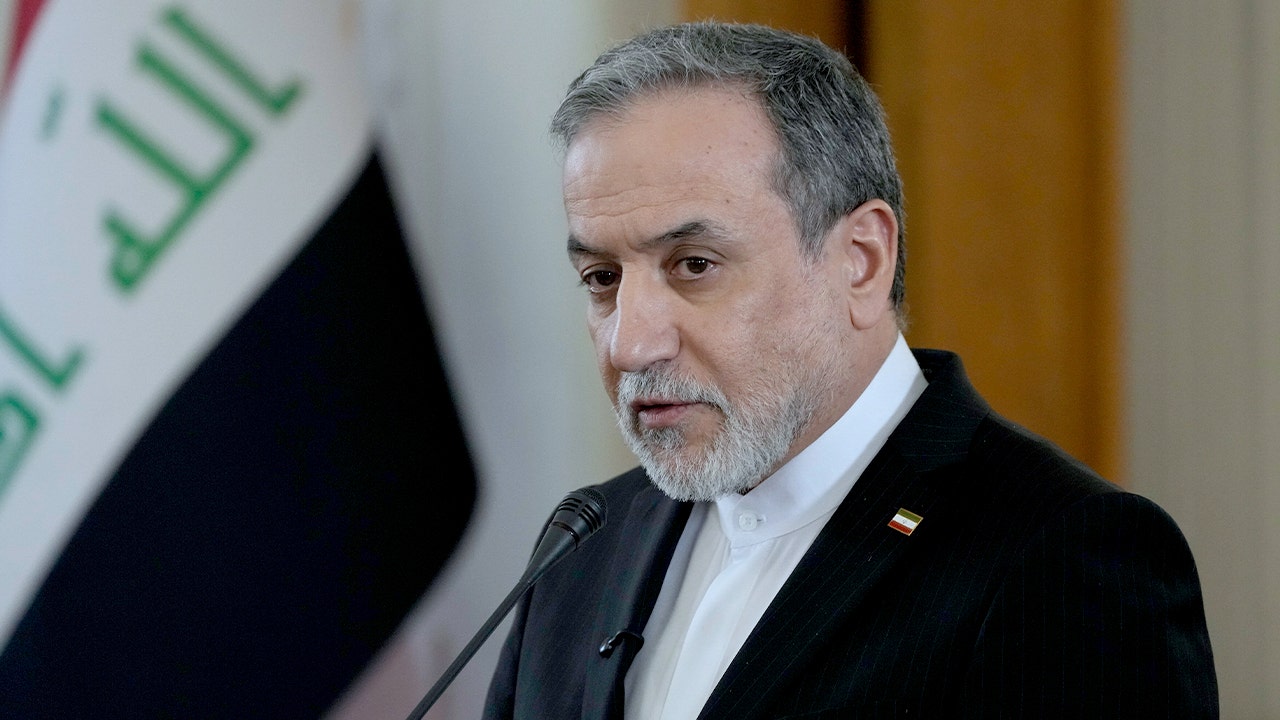
In an impassioned op-ed published in The Wall Street Journal, Iranian Foreign Minister Abbas Araghchi delivered a stark warning to the United States, pledging that Iran would respond “with everything we have” to any further military aggression. As relations between the two nations deteriorate to dangerous levels, Araghchi portrayed Iran as a nation pursuing diplomacy while defending itself against external interference. The warning comes as Iran faces international condemnation for a brutal crackdown on widespread protests that has reportedly claimed thousands of lives, creating a humanitarian crisis that threatens to pull the entire region into deeper conflict.
The Iranian government’s narrative frames the protests as initially peaceful demonstrations that were subsequently “hijacked by foreign and domestic terrorist actors,” necessitating what critics have called a disproportionate and violent response. This official position stands in stark contrast to reports from human rights organizations documenting systematic violence against civilian protesters. Araghchi specifically pointed to U.S. rhetoric, particularly statements from President Trump, as creating conditions that encouraged violence and unrest. The near-total shutdown of internet and communications within Iran has further complicated efforts to verify accounts from within the country, with international observers expressing concern that the blackout serves primarily to conceal the scale of the government’s response rather than to maintain public safety.
As the death toll continues to rise, the Human Rights Activists News Agency (HRANA) has documented staggering figures: at least 26,314 people arrested and 4,519 deaths confirmed across 629 recorded protests nationwide. Perhaps most disturbing among these statistics is the report that 4,251 of those killed were protesters, including 33 children under the age of 18. These numbers paint a devastating picture of a country in crisis, with the United Nations Human Rights Council announcing a special session to address the deteriorating situation. The international community finds itself at a crossroads, balancing concerns about human rights violations against the risk of actions that could escalate into regional warfare, particularly as President Trump reportedly considers military options and U.S. military assets move into position in the region.
The human toll of the crisis was powerfully captured by Iranian journalist Elaheh Mohammadi, who described Tehran as a city that “smells of death.” In a poignant observation shared on social media during a brief window of internet connectivity, Mohammadi noted that even the rare sight of snow in Tehran failed to bring smiles to residents’ faces. “A whole country is in mourning, a whole country is holding back tears, a whole country has a lump in its throat,” she wrote, providing a glimpse into the collective trauma being experienced across Iran. These sporadic internet connections, reportedly available for only 30-60 minutes at a time through VPN services, have become lifelines allowing people to let loved ones know they are still alive amid the violence.
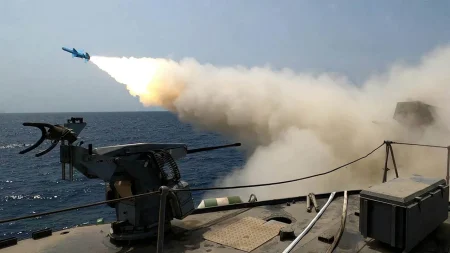
The Iranian foreign minister’s message to President Trump carried both warning and invitation: “The U.S. has tried every conceivable hostile act against Iran, from sanctions and cyber assaults to outright military attack—and, most recently, it clearly fanned a major terrorist operation—all of which failed. It is time to think differently. Try respect, which will allow us to advance farther than one may believe.” This statement highlights the fundamental impasse between the two nations, with Iran claiming to seek diplomatic solutions while simultaneously threatening substantial military response to any attack. The assertion that previous U.S. strategies have failed appears aimed at encouraging a reassessment of approach, though critics would argue it also serves to deflect responsibility for the current crisis.
As the protests continue into their fourth week, the world watches with growing concern. The United Nations’ decision to hold a special session signals the international community’s alarm at the situation, though concrete action remains uncertain. Military analysts, including former U.S. Army Vice Chief of Staff Jack Keane, have warned Iranian leadership to take President Trump “at his word” regarding potential military action, adding another layer of tension to an already volatile situation. What began as domestic unrest has transformed into a potential flashpoint for wider regional conflict, with thousands of families grieving lost loved ones and a nation struggling under both internal division and external pressure. The fundamental question remains whether diplomacy can prevail where threats and violence have thus far only deepened the crisis, leaving both ordinary Iranians and the wider Middle East in a precarious position as governments calculate their next moves.