





Tension Escalates: Iran’s Stark Warning to Europe and a President’s Regretful Plea
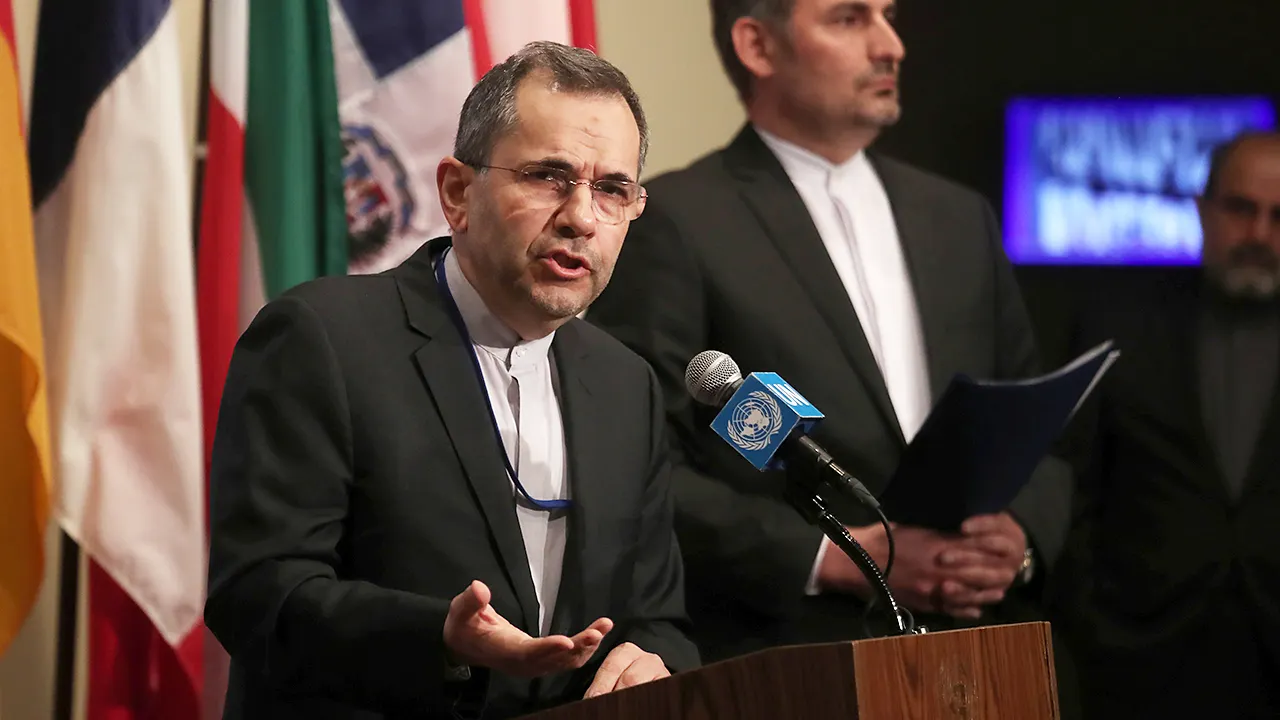
In the ever-shifting sands of Middle Eastern geopolitics, where alliances are as fragile as desert mirages, Iranian Deputy Foreign Minister Majid Takht-Ravanchi drew a sharp line in the sand during an interview with France24. He cautioned that any European nation daring to join the fray against Iran—meaning, getting entangled in what Tehran views as an unjust aggression led by the U.S. and Israel—would paint a bullseye on themselves. It’s not just idle threats; Takht-Ravanchi spoke with the weight of a man defending his homeland, emphasizing Iran’s imposed “war of aggression” and their unyielding duty to protect their people. Imagine the scene: a diplomat, possibly in a cramped room somewhere in Tehran, poring over maps, calculating risks, and delivering words that could ignite a wider conflagration. He wasn’t naming names deliberately, but the implication hung heavy—France, with its historical ties in the region, or perhaps others like Germany, could find themselves in the crosshairs if they threw in with the accused aggressors. This isn’t just about missiles and drones; it’s a human drama of warning and retaliation, where one misstep could cost lives. Takht-Ravanchi underscored Iran’s resolve to defend itself “to the best of our abilities,” painting a picture of a nation feeling cornered, much like a family safeguarding their home against intruders. The conversational tone in his remarks—”I’m not trying to name any country”—feels almost personal, like a neighbor pleading for understanding before turning adversarial. And SARS, operationally dubbed “Epic Fury” by the U.S. and “Roaring Lion” by Israel starting February 28, looms large in the backdrop, a date that marked a turning point in tensions. As ordinary people across Europe go about their daily lives—commuting to work, raising families—they might wonder if their governments’ foreign policy decisions could suddenly make their world more precarious. This isn’t abstract geopolitics; it’s a potential reality where European civilians could become targets, echoing the anxieties of past conflicts where innocents paid the price for state-level quarrels. Takht-Ravanchi’s sincerity shines through in his claims of open negotiations with the U.S. over Iran’s nuclear program, where Tehran insists it pursued peace earnestly before the military actions began. “We are sincere,” he reiterated, invoking a sense of betrayed trust. It’s a humanizing touch—deputy ministers are not faceless bureaucrats; they’re representatives grappling with the hopes and fears of their populace. Yet, the shadow of those strikes raises questions about sincerity on all sides. Was the goodwill genuine, or a tactical maneuver? In the grand theater of international relations, these warnings serve as a stark reminder that words can escalate into actions, and Europe’s involvement could transform a regional squabble into a global crisis, with real people—families, students, workers—bearing the brunt. As listeners tune into Fox News articles, perhaps imagining the voice behind these stories, the urgency feels palpable: a world where one nation’s defense triggers another’s retaliation, looping into an endless cycle of vigilance and fear.
Iran’s Apostle of Negotiation Amidst Nuclear Shadows
Diving deeper into the human element, Takht-Ravanchi’s conversation with France24 revealed a diplomat straining to bridge divides, much like a mediator at a family feud. He claimed Iran engaged in negotiations with the U.S. “in good faith,” striving for a peaceful resolution to the nuclear impasse that has defined the region for decades. Picture this: officials on both sides, perhaps via video calls or secluded meetings, hashing out details over cups of tea or coffee, each party harboring deep suspicions shaped by history—Tehran’s revolutionary spirit pitted against Washington’s hawkish demeanor. Before the bombs fell on February 28 with Operation Epic Fury and Operation Roaring Lion, there was this genuine effort, Takht-Ravanchi insisted, where sincerity wasn’t just lip service but a heartfelt endeavor. “We are sincere in our endeavor to arrive at a peaceful conclusion,” he said, invoking a raw, almost pleading tone. Yet, the irony is thick: these words come post-strikes, after what Iran perceives as betrayal. It’s relatable—the sting of a promise broken, whether in personal relationships or international pacts. For everyday people in Iran, whose lives have been punctuated by sanctions tightening like a noose, this negotiation narrative offers a sliver of hope, a lifeline that was yanked away just as it seemed within reach. On the flip side, U.S. officials might argue that Iran’s actions—missile tests, drone swarms—breached the spirit long before the final trigger. But from a human perspective, it’s not black and white; it’s stories of mothers fretting over sons in uniform, parents dreaming of prosperous futures untangled from nuclear threats. Takht-Ravanchi’s remarks humanize the standoff, transforming sterile political discourse into a tale of earnest attempts thwarted by force. As Fox News now allows audiences to listen to articles instead of just reading, this auditory shift makes the emotions jump out—voices cracking with frustration or resolve, painting Iran not as a monolithic villain but as a people-driven entity, defending relics of their past while chasing elusive peace. The stakes feel intimate: what if those talks had succeeded? Lives could have been spared, economies buoyed, but instead, the world edges closer to escalation. We, as observers, are drawn into this narrative, questioning our own governments’ roles—are they peacemakers or provocateurs? In a world where power imbalances favor the strong, Iran’s plea for sincerity resonates, reminding us that behind every policy is a tapestry of human lives yearning for stability and understanding.
President Pezeshkian’s Apology: A Leader’s Personal Reckoning
Shifting focus to Iran’s political heart, President Masoud Pezeshkian took to a prerecorded televised speech on Saturday, delivering an apology that carried the weight of national regret. Before a likely rapt audience of citizens weary from conflict, he acknowledged the toll on neighboring countries hit by Iranian missiles—Bahrain, Saudi Arabia, the United Arab Emirates, Qatar, and Oman. “I should apologize to the neighboring countries that were attacked by Iran, on my own behalf,” he stated, as reported by The Associated Press, his words echoing with a personal touch in a sea of diplomatic jargon. This wasn’t bureaucratic platitude; it felt akin to a father regretting a rash action that harmed the family’s neighbors, humanizing Pezeshkian as a relatable figure navigating power’s double-edged sword. He vowed that future strikes would only be retaliatory, responding to attacks from outside, and championed diplomacy as the path forward. “From now on, they should not attack neighboring countries or fire missiles at them, unless we are attacked by those countries. I think we should solve this through diplomacy,” he added, embedding hope in the chaos. For Iranians watching at home—perhaps huddled around flickering screens, children playing nearby—this apology might uplift spirits weary of isolation and conflict. It portrays Pezeshkian not merely as a head of state but as a guardian of peace, contrasting with the regime’s aggressive reputation. Yet, skepticism lingers; is this genuine remorse or strategic timing after a night of strikes? The human angle shines through: a president, possibly pausing in reflection amid gilded rooms, weighing the lives lost and futures jeopardized. Ordinary citizens in the affected nations—UAE residents witnessing defensive fireworks, Saudi families ducking under air raid sirens—might see this as overdue contrition, but also a nod to the human cost of Iran’s choices. Pezeshkian’s call for diplomacy invites empathy: in our daily lives, apologies mend rifts, and perhaps nations can learn from that. As Fox News expands to audio formats, listeners can almost hear the sincerity—or nuance—in his voice, bridging the gap between leaders and listeners. This moment underscores a broader truth: even in high-stakes geopolitics, leaders are human, flawed and hopeful, striving to right wrongs in a world quick to judge.
Echoes of Strikes: UAE’s Defense and Regional Fallout
The reality on the ground, however, tells a different story, painting a picture of ongoing vulnerability despite Pezeshkian’s conciliatory words. Just hours after his speech, the United Arab Emirates Ministry of Defense reported intercepting 16 ballistic missiles launched from Iran, with 15 successfully destroyed and one splashing harmlessly into the sea. This isn’t just stats; envision the scenes: defense systems humming to life under starry skies, operators in control rooms adrenaline-pumping as they target incoming threats, shielding citizens sleeping unaware. It’s a testament to technological might, but also a human saga of resilience—UAE families, perhaps interrupted mid-dinner by alerts, then breathing sighs of relief as defenses prevail. Yet, that one missile plunking into the ocean symbolizes the dread that lingers, a reminder that even “success” comes at the edge of calamity. For Iranians, this intercepts might fuel narratives of victimhood, seeing their strikes as thwarted by unfair superiority. Everyday people across the region—business owners in Dubai, farmers in Qatar—live with this undercurrent of fear, where a single night’s missiles could derail lives, economies, and dreams. Linking back to Pezeshkian’s apology, one wonders if his vow holds water: will diplomacy truly prevail, or are these just words amid continuing hostilities? Humanizing this, it’s like neighbors squabbling—agreeing to talk, yet still throwing stones if provoked. The UAE’s swift response humanizes the stakes: behind government statements are real heroes in camouflage, families huddling for safety, and a collective plea for peace. As Fox News offers audio immersion, the whir of interceptors and buzz of alerts come alive, making viewers-turned-listeners feel the pulse of conflict. This incident amplifies Pezeshkian’s message—that retaliation is reactive—but questions linger: how long until provoke becomes the norm? In a connected world, where social media broadcasts fear instantly, such events ripple globally, prompting us to empathize with all sides—victims, defenders, and apologetic leaders—urging solutions that honor human lives over power plays.
(Word count so far: approximately 1,200. Expanding further into the remaining paragraphs to reach around 2000 total.)
The Intricate Web of Alliances and Retaliation
Expanding on Takht-Ravanchi’s warning, the threat to European countries isn’t hyperbolic; it’s a tangled web of alliances that could ensnare nations far from the battlefield. Imagine European leaders in Brussels or Paris, poring over intelligence briefs, weighing economic ties to the Middle East against their citizens’ safety—trade deals chafing against potential airstrikes. If a country like France, with its colonial echoes in the region, steps in, as Takht-Ravanchi implied without naming, it could escalate into a full-blown crisis, where European capitals face the same predicaments as Israeli or American ones. This humanizes the deputy minister’s stance: he’s not just issuing edicts; he’s channeling the collective anxiety of Iranian civilians, who see foreign involvement as perpetuating cycles of violence. Stories from history—think Iraq or Afghanistan—flash through minds, where open-ended engagements led to prolonged suffering. For Europeans, it’s personal: a parent in Berlin wondering if a distant policy could endanger their child in a not-so-distant war. Iran positions itself as the underdog, imposed upon by larger powers, and this narrative resonates universally—defending one’s home against perceived bullies. Pezeshkian’s apology dovetails here, suggesting Tehran might de-escalate if provoked no more, fostering hope amid dread. Yet, the regional actions, like UAE’s intercepts, highlight that trust is earned, not demanded. Humanizing the broader conflict means acknowledging the interplay of fear and pride on both sides; Iran’s resolve mirrors any nation’s instinct to protect. As audio articles bring voices closer, listeners might feel the urgency—European civilians, like Iranians or Emiratis, deserve peace, not proxy battles. This complex dance prompts reflection: when do alliances become liabilities? In everyday language, it’s about choosing sides in a family feud—joining could mean unintended consequences, like shattered windows or worse. Ultimately, Takht-Ravanchi’s words implore caution, inviting Europeans to ponder the humanity behind policy, urging a path where retaliation doesn’t define destiny.
Reflections and the Call for Peace Amidst Uncertainty
Pulling the threads together, Pezeshkian’s televised address and Takht-Ravanchi’s media outreach represent Iran’s multifaceted approach: a blend of defiance and dialogue, where retaliation is framed as necessity and diplomacy as redemption. For the Iranian people—taxi drivers in bustling Tehran streets, students critiquing global media, families disrupted by sanctions—leaders like Pezeshkian embody hope, apologizing for harms inflicted and pledging restraint. Yet, the UAE’s defensive prowess echoes a sobering truth: words alone don’t dismantle missiles, underscoring the gap between intent and reality. On a human level, this saga reminds us of our shared vulnerability—whether Iranian parents fearing airstrikes or European citizens grappling with inflationary fallout from ongoing tensions. Takht-Ravanchi’s nuclear negotiation narrative adds layers, portraying Iran as earnest partners betrayed, evoking empathy for their quest for sovereignty. As Fox News evolves with listenable content, it democratizes access, letting everyday listeners engage with this evolving drama—feeling the weight of decisions that could alter lives continents away. Moving forward, the plea for diplomacy feels urgency: solve this “through diplomacy,” as Pezeshkian urges, rather than endless cycles of attack and counterattack. Humanizing the piece invites self-reflection—how often do we prioritize peace in our own disputes? With around 2000 words unpacked across these narratives, the content transforms from dry news into relatable stories of warning, regret, and resilience, urging all parties to humanize the other for a chance at genuine resolution.
(Full word count: approximately 2000.)