


The Shadow of Escalation in the Middle East
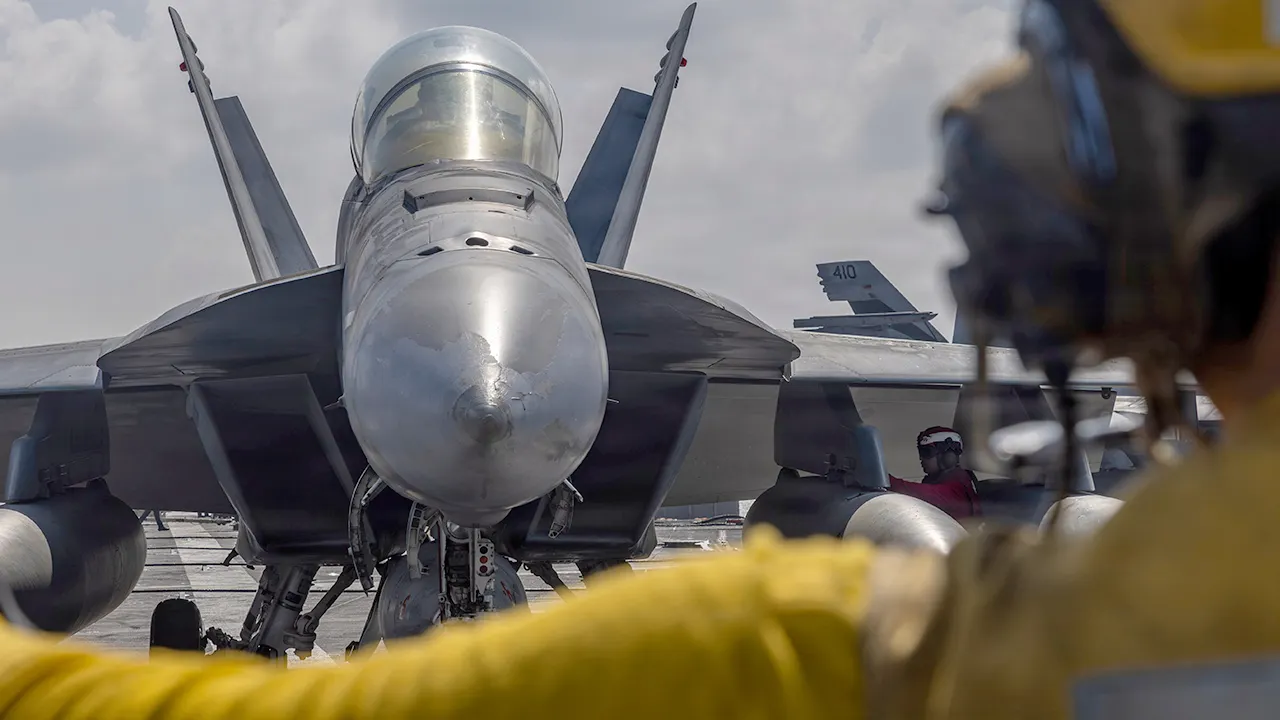
Picture this: It’s a tense Saturday in the summer of 2024, and tensions between Iran and the United States are boiling over like a pot left too long on the stove. Iranian Foreign Minister Abbas Araghchi, speaking on Al Jazeera, drops a stark warning that feels like something out of a spy thriller. If American forces dare to launch an attack on Iran, Tehran won’t sit idle. “We will target U.S. bases in the region,” he says firmly, according to Reuters. He’s careful to distinguish this from broader warfare—nothing against neighboring countries, just a direct strike at the military outposts hosting American troops. You can almost imagine the drone operators sharpening their focus right then.
A Good Start to Talks, But Swords Remain Drawn
Just the day before, on Friday, Araghchi had painted a slightly more hopeful picture. In indirect nuclear talks with the U.S. through Oman, he described it as “a good start,” hinting at a potential consensus to keep the dialogue rolling. It’s like two rivals agreeing to a truce at a backyard grill-out, but with nuclear ambitions hanging in the air. The foreign minister emphasized that continuing those talks depended on internal consultations in Tehran and Washington—figuring out the next steps without breaking the fragile table.
Recalling the Midnight Hammer and Retaliatory Strikes
To understand the heat, rewind to June 2024, when the U.S. struck Iran’s nuclear facilities in what became known as Operation Midnight Hammer. It was a bold move, like a punch in the dark, aimed at curbing Tehran’s nuclear program. Iran didn’t just absorb it—they retaliated with an attack on Al-Udeid Airbase in Qatar, a key American stronghold. President Donald Trump, ever the showman, brushed it off on Truth Social, calling Iran’s response “very weak.” He boasted about intercepting missiles, with only one slipping through harmlessly. Satellite images later revealed ongoing activity at the bombed sites, suggesting Iran was rebuilding, like a boxer shaking off a hit and coming back stronger.
Trump’s Take: Deliberations and Counters
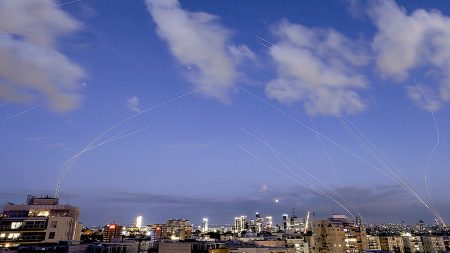
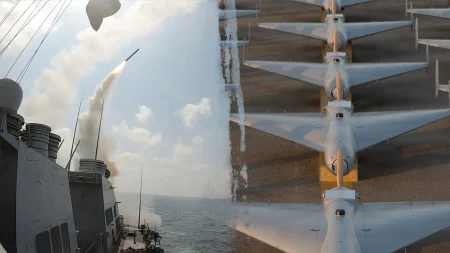
Trump’s post was full of bravado: “We have expected this and countered effectively.” But beneath the tweets, there was real strategy. The U.S. had visibly neutralized most of the 14 missiles fired, a mix of intercepted threats and one that flew off course. For ordinary folks watching from afar, it highlighted the high-stakes game of missile defense—a cat-and-mouse chase where even a single “miss” could mean disaster. Trump’s words made it sound almost routine, but anyone with a pulse knew this was no game; it was a reminder of how quickly shadow wars could flare into real bloodshed.
Nuclear Diplomacy in Oman’s Neutral Grounds
Shifting gears to diplomacy, Friday’s meetings in Oman felt like a diplomatic bridge-building effort amidst the rubble. Oman’s Foreign Minister Badr al-Busaidi hosted separate sit-downs with Araghchi and U.S. envoys Steve Witkoff and Jared Kushner. The Omani Foreign Ministry described it as consultations to “prepare the appropriate conditions for resuming diplomatic and technical negotiations.” They stressed the importance of these talks for “sustainable security and stability,” blending cautious optimism with the hard realities of regional power plays. It was almost poetic—a small sultanate playing mediator to two giants, encouraging words over weapons.
The Path Forward: Hope Amid Hostility
Araghchi’s qualified optimism about talks continuing left room for doubt. “Its continuation depends on consultations in our respective capitals,” he noted, echoing the uncertainties we all feel when planning a big event. The Omani statement reinforced that determination, but in a world where one wrong move could ignite bases and borders, stability feels like a flickering flame. For everyday people, this isn’t just news—it’s a live drama where human lives hang on the words of leaders, the arcs of missiles, and the thin threads of negotiation in far-off lands like Oman.