




The Tense Dance of Diplomacy: Iran and the US Teetering on the Brink
In the ever-shifting theater of international relations, where trust is as fragile as a spider’s web, we’ve arrived at a pivotal moment in the Iran-US nuclear saga. Picture this: senior Iranian officials, eyes steely with resolve, are gearing up for high-stakes talks in the picturesque city of Geneva, Switzerland. Majid Takht-Ravanchi, Iran’s deputy foreign minister, stood before the world on Tuesday with a declaration that echoed like a solemn vow. “We will do whatever it takes,” he insisted, his voice firm amid the hum of global scrutiny. Imagine the weight of those words—coming from a man whose nation has weathered decades of sanctions, threats, and isolation. Takht-Ravanchi emphasized Iran’s readiness to negotiate “as soon as possible,” entering the room with “complete honesty and good faith.” But he didn’t mince words about the stakes: any aggression from the US would trigger a response aligned with their defense plans, painting a picture of a nation not just defending its borders but its very soul. It’s a reminder that behind the diplomatic jargon lies the raw pulse of a people who have seen wars, revolutions, and revolutions again. As humans, we can relate to that instinct to protect what’s ours, whether it’s a home, a family tradition, or a national identity forged in hardship. This isn’t just about atoms splitting; it’s about pride, survival, and the age-old question: can enemies find common ground, or are they doomed to clash like titans in an endless storm?
The scene intensifies when we zoom in on the US side of the equation. American special envoy Steve Witkoff and the influential Jared Kushner—think of him as the matchmaker in this geopolitical mismatch—are set to huddle with their Iranian counterparts later this week, per Reuters reports. Witkoff, a figure with a reputation for no-nonsense toughness, has been dubbed the brain behind Iran’s portfolio. He’s the guy who once cracked down hard, pushing sanctions that crippled Tehran’s economy, but now, he’s reportedly extending an olive branch blended with firmness. This meeting isn’t just bureaucratic; it’s a lifeline in a labyrinth of mistrust. For policymakers like Kushner, who’s orchestrated some of the most audacious Middle East peace deals, this represents another gamble in a career built on high-wire acts. As everyday people juggling bills and relationships, we understand the thrill and terror of a last-chance scenario—whether it’s fixing a marriage on the rocks or sealing a business deal that could change everything. Yet, beneath the tailored suits and whispered strategies, there’s the human element: families torn by sanctions, scientists in labs racing against time, and diplomats who go home at night wondering if their efforts will usher in peace or ignite war. Iran, after all, has been inching closer to what experts call “bomb-making material,” a threshold that sends alarms blaring across Washington. Witkoff himself has warned, according to recent reports, that Iran is “a week away” from that perilous point, underscoring why these talks aren’t optional—they’re urgent. It’s like watching a pot about to boil over; one wrong move, and the kitchen burns.
Pivoting to the White House, the administration’s stance adds another layer of intrigue and unpredictability. White House press secretary Karoline Leavitt, channeling the blunt force of her predecessor, stated President Trump’s philosophy loud and clear: diplomacy is the “first option,” but he’s never shied away from wielding “the lethal force of the United States military if necessary.” This isn’t hyperbolic posturing; it’s a doctrine rooted in Trump’s “America First” worldview, where strength isn’t just talked about—it’s leveraged like a shield in a game of thrones. Leavitt’s words land like a punch, reminding us that behind every policy decision are real lives—soldiers deploying, families bracing for loss, and leaders grappling with the morality of force. In human terms, it’s akin to a parent deciding whether to reason with a rebellious teen or resort to discipline; sometimes, the threat of action is the only language understood. Fox News Digital reached out to the White House for more insights, but the response was swift and to the point—no-nonsense echoes of a president who thrives on bold moves. Trump’s track record, from pulling out of the 2015 nuclear deal to sanctioning adversaries, paints him as a wildcard in these negotiations. Yet, as observers, we can’t help but ponder the personal toll: Has Trump, in his relentless pursuit of fairness for America, considered the human cost of escalating tensions? Wars aren’t just statistics; they’re mothers weeping, children orphaned, societies scarred for generations. This brinkmanship feels eerily familiar, echoing Cold War standoffs where one miscalculation could unravel the world.
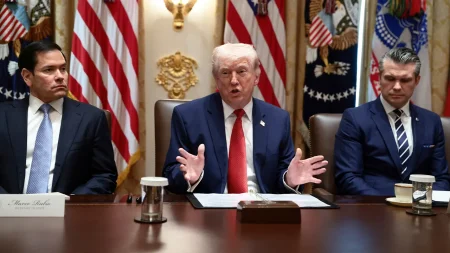
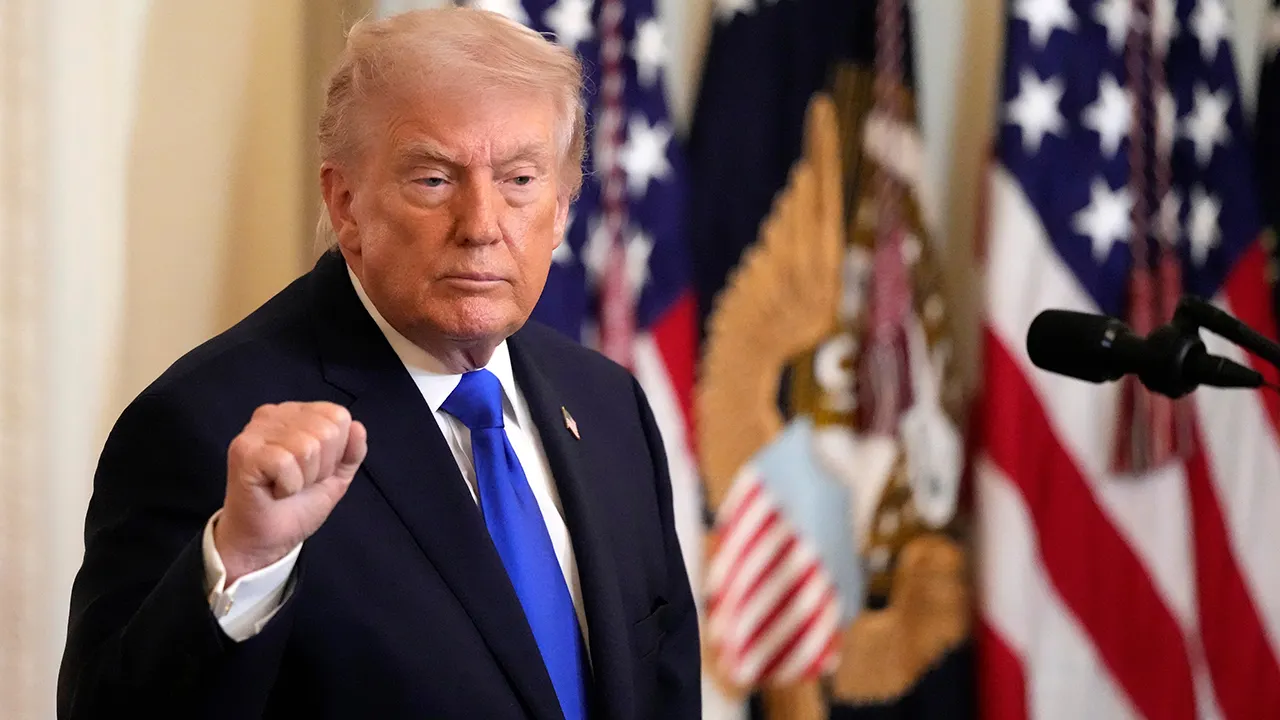
Donald Trump himself amplified the drama with a series of Truth Social posts, his preferred digital megaphone. “It will be a very bad day for Iran if the country can’t strike a deal,” he warned on Monday, his words carrying the weight of a man who doesn’t back down. It’s classic Trump: direct, unfiltered, and laced with foreboding, like a storm cloud gathering on the horizon. For many Americans, this resonates on a visceral level—even if the complexities of nuclear enrichment seem distant, Trump’s plainspoken style cuts through the noise. He’s the guy who’d rather tweet a threat than linger in endless summits, reflecting a populace tired of drawn-out bickering. Imagine waking up to such a message; it stirs patriotism in some, anxiety in others, and a collective yearning for resolution. Trump’s approach, while polarizing, humanizes the stakes: diplomacy isn’t a chess game for elites—it’s a battle for everyday security. His willingness to invoke force mirrors the protective instincts we all feel when our loved ones are at risk, but it also raises ethical quandaries. Is arming for peace the path forward, or does it perpetuate cycles of violence? As a society, we’ve seen how leaders’ personalities shape history—think Lincoln’s eloquence or Churchill’s defiance—and Trump’s blend of bluster and bravado is no exception. In these wearying times of global strife, his words remind us that leaders are people too, driven by convictions that can unite or divide us.
Meanwhile, across the aisle, Iranian Foreign Minister Abbas Araghchi took to X (formerly Twitter) to counter with his own blend of optimism and obstinacy. “Pillared on the understandings forged in the previous round, Iran will resume talks with a determination to achieve a fair and equitable deal—in the shortest possible time,” he proclaimed. His language was poetic, almost lyrical, invoking “fundamental convictions” that Iran would never pursue nuclear weapons, yet steadfastly uphold its right to peaceful technology. For the Iranian people, who cherish advancements in energy and medicine, this isn’t just rhetoric—it’s a lifeline to prosperity amid crushing sanctions. Araghchi spoke of a “historic opportunity” for an “unprecedented agreement,” urging diplomacy as the priority. Yet, interwoven was a fierce pledge: “We have proven that we will stop at nothing to guard our sovereignty with courage.” As readers, we can empathize with this duality—the joy of potential breakthroughs contrasted with the fear of losing autonomy. It’s like negotiating a family inheritance: you want fairness, but you’ll fight tooth and nail for what’s rightfully yours. Araghchi’s posts humanize the Iranian perspective, showing a nation not as a monolith of villains, but as individuals invested in a future free from external domination. Globally, we’re reminded of the universal desire for dignity and progress, from accessing clean power to developing vaccines. This exchange paints a picture of leaders not as automatons, but as stewards of their people’s dreams, navigating a maze where one wrong turn could lead to catastrophe.
In wrapping up this intricate tapestry of tensions, we’re left with a profound sense of humanity amidst the geopolitics. This standoff isn’t confined to boardrooms or bunkers—it’s woven into the fabric of our shared existence. Diplomats like Witkoff and Araghchi represent hopes and fears, echoing the struggles we all face in bridging divides, whether in international pacts or personal reconciliations. Trump’s implied threats and Iran’s defensive postures underscore how power, when unchecked, breeds fear and fortifies walls. Yet, the very fact that voices from both sides are reaching across the divide offers a glimmer of hope. As everyday folks on this spinning planet, we crave stories with happy endings—treaties honored, enmities softened, and futures secured. The Geneva meetings could be that turning point, but only if honesty trumps hubris. Reflecting on this, it’s worth pondering our own roles: How do we contribute to peace, beyond absorbing headlines? Votes, dialogues, and acts of kindness locally can ripple outward. In the end, the Iran-US negotiations aren’t just about nukes; they’re about whether humanity can evolve beyond the reflexes of retaliation. As Araghchi noted, “a deal is within reach, but only if diplomacy is given priority.” Let’s hope that’s the path chosen—for the sake of all families, on every side, yearning for a world where talks triumph over threats. What a testament to our collective resilience that such moments, fraught with peril, also brim with possibility. And with Fox News’ new audio feature, we can now immerse ourselves deeper, listening to these stories unfold as if witnessing history in real-time, one heartbeat at a time. Remember, in the grand symphony of life, each note of negotiation could harmonize into something beautiful—or shatter into discord. The choice, as always, lies in our hands.