


The Gathering Storm in the Middle East
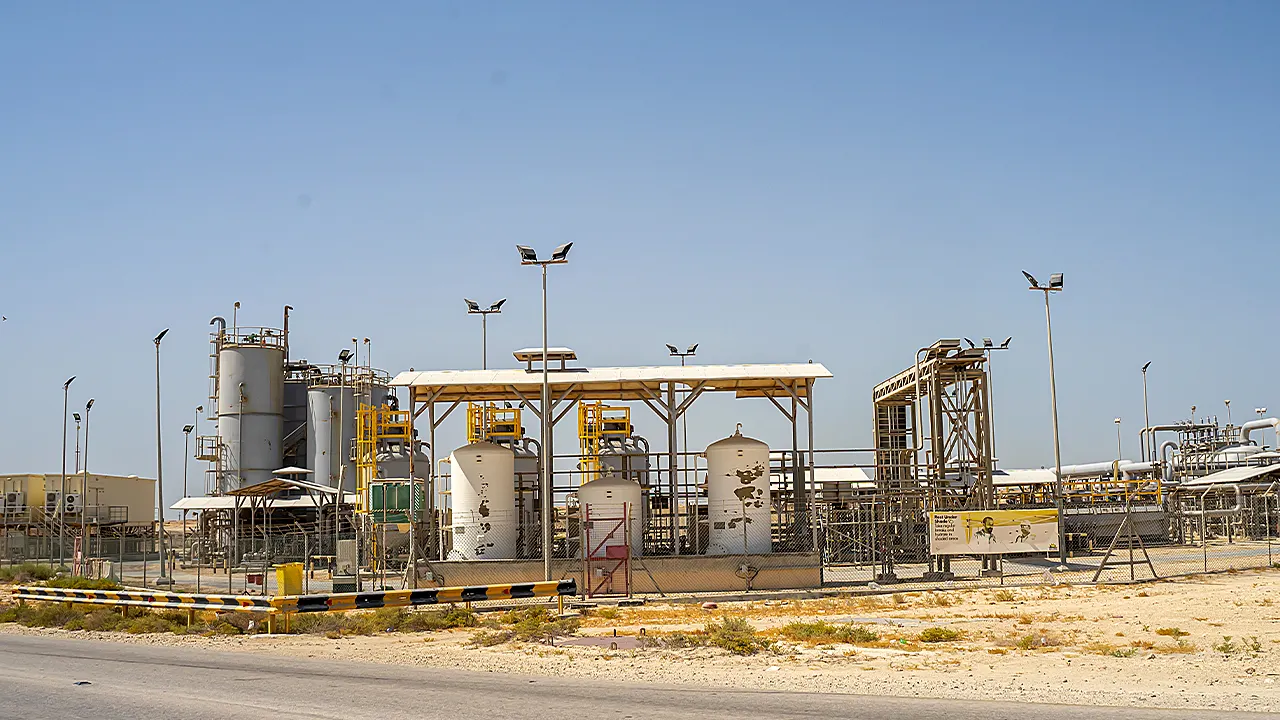
In the arid heart of the world’s driest regions, where sun-scorched deserts stretch endlessly and every drop of water feels like a precious lifeline, a new specter of conflict looms large. Tensions between Iran and the United States, fueled by decades of mistrust and recent escalations, have now turned toward something profoundly personal: our very access to clean water. Kaveh Madani, a distinguished Iranian scientist and a key figure at the United Nations, issued a chilling warning on a quiet Sunday. He told Fox News Digital that Iran could strike critical desalination plants across the Middle East within the next few days. These facilities, which transform salty seawater into potable water, are lifelines for millions in places like Israel, Bahrain, and other Gulf nations where natural freshwater is a distant memory. Picture the fear that must grip families in these areas—ordinary people, perhaps a mother struggling to keep her children hydrated during the scorching summer heat, or farmers eyeing barren fields that might never bloom again if water becomes as scarce as hope. Madani’s words aren’t just predictions; they’re echoes of a brewing crisis that could plunge the region into what he ominously calls a “real water war.” This isn’t abstract geopolitics; it’s a human drama unfolding in real time, where the threat hangs over daily routines like a dark cloud, forcing us to confront how our world runs on the resources we often take for granted.
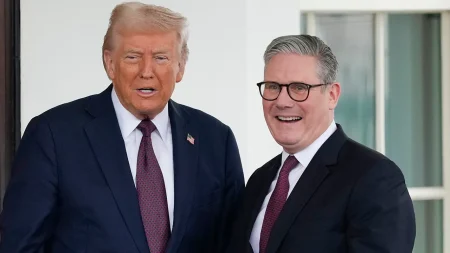
The backdrop to this drama is a series of escalating exchanges that feel like chapters from a high-stakes thriller. Just days before Madani’s alert, President Donald Trump had leveled a stark ultimatum: if Iran didn’t reopen the vital Strait of Hormuz, through which a significant chunk of the world’s oil flows, the U.S. would target Iranian power infrastructure. This narrow waterway, often dubbed the “Strait of Hormuz,” is a chokepoint where global energy supply and national sovereignty collide, and Trump’s words carried the weight of a nation’s might. Iran’s response, swift and defiant, came from the Central Headquarters of Hazrat Khatam al-Anbiya—a revered group tied to the country’s revolutionary foundations. In a statement that reverberated like a thunderclap, they vowed that any attack on Iran’s fuel or energy systems would unleash retaliation against U.S.-aligned infrastructure, including desalination plants and energy hubs across the region. Imagine the strategists in dimly lit war rooms, poring over maps, their faces etched with the exhaustion of endless brinkmanship. Mohammad-Bagher Ghalibaf, the speaker of Iran’s parliament, amplified this on social media, warning that critical energy and oil facilities would be “irreversibly destroyed,” sending oil prices soaring and locking the region into chaos. This isn’t just posturing; it’s a cycle of threats that pulls ordinary people into the fray, where a single misstep could mean blackouts, halted industries, and exasperated leaders scrambling for diplomatic off-ramps.
Desalination, the process that miracles saltwater into drinkable gold, stands at the epicenter of this impending storm. These plants aren’t mere industrial behemoths—they’re the unsung heroes supplying water to thirsty nations like Israel and many Gulf states, where rivers and lakes are luxuries forgotten. Iran’s own regime has hinted that such facilities are now fair game in retaliation, targeting vulnerabilities that hit hardest where freshwater is scarce. Reports indicate that strikes have already occurred: a plant on Iran’s Qeshm Island and one in Bahrain reportedly damaged, stirring fears of a domino effect. As someone who might rely on that water to quench thirst after a long day or to irrigate crops that feed communities, it’s hard not to feel a pang of vulnerability. Kaveh Madani paints a vivid picture of catastrophe—treatment plants crumbling, pumping stations going silent, distribution networks fracturing under the weight of conflict. In such arid lands, where droughts have long been a grim reality, this could mean the difference between life and desolation. Envision villages where wells run dry, children playing in dust instead of streams, and families rationing every sip as if it were currency in a barter economy. The human cost is immeasurable, blending the mechanical hum of machinery with the whispers of deprivation that could echo for generations.
Yet, the ripples extend far beyond the Middle East’s sandy shores, crashing into global economies with a force that could reshape everyday lives for billions. Madani doesn’t mince words: damaging these water infrastructures would trigger immediate and lasting economic fallout, rattling stock markets, inflating prices, and disrupting supply chains reliant on regional stability. Think of the grocery bills skyrocketing because food production falters without water; or fuel costs spiking as the Strait of Hormuz chokes the world’s oil lifeline. Previous incidents have already sent tremors through markets, and this escalation promises more—a “new phase” in conflict that weaponizes civilian essentials like water and energy. Experts warn of humanitarian disasters on a scale that’s hard to fathom: millions displaced, access to electricity cut off, and societies teetering on the edge of collapse. As a consumer in a far-off country, you might feel this through the pinch at the pump or the uncertainty in your job security, linked as we all are through the invisible threads of global trade. It’s a sobering reminder that in this interconnected world, a desert’s drought can parch distant lands, turning personal struggles—perhaps your own utility bill spikes or a loved one’s reliance on imported goods—into reflections of a larger, shared fragility.
Iran, ironically, positions itself as less vulnerable in this water-focused warfare, being the least dependent on desalination among the region’s players. But beneath this strategic posture lies a grim irony: the country itself grapples with years of drought, mismanagement of resources, and plummeting groundwater levels, leaving vast swaths water-stressed and vulnerable. It’s a paradox that speaks to the regime’s willingness to escalate, even at the risk of its own people’s suffering. Holly Dagres, a seasoned analyst at the Washington Institute for Near East Policy, offers insight that’s both poignant and troubling: the Islamic Republic, facing what it perceives as existential threats, would rather let its nation endure hardship than show weakness. She reminds us that a populace deprived of water or electricity is less likely to rise in rebellion, prioritizing survival over dissent. This humanizes the tragedy—mothers in Tehran hoarding water for their children amid power cuts, farmers in southern provinces watching their livelihoods evaporate like morning dew. In the grand theater of geopolitics, these are the silent protagonists whose stories of resilience and despair underscore the regime’s calculus, where national pride trumps immediate welfare, and the cost is borne on the shoulders of everyday Iranians striving for a sliver of normalcy.
Ultimately, this standoff paints a portrait of a world teetering on the brink, where water—once seen as an endless resource—becomes a battleground in international rivalries. The potential for a full-blown water war isn’t just a headline; it’s a human crisis that demands empathy and action. Leaders on all sides must reckon with the catastrophic implications, from immediate retributions to long-term recoveries that could take years to mend frayed infrastructures and rebuild trust. For those of us removed from the heat of the desert, it’s an opportunity to reflect on our shared vulnerabilities—how a drop of water in the Middle East can affect the flow of our own lives. As tensions simmer, the hope lies in dialogue that cools the flames before they consume more than just land and resources, before they erode the very essence of human dignity. In humanizing this narrative, we see not nations at odds, but people yearning for stability, for the simple act of turning on a faucet without fearing the unknown. The path forward requires wisdom to de-escalate, lest we all drown in the rising tides of conflict.