





Iran in Crisis: Protests, Hacking, and the Call for Change
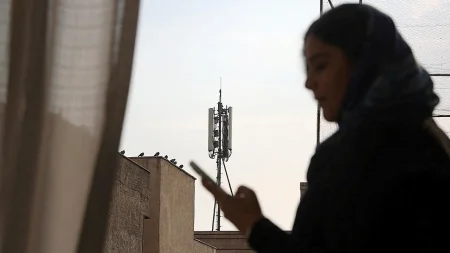
In an unprecedented digital resistance against Iran’s authoritarian regime, multiple state television channels were hacked this Sunday, broadcasting messages of freedom and revolution during a government-imposed internet blackout. The breach allowed millions of Iranians to see footage of exiled Crown Prince Reza Pahlavi and powerful images of the anti-government protests that have been transforming the streets of Tehran and cities across the nation for over three weeks. This dramatic moment comes as the demonstrations reach a potential tipping point, with security forces responding with increasing violence while protesters remain undeterred in their demands for fundamental change. The hacked broadcast directly challenged the loyalties of Iran’s military forces with a stark message: “Don’t point your weapons at the people. Join the nation for the freedom of Iran.”
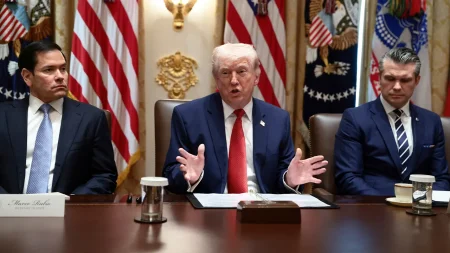
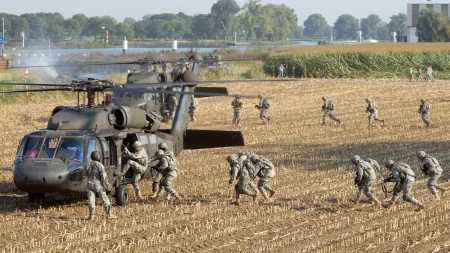
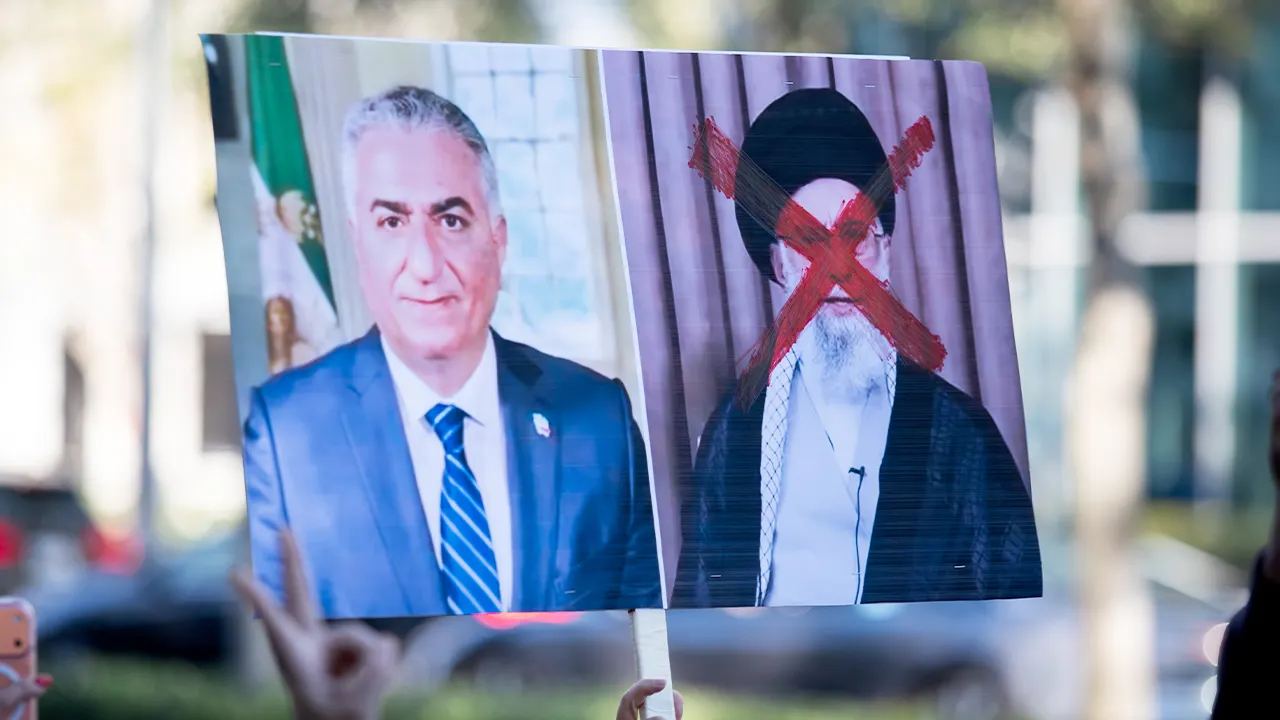
Prince Pahlavi’s message struck at the heart of the regime’s power structure, making a direct appeal to the armed forces that currently maintain the Islamic Republic’s control. “I have a special message for the military. You are the national army of Iran, not the Islamic Republic army,” the exiled heir to Iran’s pre-revolutionary throne declared, emphasizing that soldiers have “a duty to protect your own lives” and warning they “don’t have much time left” to join the popular movement. This appeal to military defection represents a strategic attempt to fracture the regime’s control mechanisms at a moment when President Trump is reportedly considering possible U.S. military intervention, adding international pressure to the already volatile situation. For many Iranians who have lived their entire lives under the Islamic Republic established in 1979, Pahlavi remains a powerful symbol of an alternative path for their nation.
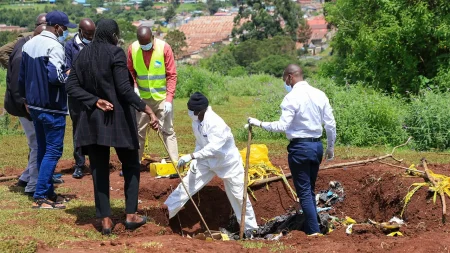
The scale of the ongoing protests is staggering and continues to grow despite the regime’s brutal crackdown. According to the Human Rights Activists News Agency (HRANA), which meticulously documents human rights violations within Iran, the nationwide uprising has now entered its 22nd consecutive day with 624 recorded protests across the country. Their data reveals the horrifying human cost: at least 3,919 confirmed deaths, with 3,685 of those being protesters, including 25 children under 18 years old. The regime’s response has been equally sweeping, with HRANA documenting nearly 25,000 arrests as authorities attempt to quell the uprising through mass detention. Perhaps most alarming is that almost 9,000 additional deaths remain under investigation, suggesting the true toll may be significantly higher than current confirmed figures.
The humanitarian crisis has deepened as security forces reportedly target the medical infrastructure desperately needed by injured protesters. Witnesses across multiple cities have described disturbing scenes of armed personnel storming hospitals, forcibly removing wounded demonstrators, and actively preventing medical professionals from providing care. These accounts paint a picture of systematic interference with emergency services, where ambulances fail to arrive at protest sites, and communication networks are deliberately disabled to prevent calls for help. In some areas, morgues have reportedly been overwhelmed with bodies, while security forces maintain a heavy presence around medical facilities to intimidate both healthcare workers and patients. Most heartbreaking are reports of injured protesters bleeding to death in makeshift shelters after being denied access to hospitals or being turned away from facilities under government pressure.
The current protests represent the most significant challenge to the Islamic Republic’s authority since its establishment over four decades ago. Unlike previous movements that focused on specific political or economic grievances, today’s demonstrators are increasingly calling for the complete dissolution of the theocratic system. This fundamental shift in public demands reflects growing disillusionment across Iranian society, where years of economic hardship, international isolation, and social restrictions have created widespread frustration. The movement has drawn support from diverse segments of society, transcending traditional divisions of class, geography, and even religious observance. Women have played a particularly prominent role, with many publicly removing their mandatory hijabs in direct defiance of the regime’s most visible symbol of control over personal freedom.
As the situation continues to unfold, the international community faces difficult questions about how to respond. Western governments must balance their desire to support democratic aspirations against concerns about intervention and unintended consequences. For ordinary Iranians caught in this historic moment, the stakes could not be higher – they risk their lives each time they join demonstrations or express dissent online. Yet despite the dangers, thousands continue to fill the streets day after day, driven by a collective determination that seems to grow stronger in the face of repression. The hacked television broadcast, brief as it was, represents something powerful: a crack in the regime’s carefully controlled information environment and a reminder that even the most seemingly impenetrable systems of control can suddenly reveal unexpected vulnerabilities. As night falls across Iran, both the government and protesters prepare for what comes next in a confrontation that may ultimately determine the nation’s future for generations to come.