


Iran’s Mounting Human Toll: The Untold Story of a Nation in Protest
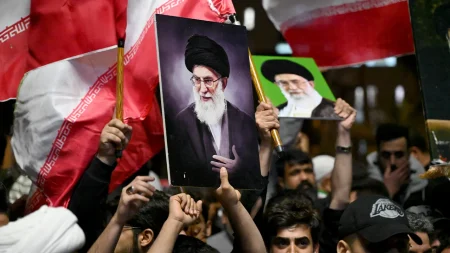
In a rare moment of acknowledgment, Iranian state television recently conceded that the Islamic Republic has lost “a lot of martyrs” in the widespread anti-government protests that have gripped the nation. This unusual admission offers a glimpse into the severity of the situation, though it frames the casualties through the regime’s perspective, attributing the deaths to “armed and terrorist groups.” The reality on the ground, however, tells a far more complex and devastating story. According to the U.S.-based Human Rights Activists News Agency, the death toll has reached approximately 2,000 people, with 1,847 of those being protesters and 135 belonging to Iran’s security forces. Other reports suggest the actual number could exceed 3,000, with many deaths likely going undocumented as the government tightens its grip on information flow. These protests, which began in late December with shopkeepers and bazaar merchants demonstrating against worsening inflation and the collapse of the national currency (the rial), quickly evolved into a broader movement spanning universities and provincial cities, where young people directly confronted security forces in increasingly tense standoffs.
The international community has not remained silent as these events unfold. UN High Commissioner for Human Rights Volker Türk issued a statement condemning the violence, declaring that “the killing of peaceful demonstrators must stop, and the labelling of protesters as ‘terrorists’ to justify violence against them is unacceptable.” This sentiment echoes concerns from human rights organizations worldwide that have been monitoring the situation with growing alarm. Meanwhile, the U.S. Virtual Embassy Iran has issued urgent warnings to American citizens still in Iran to leave the country immediately, highlighting the deteriorating security situation. The escalating tensions have also affected diplomatic channels, with former President Donald Trump announcing the cancellation of all meetings with Iranian officials “until the senseless killing of protesters STOPS.” Trump further addressed Iranian citizens directly through social media, encouraging them to “KEEP PROTESTING – TAKE OVER YOUR INSTITUTIONS!” and warning those responsible for the crackdown that they “will pay a big price.” This bold rhetoric comes at a time when Iran had previously claimed to be in contact with U.S. officials regarding the unrest.
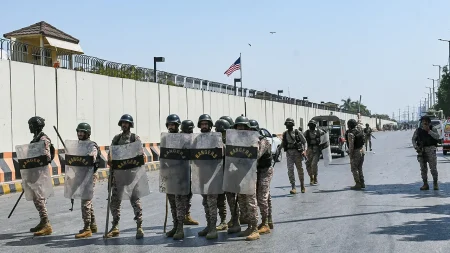
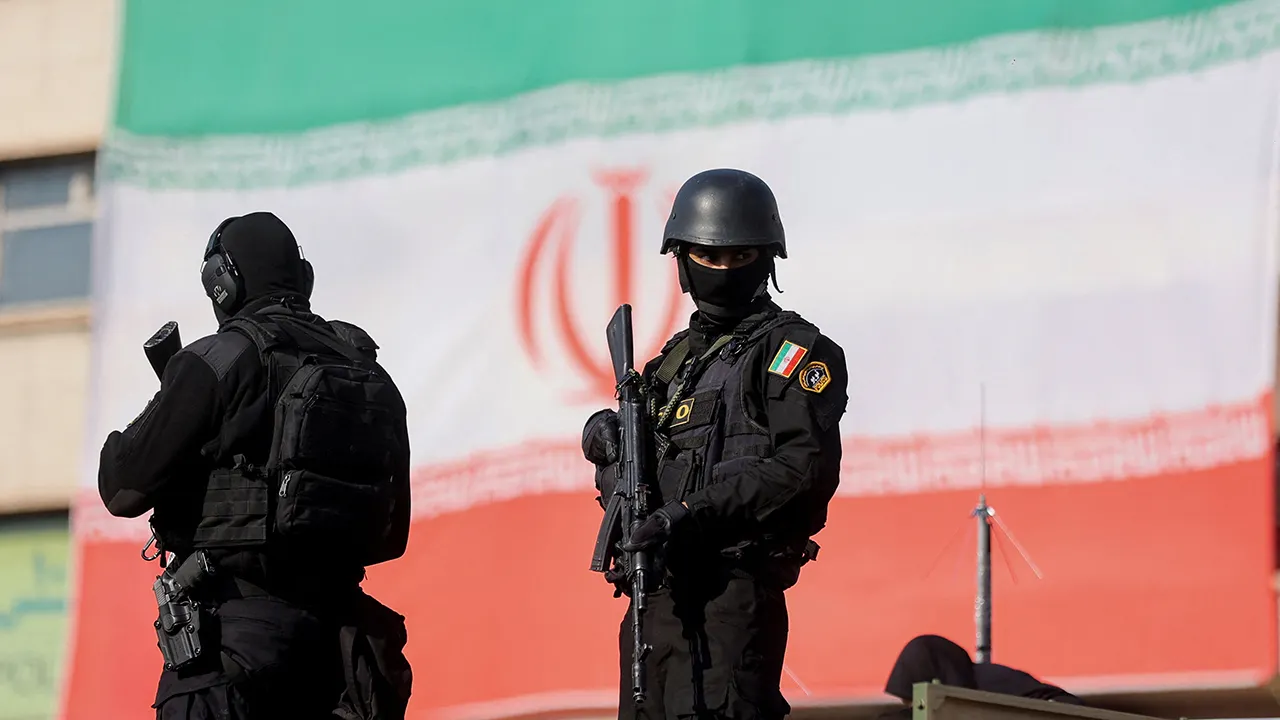
The Iranian government’s response to the protests reveals much about the regime’s priorities and tactics. The state television announcement that officials will hold a funeral ceremony for “martyrs and security defenders” who have died during the protests represents an attempt to control the narrative, painting security forces as defenders of order rather than agents of repression. This carefully crafted messaging is consistent with the regime’s longstanding approach to dissent, which typically involves delegitimizing protesters by portraying them as foreign-backed agitators or terrorists. However, this time, the scale and persistence of the demonstrations suggest that such tactics may be losing effectiveness among a population increasingly frustrated with economic hardship, political repression, and lack of social freedoms. The regime’s crackdown has reportedly intensified in recent weeks, with security forces employing what human rights observers describe as excessive force against largely unarmed protesters.
What makes these protests particularly significant is their origins and breadth. Unlike previous waves of unrest that might have begun with specific political demands, this movement emerged from economic grievances that affect everyday Iranians across social classes. The collapse of the rial has devastated household purchasing power, while inflation has made basic necessities unaffordable for many citizens. When these economic hardships reached a breaking point, what began as protests by merchants quickly resonated with university students, workers, professionals, and citizens throughout the country’s urban and provincial regions. This broad-based character of the protests poses a unique challenge to the regime, which cannot easily dismiss the demonstrations as the work of a small, radicalized minority. Instead, the movement appears to represent widespread dissatisfaction with the status quo among ordinary Iranians who simply seek economic stability and basic freedoms.
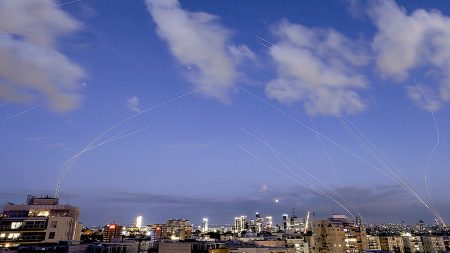
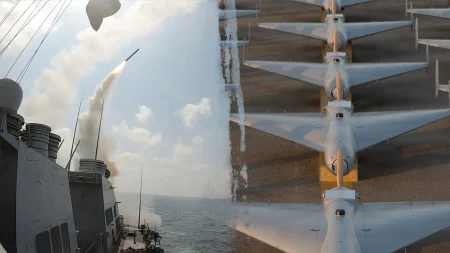
The international dimensions of this crisis continue to evolve daily. The United States has opened a new air defense operations cell at a Qatar base that Iran reportedly targeted in a retaliatory attack, signaling heightened military readiness in the region. This development, coupled with Trump’s statements about canceling meetings with Iranian officials, suggests that diplomatic avenues for de-escalation may be narrowing. Meanwhile, reports of Iran’s “distinctive” drone deployment against protesters indicate an alarming escalation in the regime’s tactics, contributing to the rising death toll. The situation has created a complex foreign policy challenge for Western nations, which must balance their advocacy for human rights and democratic values with strategic considerations regarding Iran’s nuclear program and regional influence. This balancing act is made more difficult by the Iranian regime’s tendency to blame foreign interference for domestic unrest, which serves to justify harsher crackdowns while deflecting from legitimate grievances.
As the situation continues to unfold, the human dimension of this crisis cannot be overlooked. Behind the statistics and political maneuvering are thousands of individual stories—students hoping for a better future, parents struggling to feed their families, young professionals seeking opportunities in an increasingly constrained economy, and countless citizens yearning for basic freedoms that many around the world take for granted. The courage demonstrated by these protesters, who continue to take to the streets despite knowing the potentially deadly consequences, speaks to the depth of their convictions and desperation. Whether this movement will ultimately lead to meaningful change remains uncertain. What is clear, however, is that it represents a significant challenge to the Islamic Republic’s authority and its ability to maintain control without addressing the fundamental concerns of its citizens. As international pressure mounts and internal dissent continues, the regime faces difficult choices that will shape not only Iran’s future but potentially the broader geopolitical landscape of the Middle East.