





Tension is escalating in the Middle East as Iran digs in its heels against what it perceives as American designs to dismantle its nuclear ambitions and break its grip on the vital Strait of Hormuz. This chokepoint, a narrow waterway through which a massive portion of the world’s oil flows, has become a flashpoint in the ongoing standoff between Washington and Tehran. Iranian leaders are bristling at reports that the U.S. might be gearing up to send ground troops into the fray, potentially targeting key sites to cripple Iran’s nuclear program and ensure safe passage for oil tankers. The atmosphere feels charged, like a powder keg ready to ignite, with each side accusing the other of aggression. It’s not just about territorial control; it’s about national pride and economic survival.
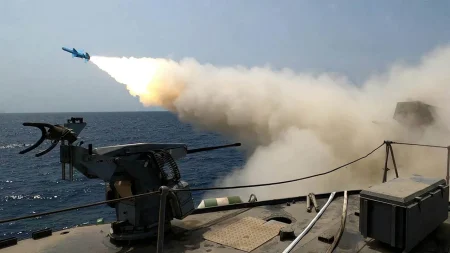
On Sunday, Iran’s parliament speaker, Mohammad Baqer Qalibaf, made headlines with fiery remarks that captured the country’s defiant spirit. “As long as the Americans seek Iran’s surrender, our response is that we will never accept humiliation,” he declared, his voice echoing through state media. He painted a vivid picture of readiness, saying Iranian forces “are waiting for the arrival of American troops on the ground to set them on fire and punish their regional partners forever.” The rhetoric was laced with determination, emphasizing that their missile arsenals were primed and their faith unwavering. Qalibaf’s words weren’t just empty threats; they represented the underlying sentiment of a nation that’s been under intense pressure, feeling cornered by international scrutiny. It’s as if he’s rallying the people, reminding them that surrender isn’t an option in the face of such perceived bullying.
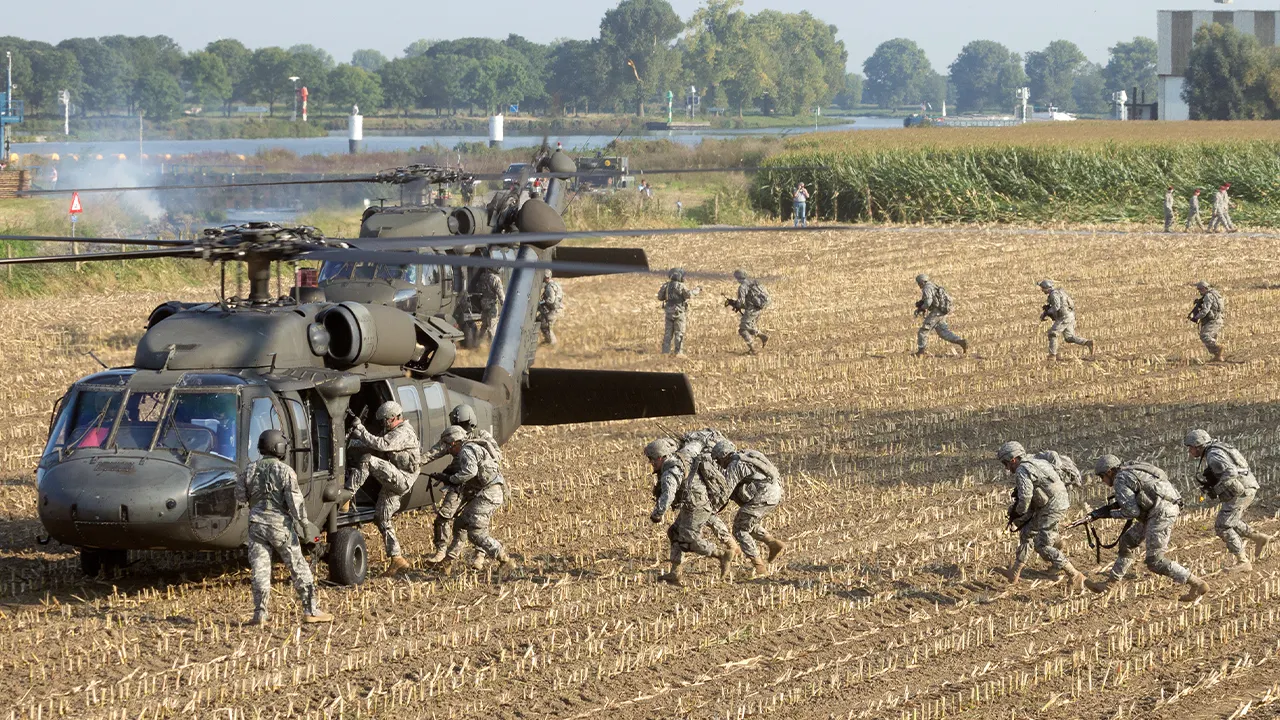
This outburst from Qalibaf came hot on the heels of a Washington Post report detailing potential U.S. military moves. According to the article, the Trump administration, in tandem with the Department of Defense, is mulling over options for deploying ground forces in Iran. These aren’t fantasies of full-blown invasions but rather targeted raids, possibly lasting weeks, involving Special Operations and conventional troops. Key targets include strategic spots like Kharg Island, a crucial hub for Iran’s oil exports, and coastal areas bristling with weapons near the Strait of Hormuz. The idea is to strike decisively, perhaps to dismantle remnants of the nuclear program or shut down threats to shipping lanes. It’s a high-stakes game of chess, where one wrong move could spiral into chaos.
Pentagon officials, when pressed, emphasized that these are just preparations to give President Trump flexibility. White House press secretary Karoline Leavitt stated plainly, “It’s the job of the Pentagon to make preparations in order to give the commander in chief maximum optionality. It does not mean the president has made a decision.” Even so, there’s buzz about considering thousands of additional troops in the region and seizing Kharg Island. Secretary of State Marco Rubio has downplayed the need for ground ops, insisting objectives can be met without them, yet he acknowledges the value in having all avenues open. Analysts warn that entering Iran, even briefly, carries immense risks—counterattacks could bog down forces and prolong the conflict. Military experts see it as politically divisive, with potential to inflame domestic and international opinions.
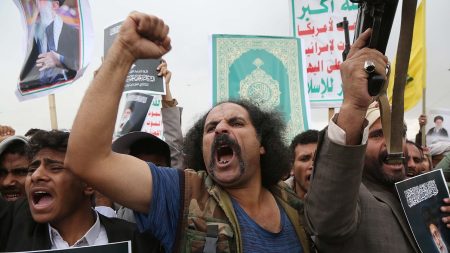
Amid this backdrop, Washington has already ramped up its presence, dispatching thousands of U.S. Marines to the Middle East. The first contingent landed on Friday via an amphibious assault ship, signaling a show of force that’s hard to ignore. Diplomatic efforts haven’t been sidelined either; last week, the U.S. proposed a 15-point ceasefire plan to Iran, aimed at reopening the Strait and curtailing the nuclear program. Tehran, however, shot it down, countering with its own ideas. The Strait remains effectively blocked, raising alarms about shipping routes around the Arabian Peninsula and the Red Sea, especially with Yemen’s Houthis joining the chaos. It’s a tangled web of threats, where every side maneuvers for advantage.
Adding to the uncertainty, U.S. troops are bracing for guerrilla-style attacks, as warned by military analysts. President Trump has vowed to target Iranian power stations and energy infrastructure if the Strait isn’t opened, though he’s recently extended a deadline by 10 days. Iranian threats have scared off most tanker traffic, turning the waterway into a no-go zone. Yet, Iran has agreed to allow an additional 20 Pakistani-flagged vessels through, permitting two ships daily. This selective access feels like a small olive branch in a storm of hostility. Rumors swirl about retired generals pushing for operations to seize islands and sever Iran’s “economic lifeline,” highlighting a chorus of voices urging bold action. Ultimately, this crisis is about more than oil or nukes—it’s a human drama of fear, resolve, and the unpredictable dance of superpower rivalry.