


Iran’s Internet Blackout Intensifies as Protests Reach Critical Stage
Iran has descended into digital darkness as the regime imposed a nationwide internet blackout, severely restricting communication across the country. This dramatic measure came as anti-government protests entered their second week, with the death toll rising to at least 44 according to reports from the National Council of Resistance of Iran (NCRI). The blackout began Thursday afternoon local time, with network data from NetBlocks showing internet traffic collapsing shortly after calls circulated for mass protests scheduled for 8 p.m. that evening. The communications shutdown extended beyond internet services, with telephone lines reportedly cut in parts of Iran as well. This digital clampdown represents a significant escalation in the regime’s attempts to control information flow and suppress the growing nationwide uprising.
The protests, initially sparked by economic grievances including Iran’s collapsing currency and soaring inflation, have rapidly evolved into a broader movement demanding the overthrow of the Islamic Republic itself. As demonstrations spread across the country, confrontations between protesters and security forces have intensified, particularly in western Iran. In Lordegan, located in Chaharmahal and Bakhtiari province, security forces reportedly killed eight protesters in a single day, while the violence also claimed the lives of a regime colonel and two Basij militia members. The NCRI has been documenting casualties, identifying 13 additional victims on Thursday alone, including a woman and two teenagers from Lordegan, describing them as “martyrs” of the uprising. According to their reports, these individuals were killed by Revolutionary Guard forces using live ammunition against demonstrators.
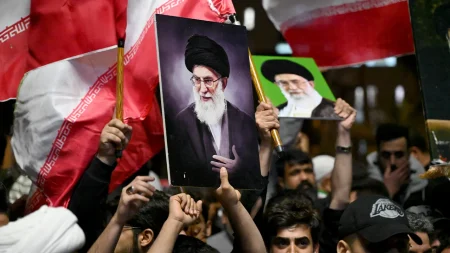
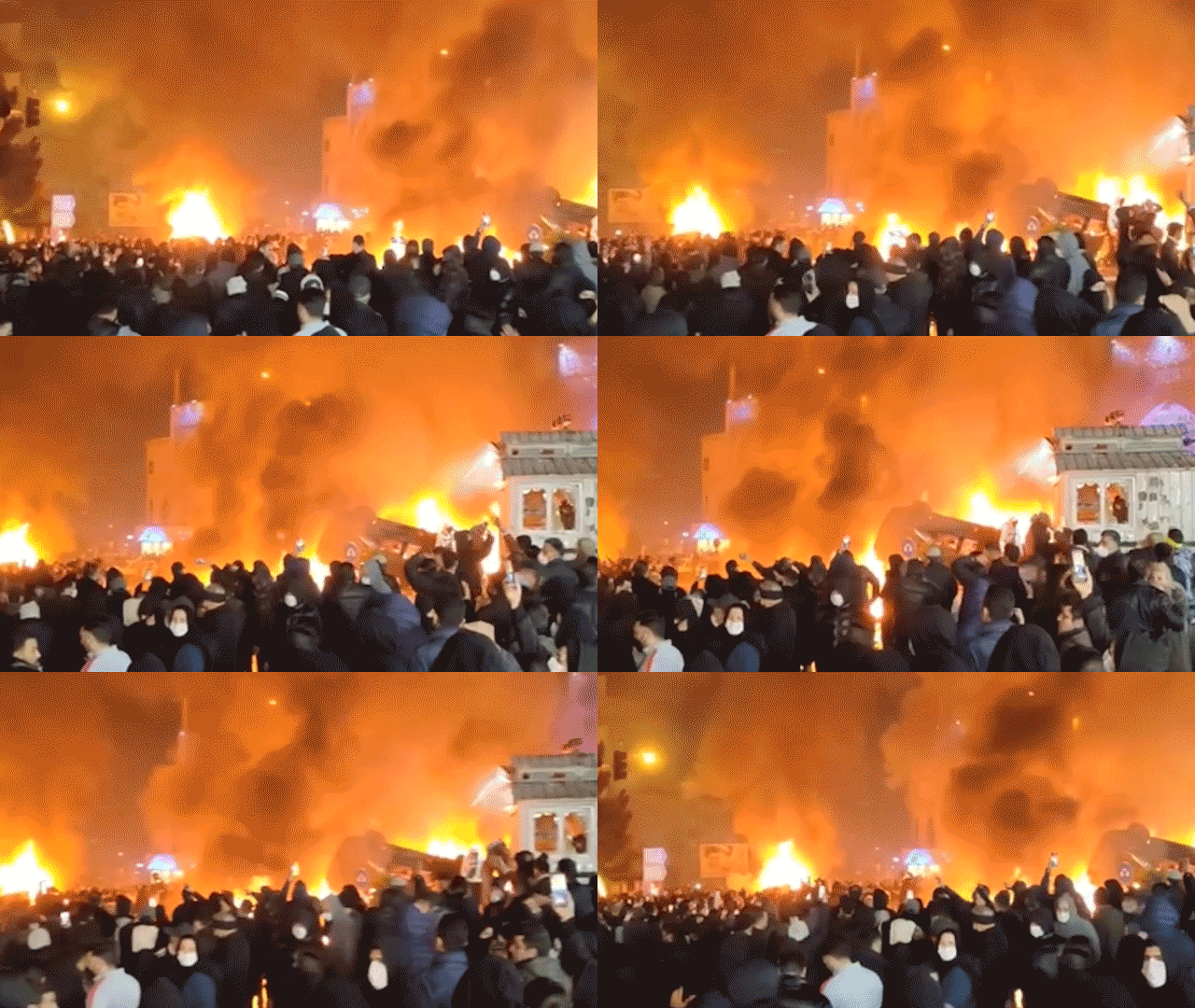
The scale of the demonstrations appears unprecedented, with Ali Safavi of the NCRI describing how “millions of Iranians from north to south and east to west have been out in the streets until nighttime.” The protests have grown increasingly bold, with demonstrators targeting symbols of state authority across the country. In Isfahan, Iran’s third-largest city with approximately 2.3 million residents, protesters reportedly set fire to state radio and television stations. Similar scenes played out in Lumar in Ilam province, where government buildings were torched. In Mashhad, buses were set ablaze, while footage circulating online showed protesters ripping an Iranian flag in half amid anti-leadership chants. The capital city Tehran has not been spared, with demonstrators overturning a police car in the affluent Kaj Square area near the Alborz Mountains, as crowds shouted “Death to the oppressor!”
The international community has been watching these developments closely, with former U.S. President Donald Trump weighing in during an interview with Hugh Hewitt. Trump warned the Iranian regime that if they begin killing protesters, “they will be hit very hard.” When asked if he had a message for the Iranian people, Trump encouraged them to “feel strongly about freedom,” adding “there’s nothing like freedom. You’re brave people.” The U.S. State Department also restated Trump’s warning on its Persian social media accounts, translating his remarks into Farsi to reach Iranian audiences directly. These statements come as the protests entered their 12th day, with general strikes spreading across major commercial centers and street clashes intensifying throughout the country.
The internet blackout represents a familiar tactic from the Iranian regime’s playbook, having deployed similar measures during previous periods of unrest. However, the current shutdown appears particularly severe and widespread, suggesting authorities may be preparing for an even more forceful crackdown away from international scrutiny. NetBlocks characterized the outage as following “a series of escalating digital censorship measures targeting protests across the country.” The timing of the blackout coincided with violent confrontations in several regions, raising concerns about potential human rights abuses occurring without documentation or witnesses. Reza Pahlavi, the exiled son of Iran’s former monarch, highlighted the severity of the situation in a statement shared on social media: “Millions of Iranians demanded their freedom tonight. In response, the regime in Iran has cut all lines of communication. It has shut down the Internet. It has cut landlines. It may even attempt to jam satellite signals.”
As the uprising continues, the Iranian regime finds itself increasingly challenged by a populace seemingly willing to risk everything for fundamental change. The demonstrations have taken on an explicitly anti-regime character, with protesters targeting not just economic policies but the very foundations of the Islamic Republic. Young Iranians especially appear determined to pursue their demands despite the deadly consequences, with Safavi noting that “over the past 12 days, more young people have laid down their lives to free Iran.” With communication channels severely restricted and international observers largely unable to monitor events on the ground, concerns grow about how far authorities may go to suppress the movement. The coming days will likely prove decisive in determining whether the protests can sustain momentum in the face of increasingly harsh repression, or whether the regime can once again restore its control through force and isolation of the country from external view.