




Iran’s Chief Justice Calls for Swift Trials Amid Protests as International Concern Grows
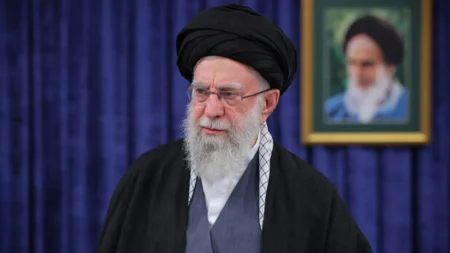
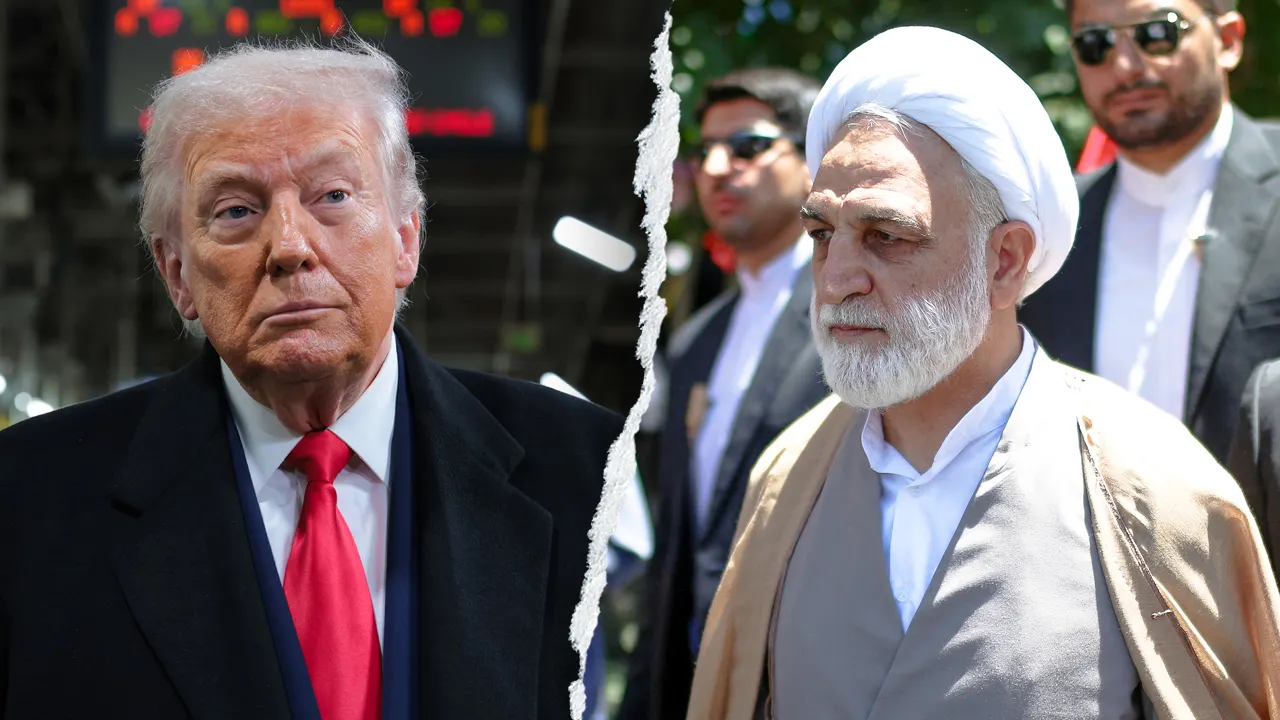
In a concerning development from Iran, Chief Justice Gholamhossein Mohseni-Ejei has urged for expedited trials and executions of those detained during the ongoing anti-government protests, according to a recent report. Speaking in a video broadcast on Iranian state television, Mohseni-Ejei emphasized the need for immediate action: “If we want to do a job, we should do it now. If we want to do something, we have to do it quickly.” He further explained that delayed justice—taking two or three months—would diminish the intended effect of these punishments. His statements come at a critical moment when the human cost of the protests is already staggering, with death toll estimates varying dramatically but pointing to a humanitarian crisis. The U.S.-based Human Rights Activists News Agency has documented at least 2,571 deaths, while other reports suggest the number exceeds 3,000, with many observers believing the actual figure to be substantially higher. The Iranian government’s crackdown has drawn intense scrutiny from the international community, particularly from the United States, where President Donald Trump has issued stark warnings against executions of protesters.
President Trump’s response to the situation has been unequivocal. In a CBS News interview aired Tuesday, he cautioned Iran that “we will take very strong action” if the regime proceeds with executions. Trump distinguished between allowing protests—which he suggested was acceptable—and the mass killing of demonstrators, which he characterized as crossing a critical line. “We don’t want to see what’s happening in Iran happen,” Trump stated, adding that executing protesters “is not going to work out good” for the Iranian regime. The president has positioned himself as a defender of the Iranian protesters, urging them to continue their resistance and “take over your institutions” in a message posted to his Truth Social platform. He also promised that those responsible for killing demonstrators would ultimately “pay a big price” for their actions, indicating potential consequences from the United States.
The escalating tensions have already had diplomatic repercussions, with Trump announcing the cancellation of all meetings with Iranian officials “until the senseless killing of protesters STOPS.” This represents a significant shift in engagement strategy and signals the administration’s willingness to apply pressure through diplomatic isolation. The president’s assertion that “HELP IS ON THE WAY” for Iranian protesters, while vague, suggests some form of American support for the movement challenging the Iranian regime. This evolving situation has also reportedly affected U.S. military positioning in the region, with some personnel being directed to leave Middle East bases, according to a U.S. official, though specific details about these movements remain limited in public reporting.
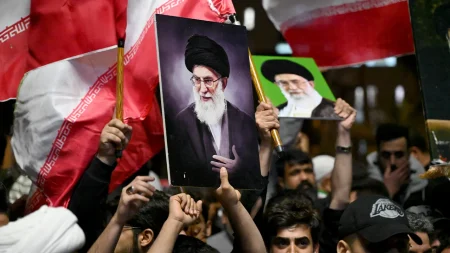
The current protests in Iran represent one of the most significant challenges to the Islamic Republic’s authority in recent years. Demonstrators have risked their lives to voice opposition to the government’s policies, facing brutal repression that has included mass arrests, violence, and now the threat of expedited trials potentially leading to executions. The Iranian regime’s response highlights its determination to quash dissent through increasingly harsh measures, raising serious human rights concerns. The reported targeting of Starlink users—a satellite internet service that has helped protesters share footage of the demonstrations and government crackdowns—further illustrates the regime’s comprehensive efforts to control information flow and isolate protesters from international support and attention.
The international community faces difficult questions about how to effectively respond to this crisis. While strong condemnations have been issued, the practical impact of such statements remains uncertain without accompanying actions. Trump’s warnings about “very strong action” leave open questions about what specific measures the United States might take if Iran proceeds with executing protesters. The situation creates a complex diplomatic and humanitarian challenge: how to support Iranian citizens’ right to protest while avoiding actions that might escalate regional tensions or inadvertently strengthen the regime’s narrative about foreign interference. The cancellation of meetings with Iranian officials represents one concrete step, but whether this will influence the regime’s behavior toward protesters remains to be seen.
As the situation continues to unfold, the world watches with concern for both the immediate safety of Iranian protesters and the longer-term implications for Iran’s political future. The courage of those continuing to demonstrate despite the severe risks they face has drawn international admiration and support. However, the Iranian government’s apparent willingness to use lethal force and judicial executions presents a grim outlook for those detained. President Trump’s promise that “help is on the way” creates expectations of American intervention in some form, though the nature and extent of such assistance remain undefined. What is clear is that the Iranian protests have become a significant focus of international attention, with potential ramifications for regional stability, human rights advocacy, and U.S.-Iran relations that will likely extend far beyond the immediate crisis.