

Iran’s Nationwide Protests: Economic Crisis Fuels Growing Public Outrage
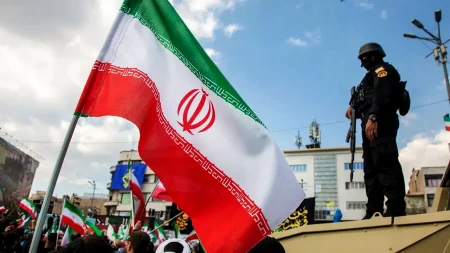
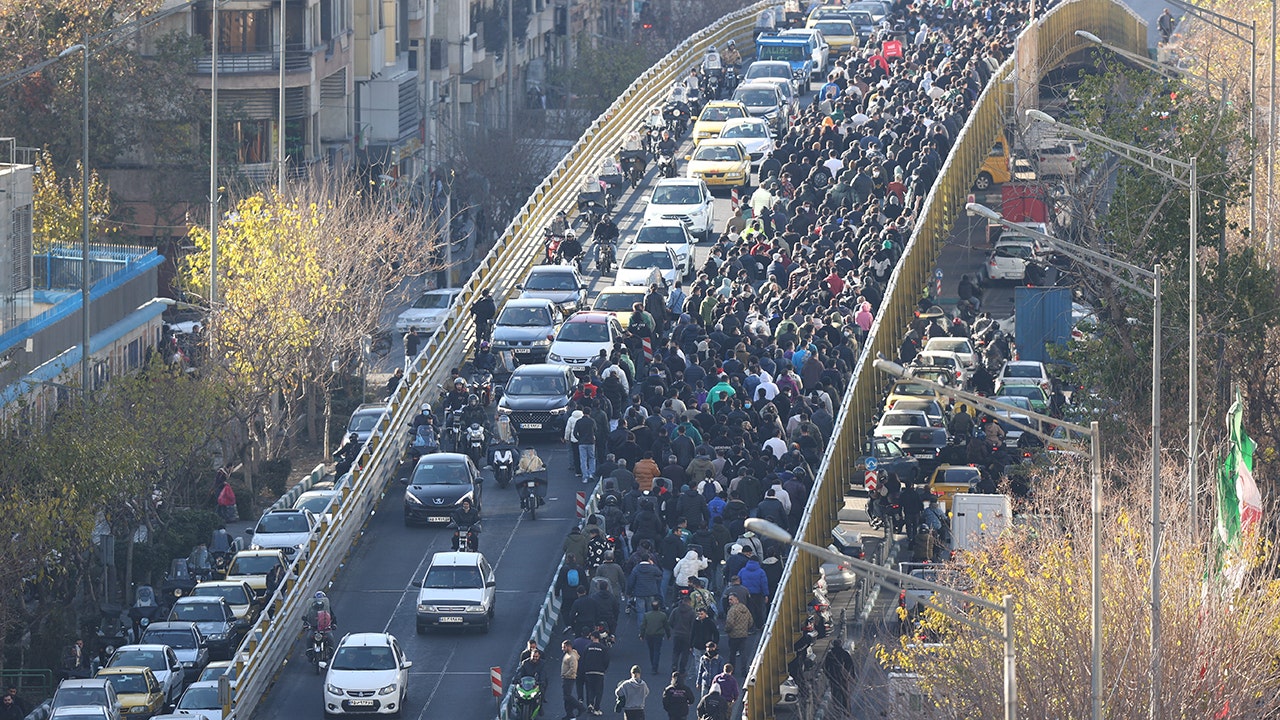
For the fifth consecutive day, Iran has been gripped by widespread protests that began with merchants demonstrating against economic hardships and quickly evolved into broader anti-government demonstrations across the country. What started as localized protests in Tehran’s bazaars has now spread to multiple cities, drawing in students and citizens from various walks of life, all united by their frustration with Iran’s deteriorating economic conditions and political leadership.
The protests, which began on Sunday, were initially triggered by merchants and shopkeepers who took to the streets to voice their anger over skyrocketing inflation, high unemployment rates, and the dramatic devaluation of Iran’s currency. These economic grievances have long simmered beneath the surface of Iranian society, but the recent sharp decline in living standards has pushed many citizens to their breaking point. Unlike the 2022 protests that followed Mahsa Amini’s death and centered primarily on women’s rights and social freedoms, these demonstrations are fundamentally rooted in economic desperation. However, as tensions have escalated, protesters have increasingly directed their criticism toward the political establishment, calling for systemic change in numerous cities across the country.
The situation has grown increasingly volatile, with reports of violence and casualties emerging from several provinces. In Lordegan, located in Chaharmahal and Bakhtiari province, intense clashes occurred overnight, with protesters allegedly throwing stones at government buildings, including the governor’s office, judiciary facilities, and banks. According to Fars News Agency, which is affiliated with the Revolutionary Guards, police responded with tear gas, and multiple buildings sustained significant damage. Reports about casualties remain conflicted – while Kurdish rights group Hengaw claims protesters were killed by security forces, Iranian authorities attribute at least one death to demonstrators, stating that a member of the Basij volunteer paramilitary force was killed and 13 others wounded during the confrontations. Similar clashes have been reported in other cities, including Marvdasht, Kermanshah, Delfan, and Arak, highlighting the nationwide scope of the unrest.
The Iranian government has responded to the growing demonstrations with a combination of force, communication restrictions, and attempts at dialogue. Authorities declared a nationwide shutdown on Wednesday, officially attributing it to extreme cold weather, though many observers view this as an attempt to limit public gatherings. The government has also offered to hold talks with representatives of merchants and trade unions to address what it described as “legitimate demands.” Meanwhile, human rights organizations report that detentions continue, with six women protesters in Tehran reportedly transferred to the women’s ward of Evin prison. The escalating situation has drawn international attention, with former U.S. President Donald Trump and other officials expressing support for the demonstrators, though stopping short of explicitly calling for regime change.
Prominent opposition figures have seized on the protests as evidence of the regime’s vulnerability. Maryam Rajavi, President-elect of the National Council of Resistance of Iran, described the demonstrations as an “uprising” that “signals the Iranian people’s determination to be free from religious tyranny,” declaring that “this wretched regime is doomed to be overthrown.” Similarly, exiled Crown Prince Reza Pahlavi, son of the late Shah, characterized the current Iranian government as being “at its most fragile: weak, deeply divided, and unable to suppress the courage of a rising nation.” These statements reflect growing confidence among opposition groups that the ongoing unrest could potentially trigger significant political change in Iran, though previous protest movements have faced brutal crackdowns and ultimately failed to dislodge the ruling establishment.
The economic crisis fueling these protests stems from a complex set of factors, including years of international sanctions, government mismanagement, corruption, and regional tensions. The Iranian currency has plummeted in value, making essential goods increasingly unaffordable for ordinary citizens. Inflation has soared, unemployment remains persistently high, and many Iranians struggle to meet their basic needs. While previous waves of unrest have periodically challenged the Islamic Republic over the past decade, the current demonstrations are notable for their economic foundation and their rapid spread across different regions and social classes. As protesters continue to brave the risks of public dissent, the question remains whether this movement will gain enough momentum to force meaningful concessions from authorities or whether it will eventually subside like previous uprisings, leaving Iran’s fundamental power structures intact but its population increasingly disillusioned.