




Iran’s Revolutionary Moment: Will the Islamic Republic Fall?
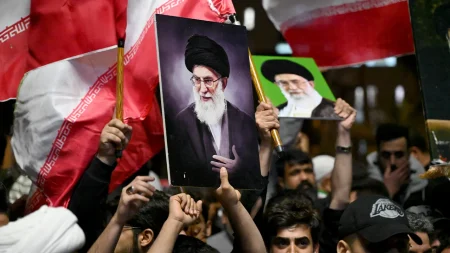
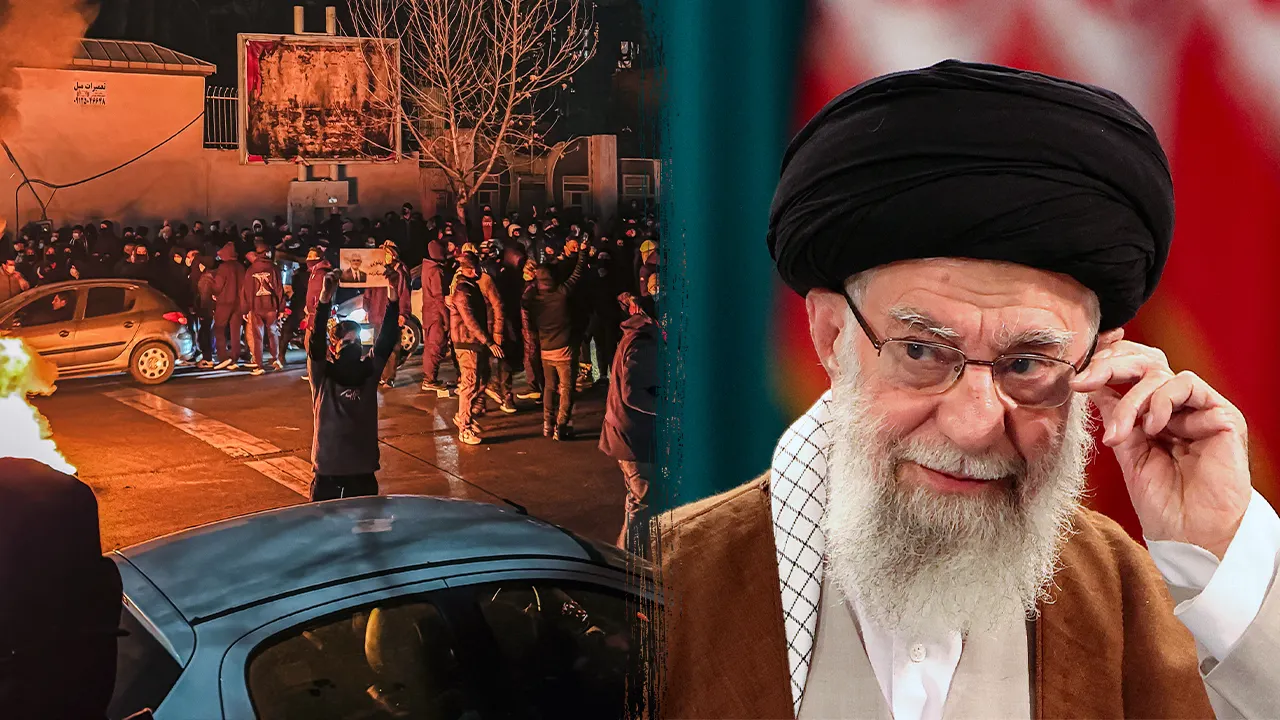
In the face of widespread protests across Iran, a fundamental question emerges: Is the Islamic Republic facing an existential threat, or does it retain enough power to weather this storm? For Mehdi Ghadimi, an Iranian journalist who participated in demonstrations from 1999 until his forced exile in 2024, this moment represents something unprecedented. Having initially supported reformist movements, Ghadimi and many Iranians eventually concluded that the regime cannot be reformed. “For the first time in the 47 years of struggle by the Iranian people against the Islamic Republic, the idea of returning to the period before January 1979 became the sole demand and the central point of unity among the people,” he explains. This unity has manifested in protests of unparalleled scale, with participation from cities and villages throughout the country. The nature of these demonstrations differs markedly from previous unrest—protesters aren’t simply calling for economic relief or relaxed dress codes, but openly demanding the fall of the Islamic Republic and the return of the Pahlavi dynasty. As Ghadimi poignantly observes, “At that point, it no longer seemed that we were merely protesting. We were, in fact, carrying out a revolution.”
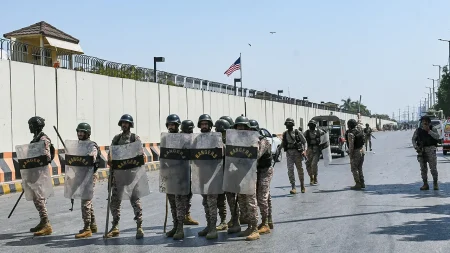
Despite this revolutionary momentum, the regime has responded with brutal force. When asked what prevents the government’s collapse, Ghadimi’s answer is chilling: “The government sets no limit for itself when it comes to killing its own people.” This ruthlessness is bolstered by what he describes as international complacency—a sense that even if the regime survives this bloody crackdown, “the doors of diplomacy will always remain open to them, even if their hands are stained with blood.” The authorities have employed additional tactics beyond violence, such as cutting internet access to prevent coordination between protesters and opposition leaders abroad. This digital blackout has severely limited the reach of messages from exiled figures like Prince Reza Pahlavi, weakening the protesters’ organizational capacity and isolating them from international support. These tactics have created an information vacuum where protesters don’t even know “the fate of our friends and loved ones who went into the streets, or whether they were alive or not,” making it difficult to assess the revolution’s trajectory.
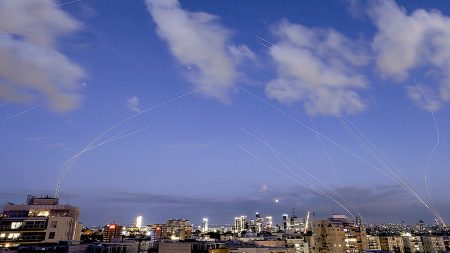
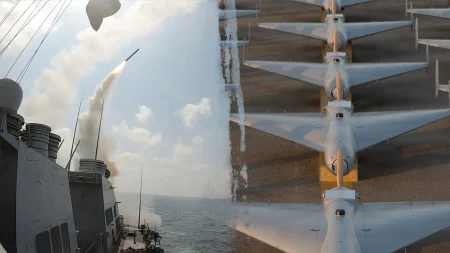
Security experts like Javed Ali, an associate professor at the Gerald R. Ford School of Public Policy, acknowledge that the Islamic Republic faces unprecedented challenges from multiple directions. The Islamic Revolutionary Guard Corps (IRGC) has been significantly weakened following its recent conflict with Israel, suffering leadership losses and degraded military capabilities. Iran’s regional influence has also diminished, with setbacks to its allied groups like Hamas, Hezbollah, the Houthis, and various Shiite militias. These external pressures compound internal problems, as Iran’s young population grows increasingly frustrated with deteriorating economic conditions and ongoing social restrictions. Demographically, the country faces a perfect storm of youth disillusionment and economic hardship that fuels the current unrest.
The international landscape offers little comfort to the regime. Ali points to Iran’s growing diplomatic isolation, strained relationships with Gulf states, the fall of its ally Assad in Syria, and only tepid support from China and Russia. Some analysts speculate about possible external operations supporting the protest movement, though Israeli security sources deny direct involvement, stating, “Everyone understands it is better to sit and wait quietly and not attract the fire toward Israel.” These sources recognize that the regime would benefit from redirecting internal anger toward external enemies, and they’re careful not to provide that opportunity. As one Israeli official noted, “If the regime falls, it will affect the entire Middle East. It could open a new era.” This suggests that regional powers are watching closely, aware that Iran’s internal struggle has profound implications beyond its borders.
Despite these mounting pressures, experts caution that Iran’s coercive institutions remain largely loyal to the regime. Ali assesses that the IRGC, including Basiji paramilitary forces, and the Ministry of Intelligence continue to support the government out of a combination of “ideology, religion, and self-interest,” including “power, money and influence.” Whether fear of collapse might drive insiders to defect remains uncertain. Ali places the probability of an internal regime collapse at “25% or less,” calling it “possible, but far less probable.” This assessment reflects a sobering reality: pressure alone doesn’t topple regimes. The decisive moment comes only when those ordered to enforce repression refuse to do so, and there’s little evidence of such fracturing within Iran’s security apparatus.
The situation in Iran thus represents a tragic standoff—a population increasingly unified in rejecting the Islamic Republic confronts a security apparatus still willing to use overwhelming force to preserve it. Ghadimi captures this tension in his assessment, expressing both hope and doubt about the revolution’s prospects. Before leaving Iran, he heard a consistent message across cities and social classes: “We have nothing left to lose, and even at the cost of our lives, we will not retreat one step from our demand for the fall of the Islamic Republic.” This determination gives him hope, but reality tempers his optimism. “My mind tells me that when mass killing carries no punishment, and when the government possesses enough bullets, guns and determination to suppress it, even if it means killing millions, then victory would require a miracle.” This painful contradiction—between the revolutionary spirit of the Iranian people and the brutal capacity of the state—leaves the country’s future hanging in the balance, with millions of lives at stake and the potential for regional transformation should the unthinkable occur: the fall of the Islamic Republic.