





Iran’s Economic Relief Amidst Growing Protests
In a move aimed at addressing mounting economic pressures, the Iranian government has announced a new monthly payment program for its citizens. Government spokesperson Fatemeh Mohajerani revealed on Iranian State TV that eligible Iranians will receive credits equivalent to approximately $7 per month. This initiative represents a significant policy shift, redirecting approximately $10 billion that had previously been used for import subsidies directly to the Iranian people. The government claims this measure is designed to preserve household purchasing power, control inflation, and ensure food security during a time of significant economic hardship. According to Labor Ministry officials, the program will reach around 80 million people—the vast majority of Iran’s population—providing them with one million Iranian tomans in the form of credit for purchasing goods.
This economic relief comes against a backdrop of severe financial challenges that have plagued the country for years. Iran’s economy has been devastated by international sanctions and declining oil revenues, creating hardships that have fueled widespread discontent. The nation’s currency has lost more than half its value against the U.S. dollar, making imports increasingly expensive and eroding citizens’ purchasing power. Adding to these troubles, Iran’s own Statistical Center reported in December that the average annual inflation rate had soared to 42.2%, making everyday necessities increasingly unaffordable for ordinary Iranians. These economic pressures have created a pressure cooker situation, with citizens struggling to meet basic needs while the government has seemingly been unable to implement effective policies to alleviate their suffering.
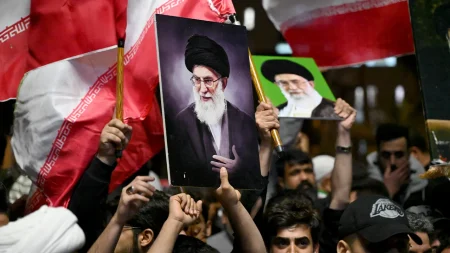
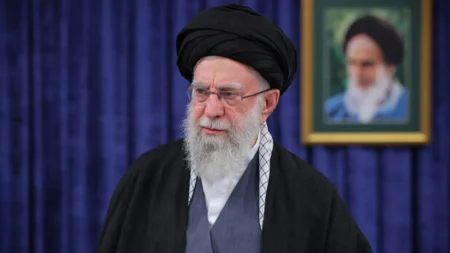
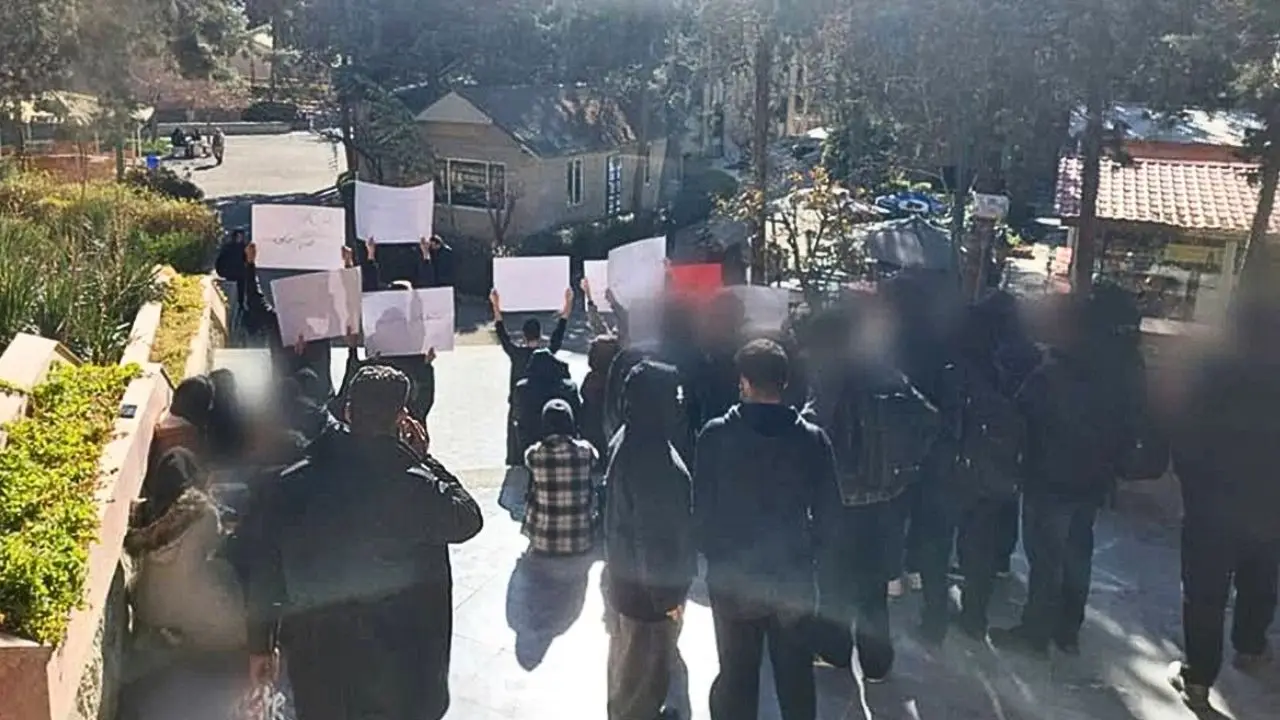
The timing of this announcement is particularly notable, as it comes amid a wave of protests sweeping across Iran. According to U.S.-based Human Rights Activists in Iran (HRAI), demonstrations have spread to at least 78 cities and 222 locations throughout the country. These protests feature diverse participants, including merchants, traders, and university students, all united in their expression of discontent with the current regime. The demonstrations have been marked by shuttered marketplaces and campus rallies, indicating the breadth of dissatisfaction across different sectors of Iranian society. Many protesters are calling for nothing less than the end of the regime controlled by 86-year-old Supreme Leader Ali Khamenei, suggesting that the $7 monthly payment may do little to address their more fundamental grievances about governance and freedom.
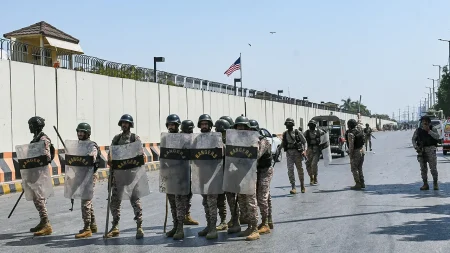
The government’s response to these protests has been characteristically harsh. Human rights organizations report that Iranian security forces have killed at least 20 people during the demonstrations, including three children. The crackdown has also resulted in the arrest of nearly 1,000 people, with at least 40 children among those detained. These actions reflect the regime’s longstanding approach to dissent, which prioritizes suppression over substantive reform or dialogue with protesters. Khamenei’s forces have consistently responded to challenges to their authority with violence and mass arrests, a strategy that appears to be continuing during the current unrest. This heavy-handed response raises questions about whether modest economic measures like the new payment program can succeed in quelling public anger when more fundamental issues of human rights and political freedom remain unaddressed.
The new payment program represents a significant shift in Iran’s economic policy, moving away from broad subsidies toward direct assistance. Previously, the government had spent billions annually subsidizing certain imports, particularly essential goods, in an effort to keep prices affordable. The transition to direct payments follows a model that has been implemented in various forms by other countries facing economic challenges. However, the relatively small amount—equivalent to only $7 per month—raises serious questions about whether this assistance will be sufficient to meaningfully improve living conditions for Iranians. With inflation above 40%, this modest sum may do little to offset rising costs for food, medicine, housing, and other necessities that have become increasingly unaffordable for many families.
The confluence of economic crisis and political unrest presents a profound challenge for Iran’s leadership. The regime finds itself caught between the need to address genuine economic hardships and its determination to maintain political control at all costs. While the new payment program acknowledges the reality of citizens’ economic struggles, it fails to address the deeper structural problems in Iran’s economy or respond to protesters’ calls for political change. As demonstrations continue to spread across the country, the government’s modest economic concession may prove too little, too late to restore stability. The growing protests suggest that many Iranians are no longer content with minor adjustments to the status quo but are instead demanding fundamental changes to a system they see as failing to meet their needs or respect their rights. Whether the regime can find a way to address these deeper concerns while maintaining its grip on power remains one of the central questions facing Iran today.