


Russia and Iran Deepen Ties as U.S. Seeks Diplomatic Solutions
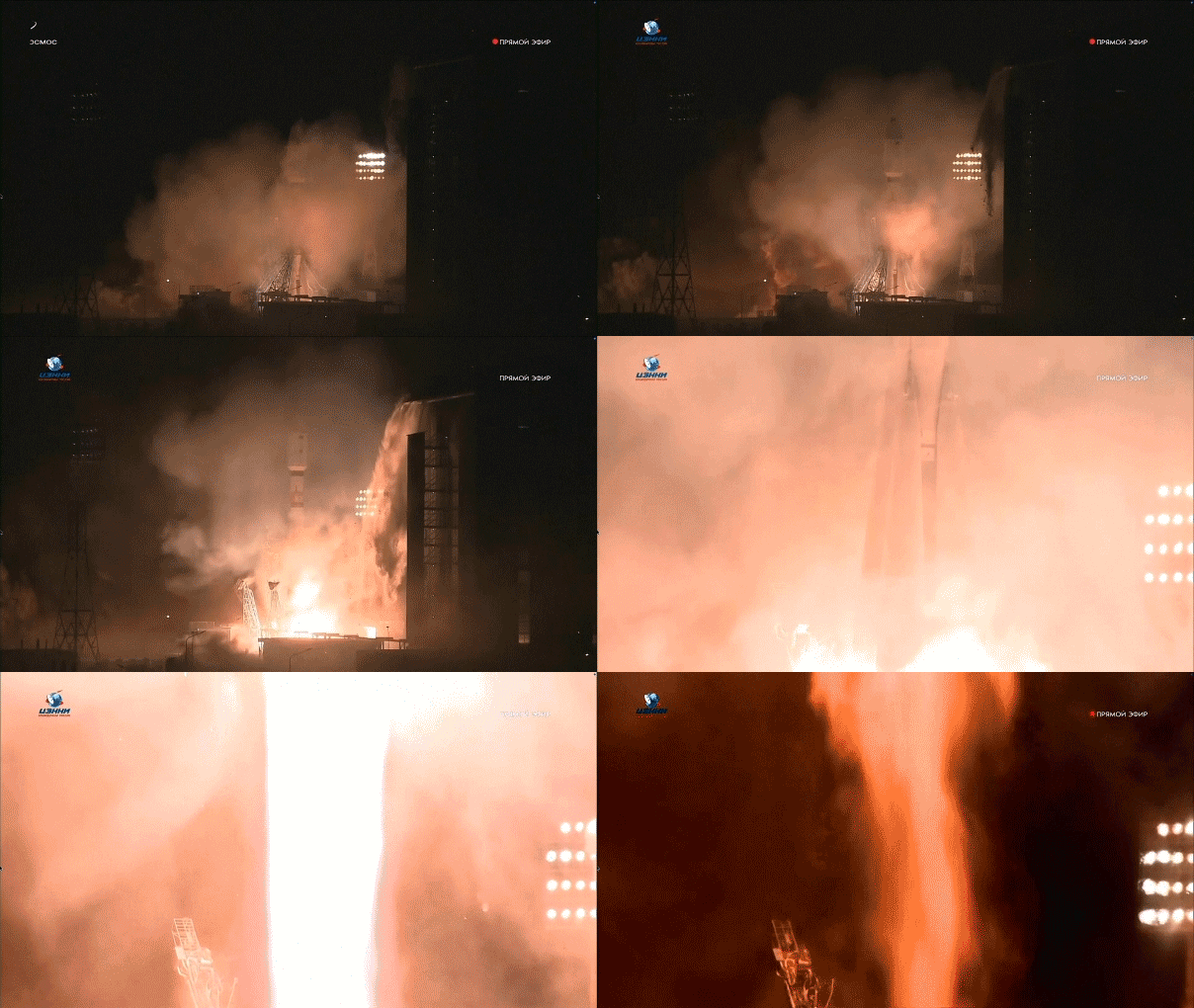
In a world where geopolitical alliances continue to shift, Russia and Iran are demonstrating a growing partnership that challenges Western diplomatic efforts. This week, as the United States pushes for negotiations to end the war in Ukraine, these two nations showcased their deepening cooperation through a significant space achievement: the successful launch of three Iranian-designed satellites into orbit aboard a Russian rocket. This collaboration, broadcast on Iran’s Arabic-language state television channel Al-Alam News Network, represents the seventh time Iran has conducted a satellite launch with Russian assistance, highlighting a relationship that has flourished despite international pressure. Iranian Ambassador to Russia Kazem Jalali proudly noted that the satellites were “designed and produced by Iranian scientists,” emphasizing that cooperation between Tehran and Moscow continues “despite all the sanctions and threats” – a clear message to Western powers about the limitations of their economic and diplomatic isolation strategies.
While Iranian officials maintain these satellites serve civilian purposes – environmental monitoring and agricultural applications – Western governments remain skeptical, warning that Iran’s space program could be developing technologies applicable to ballistic missile capabilities. This technological partnership is just one facet of a strategic relationship that has expanded dramatically since Russia’s 2022 invasion of Ukraine. In this mutually beneficial arrangement, Iran has provided Russia with military equipment including drones used on Ukrainian battlefields, while Russia has reciprocated with diplomatic support, economic cooperation, and technical assistance that helps both nations weather the storm of Western sanctions. Their collaboration represents a concerning development for U.S. foreign policy makers who have attempted to isolate both countries through coordinated international pressure campaigns.
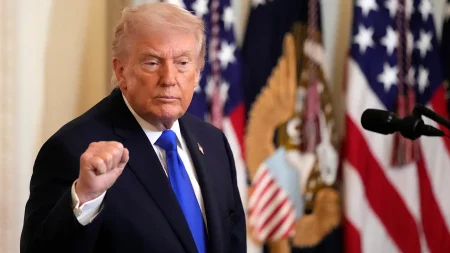
The strengthening Russia-Iran alliance unfolds against a backdrop of escalating tensions between Tehran and Washington. When former President Donald Trump recently issued warnings about potential U.S. strikes if Iran attempted to rebuild its nuclear program, Iranian President Masoud Pezeshkian responded forcefully, promising a “harsh and discouraging” response to any American attack. Iranian officials characterized this stance as purely defensive, meant to deter potential aggression rather than signal offensive intentions. Throughout these exchanges, Tehran has consistently maintained that its nuclear program serves peaceful purposes – a claim that the United States and its allies continue to view with deep skepticism based on intelligence assessments and Iran’s past nuclear activities.
This public exchange of warnings illustrates how Iran and Russia are strategically positioning themselves as partners united against what they characterize as Western hegemony and interference. For Russia, these partnerships with Iran and other sanctioned states serve as evidence that Western isolation efforts have failed to achieve their primary objectives. The Kremlin can point to these relationships when arguing that attempts to make Russia a pariah state have only pushed it toward alternative alliances and economic systems. Similarly, Iran leverages its cooperation with Russia to demonstrate technological resilience and diplomatic alternatives despite decades of sanctions, projecting an image of self-sufficiency and regional influence that resonates with its domestic audience and potential allies.
The satellite launch represents more than just a technical achievement – it symbolizes a broader geopolitical realignment taking shape across regions traditionally influenced by Western powers. As the United States attempts to pursue diplomatic solutions in Ukraine and potentially with Iran regarding nuclear concerns, it faces the challenge of addressing this growing counter-alliance. The collaboration between these sanctioned states creates a parallel system of technological exchange, military cooperation, and economic support that operates largely outside Western-dominated institutions. This development complicates U.S. diplomatic efforts, as leverage through sanctions becomes less effective when target nations can turn to each other for critical resources and support.
For American policymakers, this evolving landscape presents difficult questions about the effectiveness of current approaches. While the United States continues pushing for negotiations to end conflicts and address security concerns, Russia and Iran appear committed to demonstrating that they can withstand pressure and forge their own path forward. The satellite launch – a technological achievement conducted despite sanctions – serves as a powerful symbol of this alternative strategy. As tensions continue to simmer across multiple fronts, from Ukraine to the Middle East, the deepening cooperation between these two significant regional powers suggests that diplomatic solutions will need to account for these strengthened relationships rather than assuming isolation strategies will eventually force compliance with Western demands. The challenge for American diplomacy now lies in finding approaches that address legitimate security concerns while recognizing the reality of these evolving international partnerships.